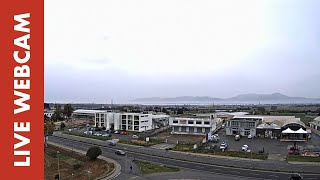






Trieste, Italy
 IT
IT- Trst
- Triest
- Tergeste
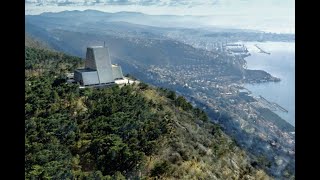
Trieste is a city and seaport located in northeast Italy, situated at the head of the Gulf of Trieste on a narrow strip of territory between the Adriatic Sea and Slovenia. It serves as the capital and largest city of the autonomous region of Friuli-Venezia Giulia, as well as the regional decentralization entity of Trieste. The city lies at the intersection of Latin, Slavic, and Germanic cultures, marking the point where Central Europe meets the Mediterranean Sea.
Originally an Illyrian settlement later named Tergeste by the Veneti, the town became part of the Roman Republic in 177 BC and a colony under Julius Caesar. It belonged to the Habsburg monarchy as Triest from 1382 until 1918, becoming the empire's most important seaport and fourth-largest city. Following World War II, it was a major site of struggle between Eastern and Western blocs before becoming part of Italy.
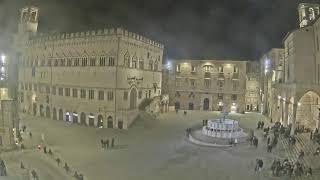
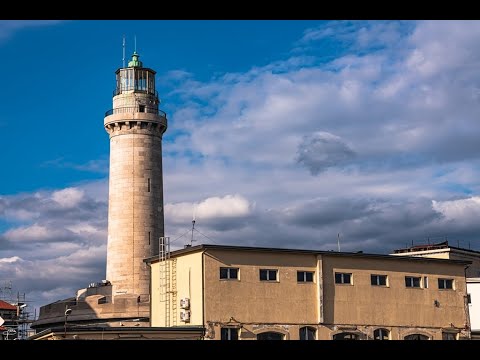
The urban landscape features a mix of Roman architecture, such as a theatre built by Trajan, and Austrian Empire structures similar to those in Vienna. The city is known for its deep-water port, which serves as a maritime gateway for northern Italy, Germany, Austria, and Central Europe. Epithets like "Vienna by the sea" and "City of Coffee" reflect its unique architectural and cultural blend.
Trieste emerged as an important hub for literature and music in the early 20th century and remains a scholarly area with the highest percentage of researchers per capita in Europe. It hosts diverse ethnic groups and religious communities, including significant Serbian and Slovene populations. The city attracts visitors with its stunning architecture, beautiful sea views, and quiet Eastern European atmosphere.
As of 2023, the population is 198,417, though sources note a figure of 198,668 in 2025. The economy benefits from its role as a free port historically and its current status as a prominent research location with many international organizations. Trieste-Friuli Venezia Giulia Airport is located 33 km north of the city centre, providing access via bus and rail connections.
 The EARF Engine