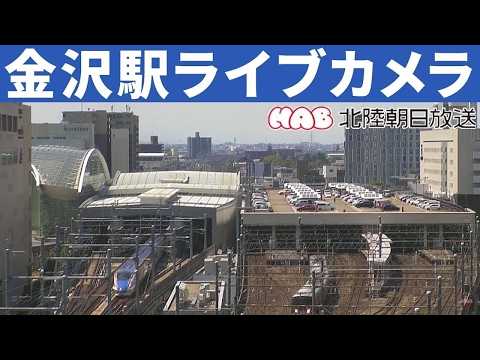


Kanazawa, Ishikawa, Japan
 JP
JP- 金沢市
- Kanazawa City
Kanazawa is the capital city of Ishikawa Prefecture in central Japan, situated within the Hokuriku region. It lies in north-western Ishikawa between the Sai and Asano rivers, bordered by the Sea of Japan to the west and Toyama Prefecture to the east. The eastern portion of the city is dominated by the Japanese Alps, while parts of its area fall within the borders of Hakusan National Park. As a core city with increased local autonomy since 1996, it serves as the seat of the Ishikawa Prefectural Assembly and forms the Ishikawa 1st District in the lower house of the Diet of Japan.
The city originated during the Muromachi period as a castle town around Kanazawa Gobo, a stronghold of the Ikkō-ikki theocratic republic. Following the Sengoku period, Maeda Toshiie founded Kaga Domain and ruled from Kanazawa Castle through the Edo period, significantly expanding the domain's holdings. The modern city was established on April 1, 1889, with borders gradually expanding through annexation to reach its current size. Its historical significance is recognized by its designation as part of the UNESCO Creative Cities Network as a City of Crafts and Folk Art.
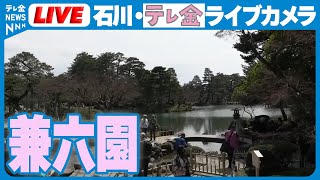
Kanazawa is renowned for preserving one of the best-preserved major Edo-period cities in Japan, featuring compact neighborhoods such as Higashi-Chayagai, the historic geisha district. The city's layout was carefully planned by the Maeda clan to meet strategic concerns, including extensive moats and canals that once supplied water to the castle. Notable sites include Kenrokuen, one of Japan's three great gardens, and Kanazawa Castle. The area retains distinct samurai, merchant, and artisan quarters that reflect its past as a major urban center.
The city flourished under the Maeda clan's patronage of arts and crafts, becoming the center of the Million-koku Culture. This legacy supports a vibrant tradition of gold leaf production, lacquer work, and other crafts for which the city is famous. Visitors are drawn to its well-preserved historic districts, traditional eateries, and craft shops concentrated around Omicho market. The city offers a deep dive into Japanese history beyond the typical Tokyo-Kyoto-Osaka trail, appealing to those interested in Edo-period architecture and cultural heritage.
As of 1 January 2018, Kanazawa had an estimated population of 466,029 people. The economy has historically been driven by its role as a castle town and center for artisanal production, continuing to attract tourism following the opening of the Hokuriku Shinkansen in 2015. The climate is characterized by heavy rainfall and cold winters, earning it the nickname the Seattle of Japan due to significant snowfall in the Snow Country region. Despite the weather, the city remains a popular destination for its cultural sites and accessible tourist information.
 The EARF Engine