Live stream unavailable
This camera is offline or temporarily unavailable. It may be under maintenance, having technical trouble, or it may have been removed by the provider. Listings are monitored continuously and this page updates when the stream returns.


Gwangalli Beach
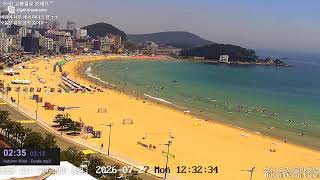
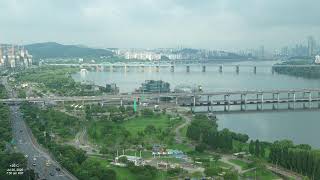
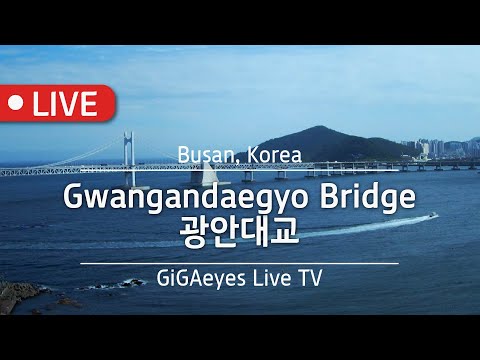
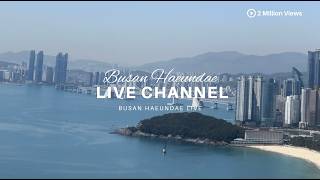
This live stream provides a wide panoramic view over Gwangalli Beach in Busan, showing the curve of the shoreline, the surrounding high-rise skyline and the full span of the Gwangandaegyo Bridge. The elevated vantage point captures movement across the bay, passing boats, changing coastal light and the city’s waterfront atmosphere throughout the day and night.
Busan, South Korea
 KR
KR- Busan Metropolitan City
- Pusan
Busan is the second most populous city in South Korea, officially designated as Busan Metropolitan City. Situated on the southeastern tip of the Korean Peninsula, it serves as the economic, cultural, and educational center of the region. The city borders low mountains to the north and west, while the Korea Strait lies to the south and east. Its strategic coastal location has historically determined its development as a major port city.
The area was inhabited during the Neolithic period, with artifacts indicating early fishing and agriculture. Around the first century, the chiefdom of Koch'ilsan-guk existed here before being absorbed by Silla. Busan became Korea's first international port in 1876 under the Treaty of Ganghwa. During the Japanese colonial period, it developed into a trading hub, and later served as a de facto capital during the Korean War.
The city is divided into fifteen administrative districts and one county, with densely built-up areas in valleys between the Nakdong and Suyeong Rivers. Notable landmarks include Haeundae Beach, Korea's largest beach, and the Shinsegae Centum City, the world's largest department store. The urban landscape features a mix of modern skyscrapers along the beaches and historic sites like the Dongnae Hot Springs and Beomeosa Temple.
Busan is renowned for its vibrant seafood markets, particularly Jagalchi, and its laid-back atmosphere compared to Seoul. It hosts significant events such as the Busan International Film Festival and the Asian Games. The city was added to the UNESCO Creative Cities Network as a City of Film in 2014. Its international flair attracts sailors and tourists seeking beaches, spas, and cultural festivals throughout the year.
As of 2018, the population was 3,453,198, with the metropolitan area housing approximately 8 million people. The economy is driven by Busan Port, the sixth-busiest container port in the world. Accessible via Gimhae International Airport and high-speed rail, the city experiences a humid subtropical climate. Summers are hot and humid with typhoon risks, while winters are mild with rare snowfall.
 The EARF Engine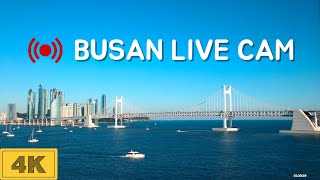

![Busan Haeundae Live [부산 해운대 라이브] thumbnail](https://yt3.ggpht.com/JoY2eLuWbI33ilXhXMtHPC31IwGewjCQK0sTM44Oa3uGZPZe04RDSyHva9NRKtUs_eO9mO_b5A=s800-c-k-c0x00ffffff-no-rj)