









Valdez
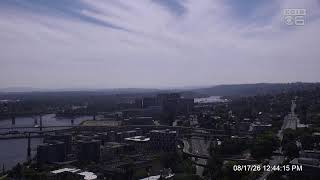
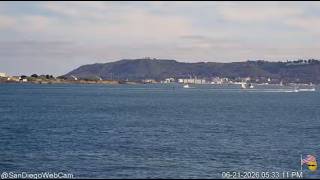
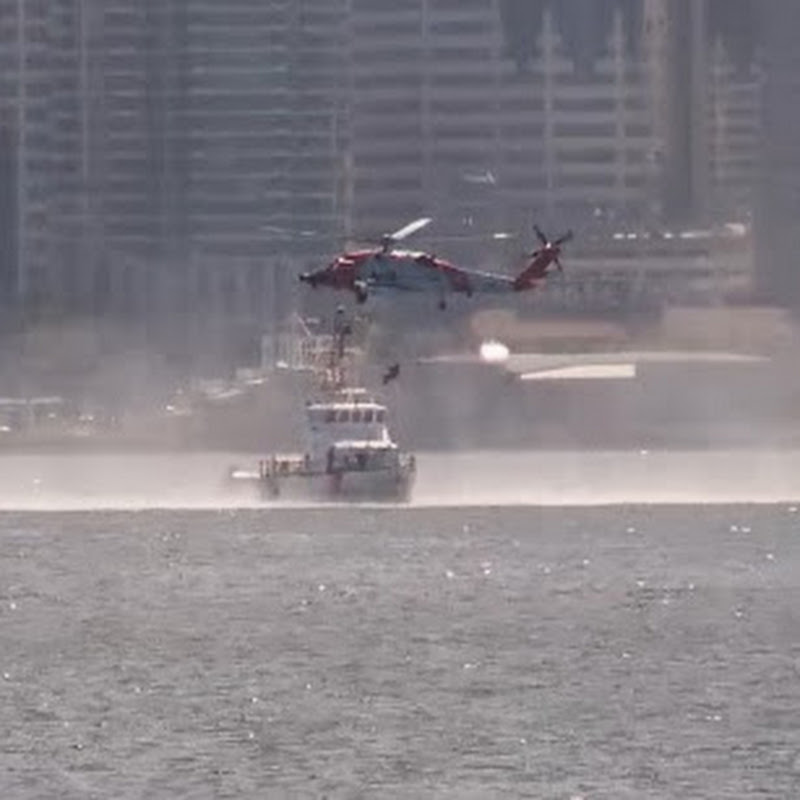
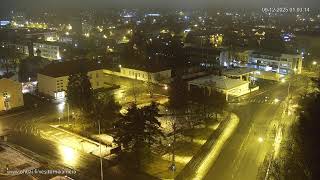
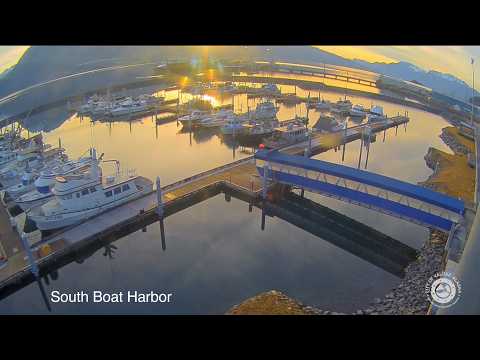
This live stream rotates through several views around Valdez, Alaska, showing the town’s harbour, surrounding mountains, boat docks, highways, and weather as it shifts across the fjord. The multicam feed captures everything from fishing vessels and marine traffic to snowy peaks, waterfront industry, and the quiet streets of this remote coastal community, offering a continuous real time look at life in one of Alaska’s most scenic port towns.
Valdez, Alaska, United States
 US
US- Valdez, Alaska
- Port of Valdez
- Suacit
Valdez is a city situated in the Chugach Census Area within the U.S. state of Alaska. It rests at the head of Port Valdez on the eastern side of Prince William Sound, surrounded by the heavily glaciated Chugach Mountains. The settlement occupies a deep fjord and serves as the northernmost ice-free port in North America year-round. It functions as a critical commercial fishing port and freight terminal for the region.
The area was named Puerto Valdés in 1790 by Spanish explorer Salvador Fidalgo, honoring Navy Minister Antonio Valdés y Fernández Bazán. Originally developed during the Gold Rush era, the town struggled until the Richardson Highway connected it to Fairbanks in 1910. A catastrophic 1964 earthquake caused soil liquefaction and a tsunami that destroyed the original site, forcing a relocation four miles away to more stable ground supervised by the Army Corps of Engineers.
The modern city is defined by its role as the terminus for the Trans-Alaska Pipeline System, which began transporting oil in 1977. The landscape features the Lowe River and Keystone Canyon, where major avalanches have occasionally blocked access. Nearby landmarks include the Shoup Glacier and the site of the 1989 Exxon Valdez oil spill at Bligh Reef. The town retains remnants of its mining past, such as the W.L. Smith Stamp Mill.
Visitors are drawn to outdoor pursuits including whitewater rafting on the Lowe River and sea kayaking in Prince William Sound. Activities extend to heli-skiing in Thompson Pass and hiking on the Mineral Creek Trail. The Valdez Museum offers historical insights, while the Valdez Visitors Center provides seasonal information. The community is known for its extreme weather conditions, attracting those interested in unique Alaskan environments and glacier sightseeing.
The population was 3,985 as of 2020, making it the third most populated city in Alaska's Unorganized Borough. The economy benefits from pipeline operations, tourism, and commercial fishing. Access is limited to the Richardson Highway or flights via Valdez Airport, with no scheduled ferry service from Whittier. Valdez experiences a subarctic climate and holds the distinction of being the snowiest city in the United States, averaging over 300 inches annually.
 The EARF Engine