
St. James church
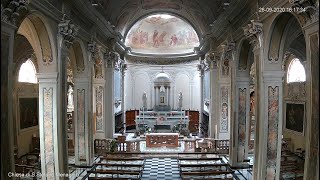
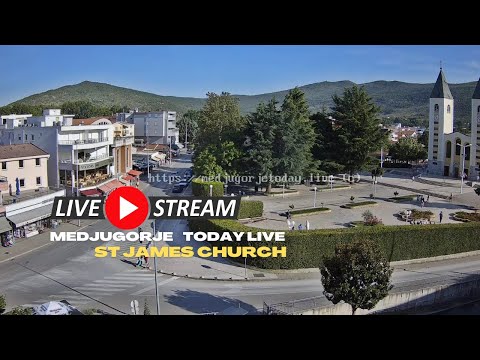
This live webcam provides a real-time view of St. James Church (Crkva sv. Jakova) in Medjugorje, Herzegovina-Neretva, Bosnia and Herzegovina. The camera captures the church's distinctive façade, featuring twin bell towers and a central entrance adorned with a relief of Saint James the Greater, the church's patron saint. Situated in the heart of Medjugorje, the church serves as a focal point for pilgrims visiting the site where the Virgin Mary is said to have appeared in 1981. The surrounding area, including the main street and the "Queen of Peace" statue, is also visible, offering a glimpse into the daily life and spiritual activities of this renowned pilgrimage destination.
Herzegovina-Neretva, Bosnia and Herzegovina
 BA
BA- Hercegovačko-neretvanska županija
- Hercegovačko-neretvanski kanton
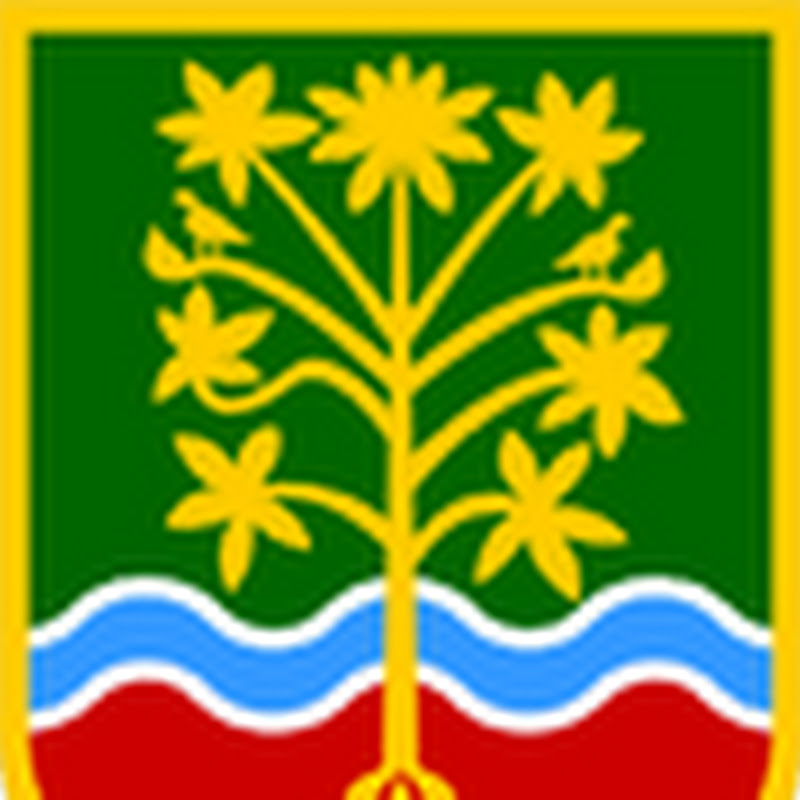
Herzegovina-Neretva Canton is a federated state and one of ten cantons comprising the Federation of Bosnia and Herzegovina. Its administrative centre is Mostar, located in the Neretva river valley area and parts of Herzegovina west of the city. The canton holds unique geographical significance as the only entity in Bosnia and Herzegovina with direct access to the sea via the municipality of Neum, which borders the Adriatic Sea.
The history of the canton began on 18 March 1994 with the signing of the Washington Agreement. It was officially constituted on 23 December 1996 as one of the ten cantons of the Federation of Bosnia and Herzegovina. Prior to this, the present-day municipalities were part of larger administrative units such as Mostar and Trebinje. The region has a mixed population, with special legislative procedures established to protect constituent ethnic groups.
The canton is defined by the Neretva river, which runs through Konjic, Jablanica, Mostar, and Čapljina before flowing into Croatia. Mostar features the Stari Most bridge, reconstructed in 2004 after being destroyed in 1993. Notable sites include the Marian shrine of Međugorje, the Illyrian remains near Neum, and the stećak necropolis at Radimlja. The area also contains large lakes like Jablanica lake and historical museums dedicated to World War II battles.
Visitor appeal is driven by natural beauties, nature parks, and cultural heritage. Major attractions include the old town of Mostar, Blagaj, and Neum, Bosnia and Herzegovina's sole outlet to the Adriatic Sea. The region offers rafting on the Neretva river and access to the Ćiro Trail, a 157-km cycling route following dismantled Austro-Hungarian railway tracks. Tourism is significant, with numerous overnight stays recorded in recent years.
The population was 236,278 as of 2013. The economy relies on wholesale trade, manufacturing, and electricity generation from hydroelectric plants on the Neretva River. Transport infrastructure includes 362.68 kilometers of roads and a 126.2-kilometer railroad connecting Konjic, Mostar, Jablanica, and Čapljina. Mostar International Airport serves as the third busiest in the country. The climate varies from mild Mediterranean in the south to continental in the north.
 The EARF Engine