

Shimanami Kaido
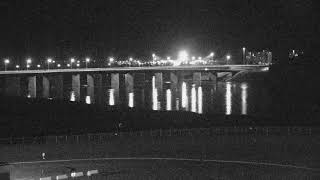
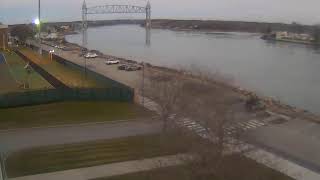
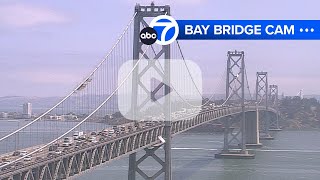
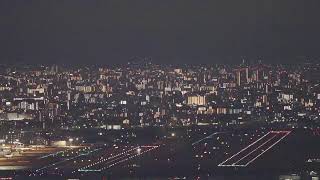
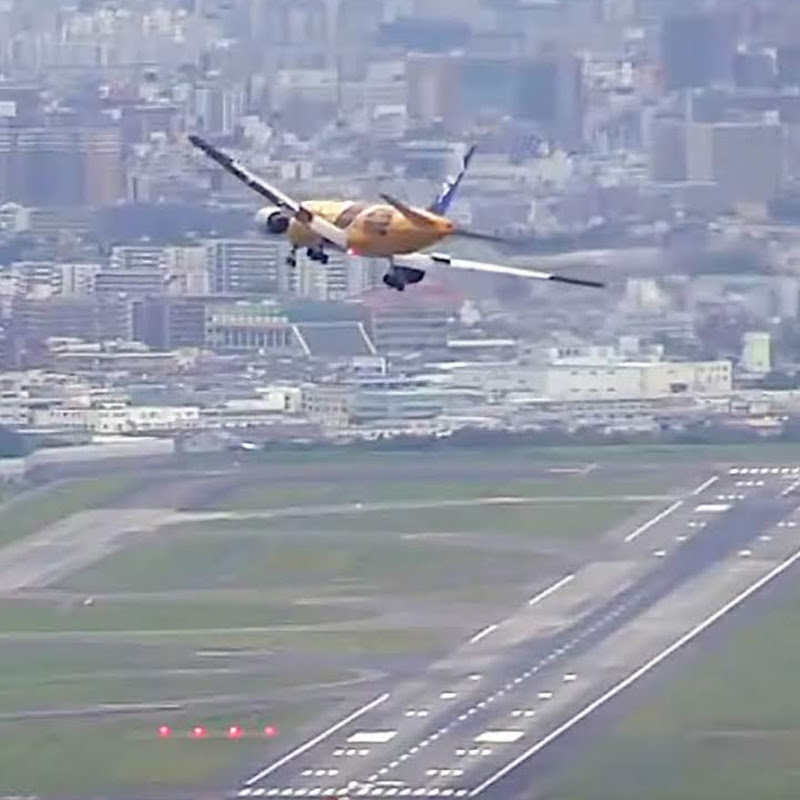
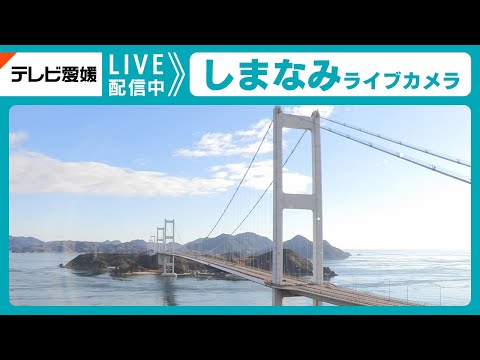
This live camera in Imabari, Ehime, Japan, shows the Shimanami Kaido, a scenic expressway connecting Japan’s main island of Honshu with Shikoku across the Seto Inland Sea. The view captures bridges and islands along this famous route, offering a real-time look at traffic, weather, and the stunning coastal landscape of western Japan.
Imabari, Ehime, Japan
 JP
JP- 今治市
Imabari is a city located in Ehime Prefecture on the island of Shikoku, Japan. Situated in central Ehime, it faces the Seto Inland Sea to the east and northwest. The municipality includes a portion of the Geiyo Islands, such as Ōmishima, Ōshima, and Hakatajima, which lie between Shikoku and Honshu. It serves as a significant urban center within the region.
The area was part of ancient Iyo Province and a strategic point for controlling the Seto Inland Sea. During the Sengoku period, it was dominated by the Murakami clan before Tokugawa Ieyasu installed Tōdō Takatora as daimyō of the Imabari Domain. Takatora constructed Imabari Castle, which forms the core of the modern city established in 1889 and expanded through multiple mergers.
The city features the historic Imabari Castle, notable for its seawater-filled moat, alongside the Toyo Ito Museum of Architecture. It hosts temples 54 to 59 of the Shikoku Pilgrimage, including Emmei-ji and Nankō-bō. The landscape includes the northeastern Takanawa Peninsula and the Kurushima-Kaikyō Bridge, which connects the city to Hiroshima Prefecture across the islands.
Imabari attracts visitors through its architectural heritage and religious sites. The city is renowned for its cotton processing industry, particularly towel production, which accounts for around 60% of Japan's total output. Cultural attractions include the Kōno Art Museum and Tamagawa Modern Art Museum, drawing interest from those exploring the region's artistic and historical contributions.
As of 2021, the population was 149,209, though estimates in 2022 placed it at 152,111. The economy relies heavily on shipbuilding, maritime services, and textile manufacturing. Imabari is accessible via the JR Yosan Line and the Shimanami Kaido expressway. It experiences a humid subtropical climate with warm summers and cool winters.
 The EARF Engine