

Suzu, Ishikawa, Japan
 JP
JP- Suzu-shi
- 珠洲市
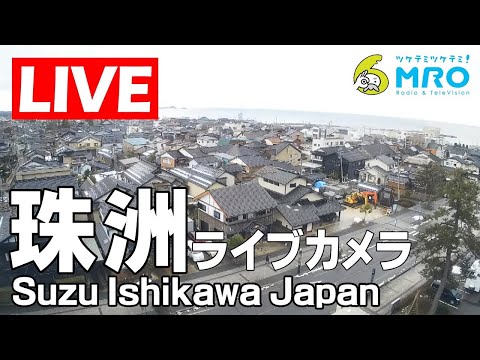
Suzu is a city situated in northern Ishikawa Prefecture, Japan, occupying the northeastern tip of the Noto Peninsula. It is bordered by the Sea of Japan on three sides, with parts of its territory lying within the Noto Hantō Quasi-National Park. The municipality serves as an administrative center for this coastal region, maintaining distinct boundaries with neighboring towns such as Noto and Wajima within the same prefecture.
The name Suzu likely derives from the ancient Shinto shrine in the Awazu area, with records appearing during the Nara period. In 718, it became part of Noto Province, later hosting the large Wakayama shōen estate established by Minamoto no Toshikane. The city was formed on July 15, 1954, through the merger of one town and fourteen villages, following centuries of trade connections with Izumo, Sado, and Ezo.
Notable landmarks include Godzilla Rock, Mitsukejima known as Battleship Rock, and the Rokkozaki Lighthouse. The city also features Suzu Shrine and the Suzu-yaki Museum, which highlight its ceramic heritage. These sites reflect the area's long history of salt production and pottery, with diatomaceous earth found throughout the city limits supporting traditional crafts since the Edo period.
Cultural attractions include the Iida-machi Toroyama Festival and the Houryuu Tanabata Kiriko Festival, featuring a massive kiriko carried through Ukai. The Oku-Noto Triennale offers contemporary art exhibitions every three years. Visitors are drawn to local traditions such as the Agehama method of salt manufacturing and the production of sawtooth oak charcoal for tea ceremonies, alongside regional cuisine like Noto Beef.
As of 2020, the population was 12,879, though estimates in March 2021 placed it at 13,531. The economy relies on agriculture, commercial fishing, and ceramics, with a humid subtropical climate bringing mild summers and cold, snowy winters. Access is via National Route 249 or Noto Airport, located thirty-five kilometers west, as the city lacks passenger railway service.
 The EARF Engine