










Caribbean
Barbados
"Pride and Industry"
Overview
Barbados is a small island nation located in the Lesser Antilles of the Caribbean Sea, situated between the North American and South American continents. It is renowned for its pristine beaches, historical architecture, and status as a major center for tourism and finance. The country's economy is heavily reliant on tourism and offshore services, while its culture blends British colonial influences with Caribbean traditions. The capital and largest city is Bridgetown, which is a UNESCO World Heritage site, reflecting its rich colonial past.
Travel Advisory
Government & Politics
| Government Type | Parliamentary Republic |
|---|---|
| System | Republic |
| Governor-General | Jeffrey Bostic |
| Prime Minister | Mia Mottley |
| Legislature (Unicameral) | Barbados House of Assembly |
| Independence | 1966-11-30 from United Kingdom |
| Constitution | 1966 |
Barbados is a parliamentary republic with a Westminster-style democracy, maintaining a constitutional monarchy through the role of the Governor-General. The government is structured around the House of Assembly, which elects the Prime Minister. The political landscape is generally stable, emphasizing democratic institutions and adherence to international law.
Barbados maintains strong economic and cultural ties with the United States and Canada, which are primary sources of tourism and investment. It is a founding and active member of the Caribbean Community (CARICOM), participating in regional trade and security cooperation.
People, Language & Religion
| Official Languages | English |
|---|---|
| Regional Languages | Creole |
| Native Name ENG | Barbados |
| Demonym (Male) | Barbadian |
| Ethnic — African | Significant minority |
| Ethnic — European | Majority |
| Ethnic — Indigenous | Small population |
| Religion — Islam | Minority |
| Religion — Hinduism | Significant minority |
| Religion — Christianity | Dominant |
Economy
| GDP (Nominal) | $8B USD |
|---|---|
| GDP (PPP) | $7.3B USD |
| GDP per Capita | $28,365 USD |
| GDP per Capita (PPP) | $25,894 USD |
| GDP Growth Rate | 1.8% |
| Gini Coefficient | 0.341 |
| Human Development Index 0.805 · High | |
| Unemployment Rate | 6.5% |
| Inflation Rate | 0.8% |
| Public Debt (% GDP) | 125% |
| Main Industries | Tourism, Financial Services, Offshore Banking, Agriculture (sugar, spices) |
| Main Exports | Services (Tourism, Finance), Agricultural products (Spices, Rum), null |
| Main Imports | Fuel, Consumer goods, Foodstuffs |
| Export Partners | United States, Canada |
| Import Partners | United States, Canada |
| Currency | Barbadian dollar ($) [BBD] |
Demographics
| Population | 282,623 |
|---|---|
| Urban Population | 59.7% |
| Median Age | 32 years |
| Life Expectancy | 76.3 years |
| Fertility Rate | 1.71 |
| Infant Mortality | 9.1 per 1,000 births |
| Literacy Rate | 98% |
Geography & Climate
Located in the Caribbean Sea, Barbados is a small, crescent-shaped island with a relatively flat interior and dramatic coastlines. Its geography is defined by its position within the Lesser Antilles arc, giving it access to diverse marine ecosystems. The island is surrounded by coral reefs and features extensive beaches, which are central to its identity and economy.
| Terrain | Low-lying coastal plain with hilly interior sections |
|---|---|
| Total Area | 430 km² |
| Coastline | 180 km |
| Exclusive Economic Zone | 1,200 km² |
| Landlocked | No |
| Highest Point | Mount Gay (120 m) |
| Lowest Point | Coastal Sea Level (0 m) |
| Major Cities | Bridgetown, Oistins |
| Natural Resources | Marine resources (fishing, tourism), Limestone deposits |
| Climate | Tropical Savanna/Tropical Rainforest |
Barbados experiences a tropical maritime climate, characterized by high temperatures and humidity year-round. The wet season typically runs from May to November, bringing heavy rainfall, while the dry season is generally from December to April. Temperatures remain consistently warm, making it a popular year-round tropical destination.
History
Ancient & Early History
The island has been inhabited since pre-Columbian times, with evidence of indigenous peoples, though detailed records are scarce. Historically, it was part of the wider Caribbean trade routes, attracting various cultures and influences.
Colonial Period
Barbados was first settled by Europeans, notably the British, who established a lucrative sugar plantation economy starting in the 17th century. The island became a major center for the transatlantic slave trade, leading to a deeply ingrained plantation society structure that persisted for centuries.
Independence
The path to self-governance was gradual, culminating in the transition from a British colony to an independent nation on November 30, 1966. This independence marked the end of its colonial era and the beginning of its modern political identity.
Modern Era
Following independence, Barbados successfully diversified its economy, moving away from sole reliance on sugar to embrace tourism and financial services. It has maintained a stable democratic government and a commitment to preserving its unique cultural heritage.
Recent History
In recent decades, Barbados has actively promoted itself as a regional hub for finance and technology, while simultaneously focusing on environmental sustainability and cultural preservation. It has also been a key member of regional economic blocs like CARICOM.
Culture & National Symbols
Barbadian culture is a vibrant blend of British, African, and Indian influences, resulting in unique traditions. The island is famous for its colorful architecture, particularly in Bridgetown, and its deep connection to rum and sugar history. The annual Carnival celebration is a major cultural event.
| National Anthem | Barbados — "Barbados, land of the free and the brave" |
|---|---|
| National Sport | Cricket |
| National Dish | Cou-Cou and Curry |
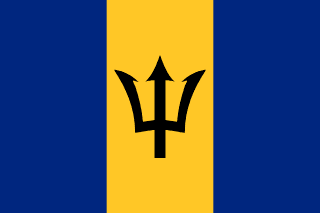
| National Colours | Blue, Yellow, Black |
Cuisine
- Cou-Cou and Curry (staple dish)
- Grilled fresh seafood
- Barbadian rum punch
Tourism Highlights
- Platinum Coast beaches
- Historic Bridgetown UNESCO site
- Luxury resorts and spas
- Diving and snorkeling in coral reefs
Natural Wonders
- The coral reefs surrounding the island
- The pristine beaches of the South Coast
Notable People
Sir Frank Cable, Sir George Smith
Fun Facts
- Barbados is often cited as one of the safest and most stable democracies in the Caribbean.
- The island's primary currency is the Barbadian dollar (BBD), pegged to the USD.
Military
| Branches | Barbados Defence Force (BDF) |
|---|---|
| Personnel (Approx.) | 1,000 |
International Relations
| UN Member Since | 1966 |
|---|---|
| Organizations | CARICOM |
| UNESCO Sites | 1 — Bridgetown (Historic Area) |
Infrastructure & Environment
| Driving Side | Left |
|---|---|
| Electrical | 230V, 60 Hz (Type A, Type B) |
| Internet Users | 70.4% |
| Mobile Subscriptions | 114.6 per 100 people |
| CO₂ Emissions | 0.7 Mt |
| Renewable Energy | 5.5% |
Environmental Issues
- Coastal erosion and sea-level rise
- Waste management and plastic pollution
- Maintaining biodiversity in coral reef systems
Communications
| International Calling Code | +1246 |
|---|---|
| Internet TLD | .bb |
| Postal Code Format | BB##### |
Emergency Services
External Links


 The EARF Engine