










Caribbean
Cayman Islands
The Cayman Islands
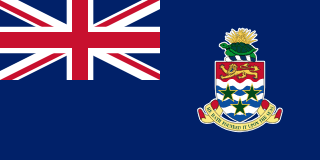
"He hath founded it upon the seas"
Overview
The Cayman Islands is a self-governing British Overseas Territory located in the western Caribbean. It comprises three islands: Grand Cayman, Cayman Brac, and Little Cayman. The territory is renowned globally as a major financial services center due to its favorable tax laws and stable political environment. Its geography features stunning limestone formations, pristine beaches, and vibrant coral reefs.
Travel Advisory
Government & Politics
| Government Type | British Overseas Territory |
|---|---|
| System | Self-governing Colony |
| Monarch (King/Queen of the United Kingdom) | The King |
| Legislature (Unicameral) | Cayman House |
| Constitution | 1968 |
The Cayman Islands operate under a system of self-governance within the British Commonwealth. The government is highly focused on maintaining economic stability and attracting international business. Political power is decentralized, with local councils managing day-to-day affairs, overseen by an appointed Governor representing the Crown.
The islands maintain extremely close and vital economic relationships with the United States (the largest trade partner) and the United Kingdom. Their foreign policy emphasizes maintaining international financial credibility, promoting stability, and ensuring adherence to global anti-money laundering standards.
People, Language & Religion
| Official Languages | English |
|---|---|
| Native Name ENG | Cayman Islands |
| Demonym (Male) | Cayman |
| Ethnic — African | Minority |
| Ethnic — European | Majority |
| Ethnic — Caribbean Indigenous | Small minority |
| Religion — Other | Various small groups |
| Religion — Christianity | Dominant (Protestant, Catholic) |
| Religion — Judeo-Christian | Significant influence |
Economy
| GDP (Nominal) | $7.8B USD |
|---|---|
| GDP (PPP) | $6.9B USD |
| GDP per Capita | $104,293 USD |
| GDP per Capita (PPP) | $92,201 USD |
| GDP Growth Rate | 5.8% |
| Gini Coefficient | 0.15 |
| Human Development Index 0.93 · Very High | |
| Unemployment Rate | 3% |
| Inflation Rate | -0.6% |
| Public Debt (% GDP) | 5% |
| Main Industries | Financial Services, Tourism, Real Estate, Shipping |
| Main Exports | Financial Services Revenue, Tourism Receipts, Services |
| Main Imports | Fuel, Consumer Goods, Construction Materials |
| Export Partners | United States, United Kingdom |
| Import Partners | United States, China, Canada |
| Currency | Cayman Dollar ($C) [KYD] |
Demographics
| Population | 75,844 |
|---|---|
| Urban Population | 100% |
| Median Age | 35 years |
| Life Expectancy | 80.5 years |
| Fertility Rate | 1.52 |
| Infant Mortality | 8 per 1,000 births |
| Literacy Rate | 98% |
Geography & Climate
A small archipelago composed of three islands—Grand Cayman (the largest), Cayman Brac, and Little Cayman. The geography is dominated by limestone karst formations, resulting in dramatic cliffs, shallow turquoise waters, and extensive coral reef systems that support rich marine biodiversity.
| Terrain | Coastal, Limestone Karst, Coral Reefs |
|---|---|
| Total Area | 264 km² |
| Coastline | 120 km |
| Exclusive Economic Zone | 5,000 km² |
| Landlocked | No |
| Highest Point | Cayman Cliffs (Grand Cayman) (100 m) |
| Lowest Point | Caribbean Sea (0 m) |
| Major Cities | George Town |
| Natural Resources | Limestone, Coral Reefs, Marine Life, Sand |
| Climate | Tropical Savanna/Maritime |
The Cayman Islands experience a tropical maritime climate. They are characterized by hot, humid weather year-round, with distinct wet and dry seasons influenced by trade winds and hurricane activity during the Atlantic season.
History
Ancient & Early History
The area has historically been part of the wider Caribbean trade routes. While not a site of ancient empires like Rome or Greece, its strategic location made it important for maritime activity and early colonial exploration.
Colonial Period
The islands were claimed by various European powers over centuries (Spain, Britain). They entered British control fully in the 18th century, developing primarily as key points in the transatlantic trade network. The establishment of a stable legal framework was crucial to its later economic development.
Independence
As a British Overseas Territory, the Cayman Islands do not have a formal independence date. However, they achieved increasing levels of self-governance and autonomy over time, particularly regarding their internal laws and economy, while remaining under the sovereignty of the UK Crown.
Modern Era
The modern history is defined by its transformation into a global financial hub starting in the mid-20th century. The islands leveraged their favorable tax status and stable legal system to attract international banking and corporate services, leading to rapid economic growth but also creating unique socio-economic challenges.
Recent History
In recent decades, the Cayman Islands have faced increased international scrutiny regarding financial transparency and anti-money laundering regulations. This has led to significant reforms in their financial sector laws, aiming to maintain their reputation as a stable and compliant offshore center while adapting to global tax standards.
Culture & National Symbols
The culture is a unique blend of Caribbean vibrancy and British colonial influence. It is famous for its luxury lifestyle, high standards of living, and deep connection to the sea.
| National Animal | Sea Turtle |
|---|---|
| National Bird | Brown Pelican |
| National Sport | Cricket/Football (Soccer) |
| National Dish | Seafood Jerk |
| National Colours | Blue, Yellow, Red |
Cuisine
- Seafood Jerk
- Curried Goat
- Breadfruit dishes
Tourism Highlights
- Snorkeling and diving in crystal-clear waters
- The Stingray City attraction
- Luxury resorts and high-end shopping experiences
Natural Wonders
- Coral Reefs of the Caribbean
- Stingray City (Grand Cayman)
- Limestone Cliffs
Notable People
Sir George Pearce, Various financial sector leaders
Fun Facts
- The islands are famous globally for their financial services sector.
- They are composed of three distinct, yet interconnected, islands.
Military
| Branches | None (UK presence only) |
|---|---|
| Personnel (Approx.) | 50 |
International Relations
| Organizations | Commonwealth of Nations |
|---|---|
| UNESCO Sites | 0 |
Infrastructure & Environment
| Driving Side | Left |
|---|---|
| Electrical | 120V, 60 Hz (Type A, Type B) |
| Internet Users | 81.1% |
| Mobile Subscriptions | 139.3 per 100 people |
| CO₂ Emissions | 0.4 Mt |
| Renewable Energy | 0% |
Environmental Issues
- Coastal development and erosion
- Waste management from tourism influx
- Impact of climate change on coral reefs
Communications
| International Calling Code | +1345 |
|---|---|
| Internet TLD | .ky |
| Postal Code Format | N/A |
Emergency Services
External Links


 The EARF Engine