










Caribbean
Curaçao
Country of Curaçao
"Feel It For Yourself"
Overview
Curaçao, officially the Country of Curaçao, is a constituent country of the Kingdom of the Netherlands located in the southern Caribbean Sea. Geographically, it is situated in the Dutch Caribbean region, approximately 65 km north of the mainland of Venezuela. The island is known for its vibrant blend of Dutch colonial architecture and Caribbean culture, with its capital, Willemstad, serving as a major historical and commercial hub. With a population of approximately 155,000 people, Curaçao maintains a tropical climate and a strong focus on tourism and maritime trade.
Travel Advisory
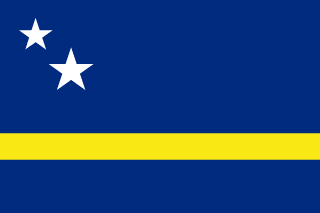
Government & Politics
| Government Type | Constituent Country of the Kingdom of the Netherlands |
|---|---|
| System | Constitutional Monarchy (as part of the Kingdom) |
| King | King Willem-Alexander |
| Legislature (Unicameral) | Parliament of Curaçao |
| Independence | null from Kingdom of the Netherlands |
Curaçao is a constituent country of the Kingdom of the Netherlands, granting it a degree of self-governance while remaining under the overarching constitutional framework of the Kingdom. Its political structure involves local elections and a parliament that manages domestic affairs. The political landscape is characterized by a mix of local political parties and international influence from the Netherlands.
Curaçao maintains strong economic and political ties with the Kingdom of the Netherlands, which provides significant financial and legal support. It also has robust relationships with the United States and other Caribbean nations, primarily driven by the tourism and maritime industries. Its location makes it a key player in regional trade.
People, Language & Religion
| Official Languages | Papiamento |
|---|---|
| Regional Languages | Dutch |
| Native Name ENG | Curaçao |
| Native Name NLD | Curaçao |
| Native Name PAP | Pais Kòrsou |
| Demonym (Male) | Curaçaoan |
| Ethnic — African | Significant minority |
| Ethnic — European | Majority |
| Ethnic — Indigenous | Minority |
| Religion — Judaism | Significant historical presence |
| Religion — Christianity | Dominant |
Economy
| GDP (Nominal) | $3.6B USD |
|---|---|
| GDP (PPP) | $5.1B USD |
| GDP per Capita | $22,833 USD |
| GDP per Capita (PPP) | $32,741 USD |
| GDP Growth Rate | 4.2% |
| Gini Coefficient | 0.3 |
| Human Development Index 0.75 · High | |
| Unemployment Rate | 7.5% |
| Inflation Rate | 2.6% |
| Public Debt (% GDP) | 40% |
| Main Industries | Tourism, Financial Services, Maritime Trade |
| Main Exports | Services, Fish, Agricultural Products |
| Main Imports | Fuel, Foodstuffs, Manufactured Goods |
| Export Partners | Netherlands, United States |
| Import Partners | Netherlands, United States |
| Currency | Netherlands Antillean guilder (ƒ) [ANG] |
Demographics
| Population | 156,263 |
|---|---|
| Urban Population | 91.5% |
| Median Age | 30 years |
| Life Expectancy | 77 years |
| Fertility Rate | 1.4 |
| Infant Mortality | 10 per 1,000 births |
| Literacy Rate | 98% |
Geography & Climate
Located in the southern Caribbean Sea, Curaçao is an island with a relatively compact size and diverse geography. Its terrain is characterized by a mix of coastal plains, hilly interior regions, and dramatic limestone formations. The island's natural beauty is highlighted by its turquoise waters and coral reefs, making it a major destination for diving and snorkeling.
| Terrain | Coastal plains, hilly interior, limestone formations |
|---|---|
| Total Area | 444 km² |
| Coastline | 120 km |
| Exclusive Economic Zone | 1,000 km² |
| Landlocked | No |
| Highest Point | null (0 m) |
| Lowest Point | Caribbean Sea (0 m) |
| Major Cities | Willemstad |
| Natural Resources | Salt, Coral Reefs, Oil and Gas (historical/potential) |
| Climate | Tropical Savanna (Aw) |
Curaçao experiences a tropical maritime climate, characterized by high temperatures and humidity year-round. Rainfall is generally concentrated in the wet season (typically May to November), while the dry season offers consistent sunshine. The climate supports lush tropical vegetation and is ideal for tourism.
History
Ancient & Early History
The island has been inhabited for millennia, with archaeological evidence suggesting early settlement by indigenous groups. Historically, it was a crucial stop on transatlantic trade routes, attracting various cultures over time.
Colonial Period
The island's history is marked by successive European powers. It was initially controlled by the Spanish Empire, which established a significant presence. Following the Spanish decline, it passed through Dutch control, leading to the development of its distinctive colonial architecture, particularly in Willemstad.
Independence
Curaçao has maintained a complex constitutional relationship with the Kingdom of the Netherlands. While it has sought greater autonomy, its status remains that of a constituent country within the Kingdom structure.
Modern Era
In the 20th century, Curaçao developed its economy heavily around tourism and trade. The island has successfully leveraged its strategic Caribbean location and its unique cultural blend to establish itself as a regional financial and service hub.
Recent History
Recent decades have seen efforts to strengthen local governance and economic diversification. The island continues to balance its commitment to the Kingdom of the Netherlands with the desire for greater self-determination and economic growth.
Culture & National Symbols
The culture of Curaçao is a vibrant syncretism, blending Dutch, African, and Caribbean influences. This is most evident in the Papiamento language, which is a creole language, and the colorful, brightly painted architecture of Willemstad, a UNESCO-recognized city.
| National Anthem | null — "null" |
|---|---|
| National Colours | Red, White, Blue |
Cuisine
- Stobá (a stew of meat, vegetables, and spices)
- Pastel (a type of savory pastry)
Tourism Highlights
- Willemstad's colorful Dutch colonial architecture
- Coral reefs and snorkeling spots
- Beaches and tropical resorts
Natural Wonders
- The natural harbor of Willemstad
- The coral reefs of the southern Caribbean
Notable People
null
Fun Facts
- The island is famous for its pastel-colored buildings, particularly in the Punda district of Willemstad.
- It is a key hub for the offshore financial services industry in the Caribbean.
Military
| Personnel (Approx.) | 500 |
|---|
International Relations
| UN Member Since | 1976 |
|---|---|
| Organizations | Caribbean Community (CARICOM) |
| UNESCO Sites | 0 |
Infrastructure & Environment
| Driving Side | Left |
|---|---|
| Electrical | 220V, 60 Hz (Type A) |
| Internet Users | 68.1% |
| Mobile Subscriptions | 93.8 per 100 people |
| Renewable Energy | 2.8% |
Environmental Issues
- Coastal erosion due to sea-level rise
- Waste management and plastic pollution
- Over-reliance on tourism infrastructure
Communications
| International Calling Code | +599 |
|---|---|
| Internet TLD | .cw |
External Links


 The EARF Engine