










Caribbean
Jamaica
"Out of Many, One People"
Overview
Jamaica is a sovereign island nation located in the Caribbean Sea, forming part of the Greater Antilles in the West Indies. With an area of 10,991 km², it is the third-largest island in the Greater Antilles, following Cuba and Hispaniola. The country's geography is characterized by mountainous interior regions and fertile coastal plains, supporting a diverse mix of tropical ecosystems. The population, estimated at around 2.96 million people, is predominantly of African descent, with a rich cultural heritage deeply influenced by slavery and subsequent emancipation. The capital and largest city is Kingston, which serves as the nation's primary economic and administrative hub.
Travel Advisory
Government & Politics
| Government Type | Parliamentary Republic |
|---|---|
| System | Republic |
| Governor-General | Sir Patrick Allen (Governor-General) |
| Prime Minister | Andrew Holness |
| Legislature (Unicameral (with a Senate, though its power is limited)) | House of Representatives |
| Independence | 1962-11-19 from United Kingdom |
| Constitution | 1962 |
Jamaica operates as a parliamentary republic with a Westminster-style democracy. The Prime Minister, who is the head of government, is typically the leader of the majority party in the House of Representatives. The political landscape is historically dominated by two major parties, leading to a competitive, yet stable, democratic process. The constitution guarantees fundamental rights and establishes a system of checks and balances between the executive, legislative, and judicial branches.
Jamaica maintains strong diplomatic and economic ties with the United States, which is its largest trade partner. It is also a key member of the Caribbean Community (CARICOM) and engages in robust regional cooperation. Relations with the UK remain important due to historical ties, while efforts are ongoing to diversify trade partners and attract foreign direct investment.
People, Language & Religion
| Official Languages | English |
|---|---|
| Regional Languages | Patois |
| Native Name ENG | Jamaica |
| Native Name JAM | Jamaica |
| Demonym (Male) | Jamaican |
| Ethnic — Mixed | Significant minority |
| Ethnic — African | Majority |
| Religion — Judaism | Minority |
| Religion — Hinduism | Minority |
| Religion — Christianity | Dominant |
Economy
| GDP (Nominal) | $22.7B USD |
|---|---|
| GDP (PPP) | $37.7B USD |
| GDP per Capita | $8,003 USD |
| GDP per Capita (PPP) | $13,291 USD |
| GDP Growth Rate | 2.5% |
| Gini Coefficient | 0.399 |
| Human Development Index 0.715 · High | |
| Unemployment Rate | 3.3% |
| Inflation Rate | 4% |
| Public Debt (% GDP) | 97.9% |
| Main Industries | Tourism, Bauxite mining, Agriculture (sugar, coffee) |
| Main Exports | Bauxite, Sugar, Coffee, Rum |
| Main Imports | Fuel, Machinery, Foodstuffs |
| Export Partners | United States, Canada |
| Import Partners | United States, Jamaica |
| Currency | Jamaican dollar ($) [JMD] |
Demographics
| Population | 2,837,077 |
|---|---|
| Urban Population | 59.4% |
| Median Age | 28 years |
| Life Expectancy | 71.6 years |
| Fertility Rate | 1.35 |
| Infant Mortality | 16.4 per 1,000 births |
| Literacy Rate | 98% |
Geography & Climate
The island of Jamaica is situated in the Caribbean Sea, forming part of the Greater Antilles. Its geography is marked by a rugged interior dominated by the Blue Mountains, which are the island's highest and most significant geographical feature. The coastlines are varied, featuring both sandy beaches and dramatic cliffs, while the fertile plains support agriculture, particularly sugar cane.
| Terrain | Mountainous interior with fertile coastal plains |
|---|---|
| Total Area | 10,991 km² |
| Coastline | 350 km |
| Exclusive Economic Zone | 200,000 km² |
| Landlocked | No |
| Highest Point | Blue Mountain Peak (2,296 m) |
| Lowest Point | Coastal areas (0 m) |
| Major Rivers | Rio Cobre |
| Major Cities | Kingston, Montego Bay, Spanish Town |
| Natural Resources | Bauxite (aluminum ore), Limestone, Agricultural land (sugar cane, coffee) |
| Climate | Tropical Rainforest/Savanna |
Jamaica experiences a tropical maritime climate, characterized by high temperatures and humidity year-round. The wet season typically runs from May to November, bringing heavy rainfall, while the dry season is generally from December to April. Coastal areas benefit from consistent trade winds, making them ideal for tourism.
History
Ancient & Early History
The island has been inhabited by various indigenous groups, most notably the Taino people, who established complex agricultural and social structures. The Taino civilization flourished here for centuries, leaving behind archaeological evidence of sophisticated settlements and farming techniques.
Colonial Period
Jamaica was first encountered by Europeans in the late 15th century. It was subsequently claimed by Spain, but its strategic value led to prolonged conflict between the British and the French. The British finally established firm control, developing the island into a major sugar plantation economy, which brought large numbers of enslaved Africans from various parts of the Americas.
Independence
The path to independence was gradual, culminating in the Federation of the West Indies. Jamaica achieved full independence from the United Kingdom on November 19, 1962, becoming a sovereign nation.
Modern Era
Following independence, Jamaica transitioned from a plantation economy to one heavily reliant on tourism and remittances. The country has faced periods of political instability and economic challenges, but has maintained a strong cultural identity and commitment to regional cooperation within CARICOM.
Recent History
In recent decades, the government has focused on diversifying the economy beyond sugar and tourism, investing in infrastructure and promoting small-scale local industries. The nation continues to navigate the challenges of climate change and economic volatility while preserving its rich cultural traditions.
Culture & National Symbols
Jamaican culture is globally renowned for its vibrant music, particularly reggae, which originated in the 1960s. The island's cuisine, featuring ackee and saltfish, is a staple of its culinary identity. Beyond music, the country boasts rich traditions in dance, literature, and spiritual practices, reflecting its unique blend of African, European, and Caribbean influences.
| National Anthem | Jamaica — "Jamaica, land we love, forever pure and true" |
|---|---|
| National Animal | Jamaican Crested Iguana |
| National Bird | Blue Mountain Pigeon |
| National Flower | Hibiscus |
| National Tree | Mango Tree |
| National Sport | Cricket |
| National Dish | Ackee and Saltfish |
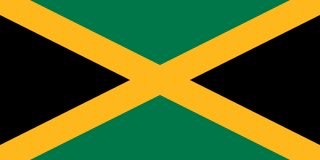
| National Colours | Green, Black, Gold |
Cuisine
- Ackee and Saltfish
- Jamaican Jerk Chicken
- Rice and Peas
Tourism Highlights
- Seven Mile Beach
- Blue Mountains hiking trails
- Negril's beaches
- Dunn's River Falls
Natural Wonders
- Blue Mountains
- Dunn's River Falls
Notable People
Bob Marley, Jimmy Cliff, Paul Gauguin (lived/worked in Jamaica)
Fun Facts
- Jamaica is the birthplace of reggae music.
- The island is famous for its bauxite deposits, a major source of aluminum ore.
Military
| Branches | Jamaica Defence Force (JDF) |
|---|---|
| Personnel (Approx.) | 6,000 |
International Relations
| UN Member Since | 1962 |
|---|---|
| Organizations | CARICOM |
| UNESCO Sites | 0 |
Infrastructure & Environment
| Driving Side | Left |
|---|---|
| Electrical | 230V, 60 Hz (Type A) |
| Internet Users | 90.1% |
| Mobile Subscriptions | 117.7 per 100 people |
| CO₂ Emissions | 8.1 Mt |
| Renewable Energy | 10.5% |
Environmental Issues
- Coastal erosion
- Waste management
- Deforestation in certain agricultural areas
Communications
| International Calling Code | +1876 |
|---|---|
| Internet TLD | .jm |
Emergency Services
External Links


 The EARF Engine