





Caribbean
Sint Maarten
"Semper progrediens (Always progressing)"
Overview
Sint Maarten is a constituent country of the Kingdom of the Netherlands, located in the Caribbean region. It encompasses the southern 44% of the divided island of Saint Martin. The island is known for its dual culture and economy, with one side operating under Dutch influence and the other under French influence.
Travel Advisory
Government & Politics
| Government Type | Constituent Country |
|---|---|
| System | Decentralized Democracy |
| Legislature (Unicameral) | Island Council |
| Constitution | 1976 |
Sint Maarten operates as a constituent country within the Kingdom of the Netherlands. Its political structure grants it significant self-governance (autonomy), allowing local laws and governance to operate independently while remaining part of the Dutch constitutional framework.
Its foreign relations are primarily focused on maintaining strong economic ties with the Netherlands, the United States, and other major tourist markets. Its location makes it a key player in regional Caribbean trade and security cooperation.
People, Language & Religion
| Official Languages | English, Dutch |
|---|---|
| Native Name ENG | Sint Maarten |
| Native Name NLD | Sint Maarten |
| Demonym (Male) | Sint Maartener |
| Demonym (Female) | Sint Maartense |
| Ethnic — Creole | Majority |
| Ethnic — African | Minority |
| Ethnic — European | Significant minority |
| Religion — Islam | Minority |
| Religion — Hinduism | Minority |
| Religion — Christianity | Predominant (Protestant, Catholic) |
Economy
| GDP (Nominal) | $1.9B USD |
|---|---|
| GDP (PPP) | $2.5B USD |
| GDP per Capita | $42,978 USD |
| GDP per Capita (PPP) | $56,491 USD |
| GDP Growth Rate | 3% |
| Gini Coefficient | 0.3 |
| Human Development Index 0.7 · Upper-Middle | |
| Unemployment Rate | 8% |
| Inflation Rate | 2.2% |
| Public Debt (% GDP) | 40% |
| Main Industries | Tourism, Retail trade, Services |
| Main Exports | Tourist services, Processed goods, Luxury items |
| Main Imports | Fuel, Foodstuffs, Construction materials |
| Export Partners | Netherlands, United States, Canada |
| Import Partners | China, Germany, United Kingdom |
| Currency | United States Dollar ($) [USD] |
Demographics
| Population | 43,923 |
|---|---|
| Urban Population | 100% |
| Median Age | 30 years |
| Life Expectancy | 76.5 years |
| Fertility Rate | 1.44 |
| Infant Mortality | 12 per 1,000 births |
| Literacy Rate | 98% |
Geography & Climate
The island is small and relatively flat, featuring extensive beaches and coastal resorts. Its geography is defined by its position in the Caribbean Sea, making tourism and maritime activities central to its identity. The divided nature of the island (Dutch vs. French) creates distinct cultural zones.
| Terrain | Coastal plain |
|---|---|
| Total Area | 34 km² |
| Coastline | 45 km |
| Exclusive Economic Zone | 1,000 km² |
| Landlocked | No |
| Lowest Point | Caribbean Sea (0 m) |
| Major Cities | Philipsburg, Simpson Bay |
| Natural Resources | Sand, Marine resources, Tourism potential |
| Climate | Tropical Savanna |
Sint Maarten experiences a tropical climate characterized by high temperatures and humidity year-round. Rainfall is generally distributed throughout the year, with wet seasons typically occurring in the summer months.
History
Ancient & Early History
The island's history is intertwined with early European exploration and trade routes. It was visited by various cultures, including the Spanish and Dutch, who established trading posts in the Caribbean.
Colonial Period
Sint Maarten has been a key point of conflict and commerce between major European powers, notably Spain and the Netherlands. This rivalry led to periods of shifting control, establishing it as a crucial strategic outpost in the Caribbean trade network.
Independence
The island did not achieve formal independence but rather a high degree of autonomy within the Kingdom of the Netherlands, allowing it significant self-governance over its internal affairs and economy.
Modern Era
Modern history is defined by its unique bi-national status (Dutch/French), which has allowed for distinct cultural development while maintaining economic cooperation. The tourism industry became the primary driver of growth in the 20th century.
Recent History
Recent years have seen the island navigate complex geopolitical waters, balancing its relationship with the Kingdom of the Netherlands and neighboring French territories. Economic stability remains heavily reliant on international travel and tourism markets.
Culture & National Symbols
{"The blend of Dutch and French cultures","Vibrant Caribbean music and festivals","World-class beaches and resorts"}
| National Animal | Sea Turtle |
|---|---|
| National Bird | Brown Pelican |
| National Sport | Cricket/Football (Soccer) |
| National Dish | Johnny Cakes |
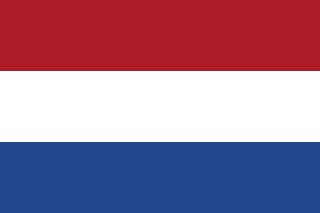
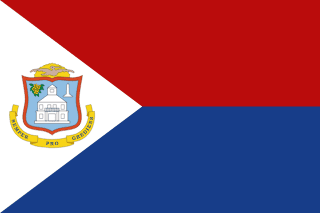
| National Colours | Red, White, Blue |
Cuisine
- Johnny Cakes (local fried bread)
- Curried Goat
- Caribbean Jerk Chicken
Tourism Highlights
- Philipsburg's historic Dutch architecture
- The natural beauty of the Caribbean coastline
- Water sports and diving opportunities
Natural Wonders
- Caribbean beaches
- Coral reefs
Notable People
Fun Facts
- The island is unique in being divided between two different nations (Dutch and French).
- Its economy is heavily dependent on the global tourism market.
Military
| Branches | Local Police Force, Coast Guard Liaison |
|---|---|
| Personnel (Approx.) | 1,500 |
International Relations
| UN Member Since | 1960 |
|---|---|
| Organizations | CARICOM |
| UNESCO Sites | 0 |
Infrastructure & Environment
| Driving Side | Left |
|---|---|
| Electrical | 230V, 60 Hz (Type A, Type B) |
| Internet Users | 85% |
| Mobile Subscriptions | 205.4 per 100 people |
| CO₂ Emissions | 3 Mt |
| Renewable Energy | 0% |
Environmental Issues
- Coastal development and erosion
- Waste management from tourism influx
- Marine pollution
Communications
| International Calling Code | +1721 |
|---|---|
| Internet TLD | .sx |
| Postal Code Format | ##### |
Emergency Services
External Links

 The EARF Engine