










Black Stork (Ciconia nigra)
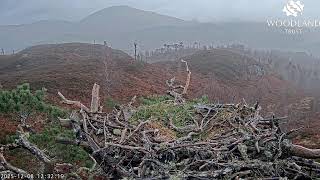
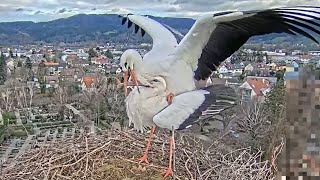
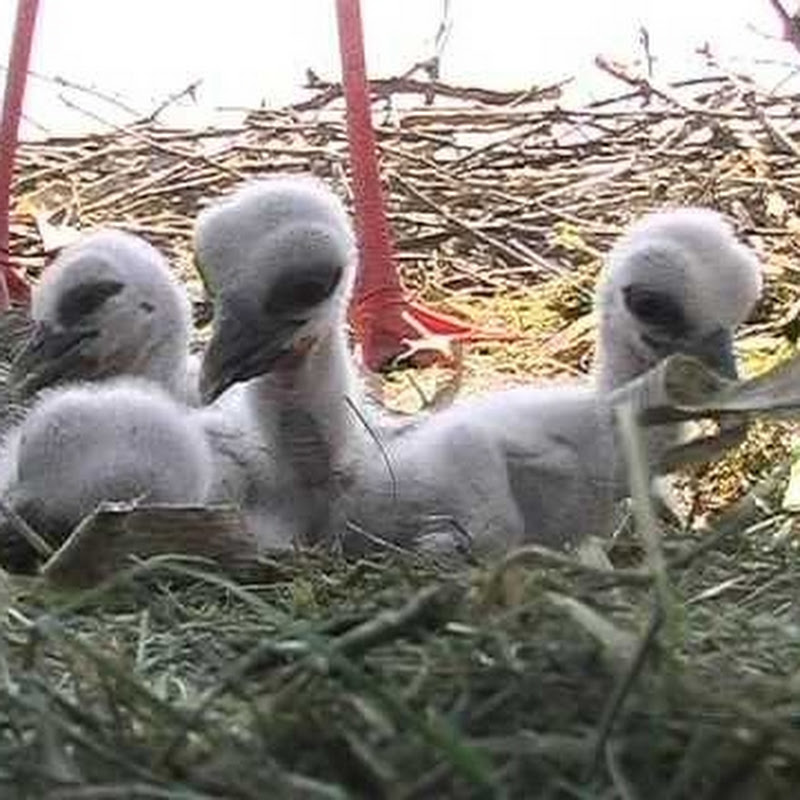
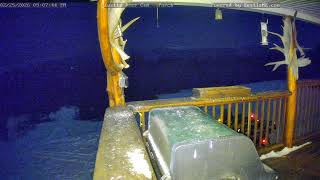
This live webcam offers a serene view of a black stork nest in Pärnu County, Estonia, nestled within the Avaste Nature Reserve. The reserve's diverse habitats—forests, fens, bogs, and meadows—provide an ideal environment for these elusive birds. The camera captures the daily life of the black storks, offering a glimpse into their nesting and feeding behaviors amidst the tranquil Estonian landscape.
Pärnu, Estonia
 EE
EE- Vana-Pärnu
- Pernau
- Пернов
Pärnu is a seaside city located in southwest Estonia, situated on the coast of Pärnu Bay, an inlet of the Gulf of Riga within the Baltic Sea. The Pärnu River drains into this bay at the city's location. It lies approximately 128 kilometres south of the capital Tallinn and 176 kilometres west of Tartu, serving as a significant urban center in the region.
The area's history includes Old Pärnu, founded by the bishop of Ösel–Wiek around 1251, which was destroyed circa 1600. The current city developed from Embeke, later known as Pernau, established by the Teutonic Order in 1265. It became a Hanseatic League member and an important ice-free harbor for Livonia before passing through Polish-Lithuanian, Swedish, and Russian control until Estonia's independence in 1918.
The city comprises seven districts: Ülejõe, Rääma, Vana-Pärnu, Kesklinn, Rannarajoon, Eeslinn, and Raeküla. Notable landmarks include the Pärnu Town Hall, built in 1797 with a later art nouveau addition, and the Tallinn Gate, the only surviving 17th-century city gate in the Baltic states. The Church of Jekaterina, completed in 1768, is noted as Estonia's most pure baroque church.
Pärnu is renowned as Estonia's Summer Capital since 1996 and a popular holiday resort with spas, rehabilitation centers, and large beaches. It hosts the annual Weekend Festival, the largest dance music festival in the Nordic and Baltic region, starting in 2015. The city also features a seawall with local legends and attracts tourists primarily from Estonia, Finland, and Sweden.
The population was 41,520 as of 2024. The economy benefits from the Port of Pärnu, an important regional harbor for south-western Estonia. Transport access includes Pärnu Airport, bus connections to major cities, and road links via Via Baltica. The city experiences a temperate humid continental climate, supporting its role as a health resort since the first bathing facility opened in 1838.
 The EARF Engine