

Ginowan, Okinawa, Japan
 JP
JP- Ginowan-shi
- 宜野湾市
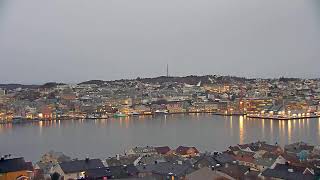
Ginowan is a city situated in Okinawa Prefecture, Japan, positioned on the western coast of the island along the East China Sea. It occupies a gently-sloping coastal terrace composed of Ryukyuan limestone in the southern part of Okinawa. The municipality borders Chatan to the west, Okinawa City to the north, Urasoe to the south, and Nishihara to the east. Administratively, it functions as a distinct urban entity within the prefecture, managing its own local government and municipal services.
The official founding of Ginowan as a separate administrative unit occurred in 1671 when thirteen settlements were separated from neighboring districts to form the Ginowan-magiri district. It gained village status in 1908 and was elevated to city status on July 1, 1962. The area suffered heavy damage during World War II, leading to significant American military occupation where half the city was allocated for bases. This period included the brief existence of Nodake City before its abolition in 1946.
Approximately thirty-eight percent of the city is occupied by United States military bases, including Marine Corps Air Station Futenma and parts of Camp Foster. The urban landscape includes seventeen wards and notable historic sites such as the Motobu Udun Tomb, designated a cultural property historical site in 2021. The geography is defined by its coastal terrace location and the presence of turtleback tombs studied for their relationship with the royal family, alongside various springs and cave sites recognized as cultural properties.
The city hosts the Okinawa Convention Center, which has accommodated numerous international conferences, and features the Okinawa Prefectural Ginowan Marina. Cultural attractions include the Ginowan Municipal Museum and the Sakima Art Museum. Visitors can explore historic sites like the Iri-mui inscription and the Ōyama Shell Mound. The area also preserves folk cultural properties such as the Hījā-gā spring and stone lions of Kiyuna, offering insights into local heritage and sacred sites.
As of 2021, the population was 99,256, though estimates for 2024 place it at 100,319 across 47,490 households. The economy has historically depended on the United States military, with agriculture declining post-war despite the continued production of taimo and cut flowers. Transportation is facilitated by Japan National Routes 58 and 330, which route around military bases, and the Okinawa Expressway connecting Nago to Naha along the eastern border.
 The EARF Engine