

Hamamatsu, Shizuoka, Japan
 JP
JP- Hamamatsu City
- 浜松市
Hamamatsu is a city situated in western Shizuoka Prefecture, Japan, serving as the prefecture's largest urban center. Geographically, it occupies a flat plain and the Mikatahara Plateau in the south, bordered by Lake Hamana to the west, the Tenryū River to the east, and the Pacific Ocean to the south. Located approximately 260 kilometers southwest of Tokyo, the city functions as a significant administrative and industrial hub within the region.
The area has been settled since prehistoric times, with Jōmon and Kofun period remains discovered locally. It became the capital of Tōtōmi Province during the Nara period and later served as the home of Tokugawa Ieyasu during the Sengoku period. Hamamatsu flourished as a castle and post town on the Tōkaidō highway during the Edo period, becoming a short-lived prefecture before merging with Shizuoka in 1876, and was officially designated a city in 1911.
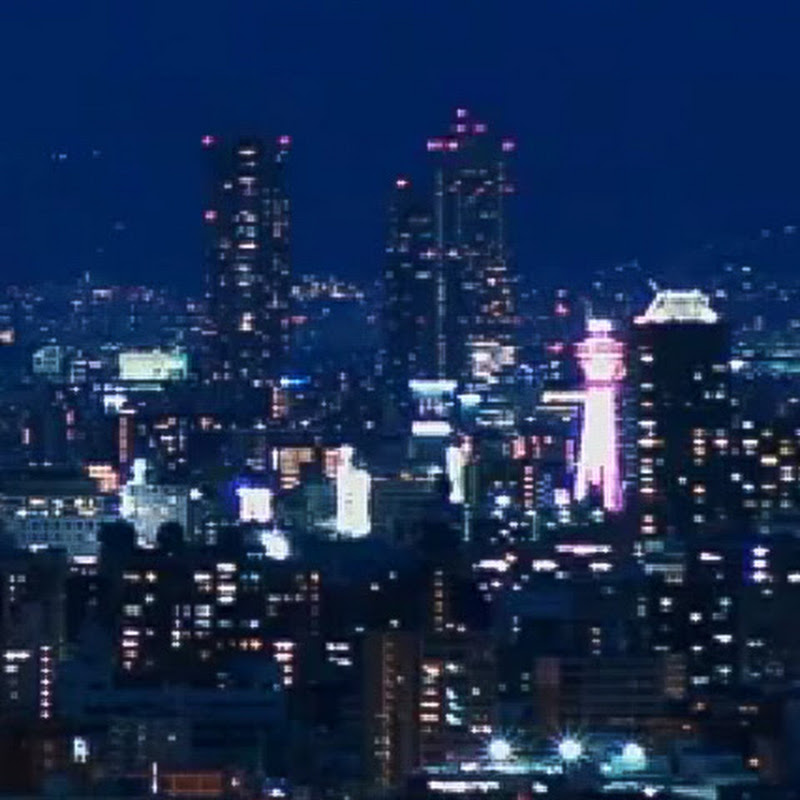
The city is characterized by its industrial heritage and diverse districts, having absorbed numerous surrounding municipalities in 2005. It is renowned for producing motorcycles, musical instruments, and optoelectronic sensors, hosting headquarters for major companies like Yamaha, Suzuki, and Honda. The urban landscape includes the Act City Tower and the Hamamatsu Museum of Musical Instruments, reflecting its status as a core city designated by the central government.
Hamamatsu offers a unique international cultural experience, particularly due to its large Brazilian Nikkei population, which once made it home to the largest such community in Japan. Visitors can explore ethnic stores and restaurants catering to diverse immigrant groups from South America and Asia. The city also hosts events like the Hamamatsu International Piano Competition and maintains strong ties to its musical instrument manufacturing legacy.
As of 2021, the population was recorded at 788,211, though estimates in September 2023 placed it at 780,128. The Greater Hamamatsu area boasts a GDP of US$54.3 billion, supported by its manufacturing sector. Transportation relies on the Tōkaidō Shinkansen and JR lines, with Shizuoka Airport being the nearest commercial airport. The climate features humid subtropical conditions in the south and harsher weather with foehn winds in the north.
 The EARF Engine