

The Grand Ring
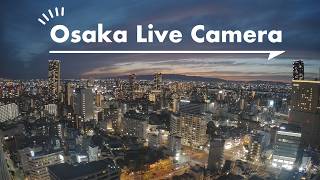
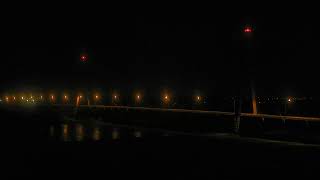
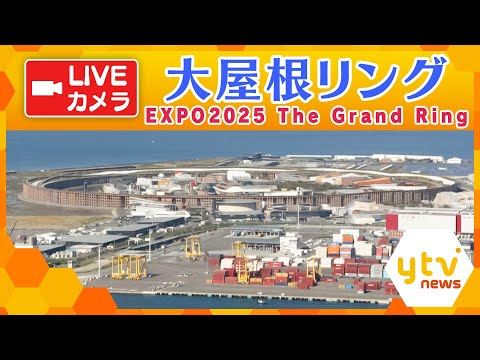
This live webcam shows the impressive Grand Ring (Expo 2025 Osaka) in Osaka, Japan, the monumental wooden landmark created for the World Expo 2025. Its vast circular design rises prominently above the expo grounds, forming elevated walkways and open public spaces constructed almost entirely from timber. From this vantage point, the structure also overlooks the harbour area along Osaka Bay, adding a scenic waterfront backdrop to the modern architecture. Recognised by Guinness World Records as the largest wooden architectural structure in the world, it offers a real-time view of this striking coastal venue.
Osaka, Japan
 JP
JP- Osaka City
- Ōsaka-shi
- 大阪市
Osaka is a designated city in the Kansai region of Honshu, Japan. It serves as the capital and most populous city within Osaka Prefecture. Geographically, it sits on the Uemachi Plateau, which historically formed a peninsula separating Kawachi Bay from the Seto Inland Sea. The city is the largest component of the Keihanshin metropolitan area, recognized as the second-largest metropolitan area in Japan.
The area was inhabited during the Jōmon period, with settlements appearing near the Morinomiya ruins. By the Kofun period, it developed into an important regional port known as Naniwa-tsu. It briefly served as the imperial capital under Emperor Kōtoku in 645 and again under Emperor Shōmu from 744 to 745. The name Ōsaka gained prominence over Naniwa, with the kanji 阪 becoming official in 1868 after the Meiji Restoration.
The city is administratively divided into 24 wards, though common usage distinguishes districts like Umeda and Dōtonbori. Landmarks include Osaka Castle, constructed by Toyotomi Hideyoshi in 1583, and Shitennō-ji, one of Japan's oldest Buddhist temples founded in 593 CE. Other notable sites are the Osaka Aquarium Kaiyukan, Tsūtenkaku tower, Sumiyoshi Taisha Grand Shrine, and Abeno Harukas skyscraper.
Osaka is known for its multicultural and cosmopolitan character, often described as Japan's economic hub and Nation's Kitchen during the Edo period. The local culture emphasizes extravagance in food and drink, encapsulated by the rallying cry kuidaore. It remains a major center for research and development, hosting institutions like Osaka University and the headquarters of multinational corporations such as Panasonic and Sharp.
The city proper had a population of 2,751,862 as of 2021. It functions as a major financial center with the Osaka Exchange and contributes significantly to urban planning standards. The metropolitan area supports over 19 million inhabitants. Its economy historically relied on rice trading and industrialization, evolving into a global hub for electronics and finance in the postwar period.
 The EARF Engine