

Shibuya Inokashira-dori
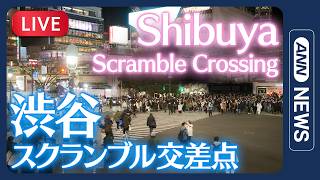
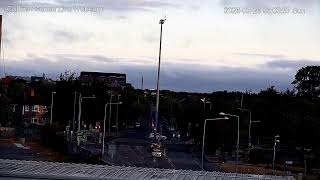
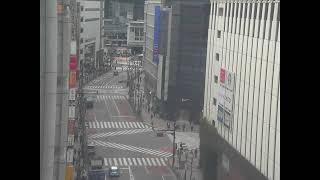
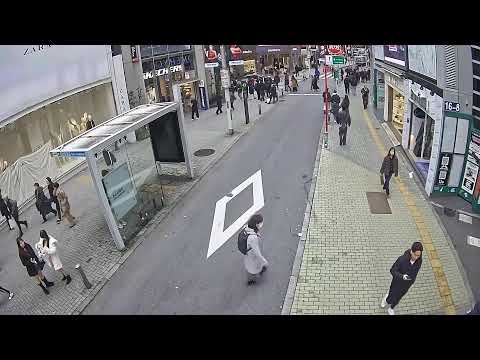
This live camera in Shibuya, Tokyo, Japan, shows Inokashira-dori near the entrance to Center-gai, one of the city’s most popular pedestrian streets. The view overlooks the busy shopping and entertainment area, capturing the movement, lights, and atmosphere of downtown Shibuya.
Shibuya-ku, Tokyo Prefecture, Japan
 JP
JP- Shibuya
- Shibuya ward
- 渋谷区
Shibuya-ku is a special ward located in Tokyo, Japan, situated within the broader metropolitan region of the country. It functions as a major commercial center and administrative division within the City of Tokyo. The ward covers a total area of 15.11 square kilometers and serves as a key hub for both residential living and business activities in the capital.
The area came into the possession of the Shibuya clan in the early 1160s, after which it received its name. Following the defeat of this clan by the Later Hōjō clan in 1524, the region passed under new control. It was incorporated as a ward in the City of Tokyo on October 1, 1932, and later became an urban special ward under the Local Autonomy Act in 1947.
Notable neighborhoods within the ward include Harajuku, Ebisu, Omotesandō, Yoyogi, and Sendagaya. The area is internationally recognized for landmarks such as the Shibuya Crossing, described as the busiest pedestrian crossing in the world, and the statue of Hachikō. The panoramic view from Shibuya Scramble Square and the historic Konnō Hachimangu Shrine are also significant features of the local landscape.
Shibuya emerged as a hub for youth culture in the 1970s, overtaking Shinjuku in this role. It is known for its vibrant shopping districts and nightlife, particularly in the Ebisu area. The ward was the first Japanese municipality to issue same-sex partnership certificates in 2015, promoting gender equality and diversity, which adds to its cultural appeal for visitors seeking inclusive environments.
As of January 1, 2024, the estimated population is 230,609. The ward is accessible via major railway lines including the Tokyu Toyoko Line and JR Yamanote Line, with direct train services from Narita Airport available. Large-scale redevelopment around Shibuya Station has been underway since 2010, with completion scheduled for fiscal year 2034, enhancing its status as a modern commercial destination.
 The EARF Engine