










Caniçal, Madeira, Portugal
 PT
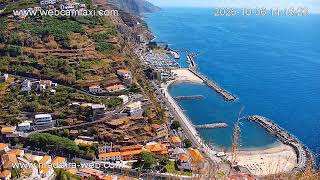
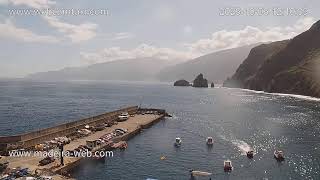
PTCaniçal is a civil parish located within the municipality of Machico on the Portuguese island of Madeira. Situated in the Atlantic Ocean, it occupies a strategic position equidistant from Funchal and Santana, with each center lying twenty kilometers away. The community is physically connected to these larger urban centers via the Regional 109 roadway, facilitating travel across the island's landscape.
The area's early history involves its use as a hunting preserve for wealthy landowners, noted for abundant wildlife including rabbits and wild boar. The first inhabited zone emerged on the south-central coast near Ponta de São Lourenço, where farms were established in 1489. A chapel was constructed by regal charter in 1527 due to the community's isolation, and the parish was formally established in 1561 with only fifteen couples.
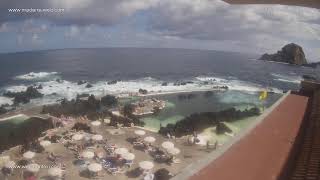
Geographically, Caniçal is bordered by Machico to the west and surrounded by the Atlantic Ocean elsewhere. The terrain features escarped western borders reaching 800 meters, while residential areas sit on a gently sloping central plain. To the east, the land extends into a narrow isthmus at Ponta de São Lourenço, where vegetation is limited to sparse grasses compared to the forested mountains.
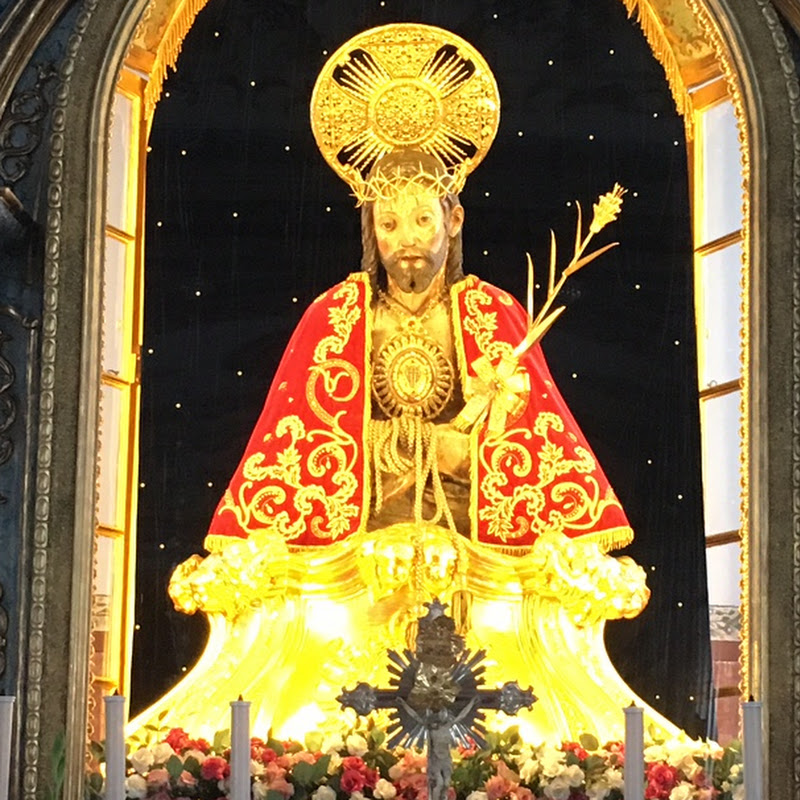
The parish developed military infrastructure in the mid-1700s under the Marquess of Pombal, including a port and arsenal to protect against pirate attacks from the Barbary Coast. Religious heritage includes the Chapel of São Sebastião, which served as the parish seat after being rebuilt following destruction by pirates and earthquakes. Annual processions honoring Nossa Senhora dos Pescadores reflect the community's maritime traditions.
Caniçal serves as the principal cargo port for Madeira, having replaced Funchal in 2007 for shipping operations. The economy relies on agriculture, fishing, and extensive port facilities for containers and bulk shipping. As of 2021, the population was 3,548. Local sports include CF Caniçal, which competes in the Portuguese Second Division, while the area remains a key hub for transinsular cargo vessels.
 The EARF Engine