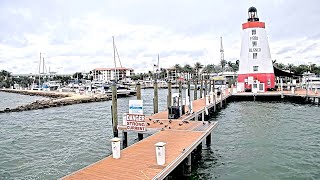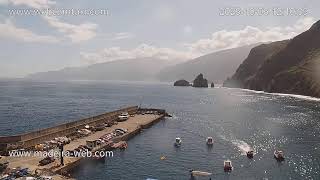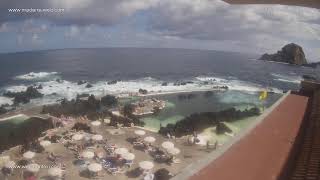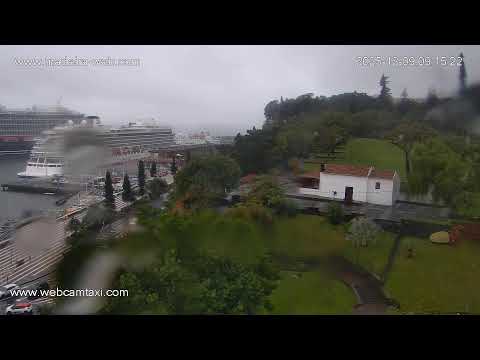


Funchal, Madeira, Portugal
 PT
PT- Funchal Municipality
- Município do Funchal
- Capital of Madeira
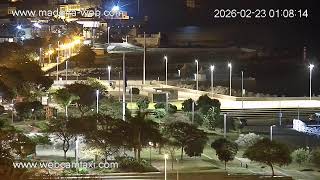
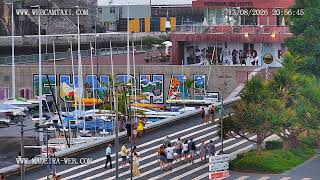
Funchal is the capital, largest city, and a municipality in Portugal's Autonomous Region of Madeira. Officially known as the City of Funchal, it sits on the southern coast of the island, bordered by the Atlantic Ocean within a natural amphitheatre-shaped valley. The urbanized core rises from gentle coastal slopes to 1200 metres, providing natural shelter for early settlers. It serves as the administrative seat and main city of the autonomous region, positioned between Santa Cruz and Câmara de Lobos.
The settlement began between 1420 and 1425 when João Gonçalves Zarco founded the area with his family. Elevated to a vila in the mid-15th century and later to a city by King Manuel I in 1508, Funchal became a vital maritime port and industrial centre for the sugar industry. The name derives from the abundant wild fennel found there. It also served as an important stop-over for caravels travelling between the Indies and the New World during the 16th century.
The city features a historic urban core with merchant homes, wine-cellars, and towers monitoring the harbour. Notable sites include the Sé Cathedral, completed in 1514, and the Paços do Concelho. The municipality includes the Ilhas Selvagens nature reserve located 294 km south. Funchal's architecture reflects its commercial history, with many three-floor homes built by a merchant class that populated the urban quarters during the expansion of viticulture.
Funchal is one of Portugal's main tourist attractions due to its high cultural and historical value. It is popular as a destination for New Year's Eve and is the leading Portuguese port on cruise liner dockings. The city attracted notable visitors like Queen Adelaide, Winston Churchill, and Charles I of Austria, who sought its gentle climate for health reasons. This presence established Funchal as a center of tourism and therapeutic health supported by hotels and ocean-front residences.
The city has a population of 105,795 as of 2021, making it the sixth largest in Portugal. It has a subtropical hot-summer Mediterranean climate with an annual average temperature of 20.0 °C. Access is provided by Cristiano Ronaldo Madeira International Airport and highway ER101. The economy relies on tourism, viticulture, and its role as a major international tourist destination supported by a series of hotels and ocean-front residences.
 The EARF Engine