







Belgrade, Serbia
 RS
RS- Beograd
- Белград
- Singidunum
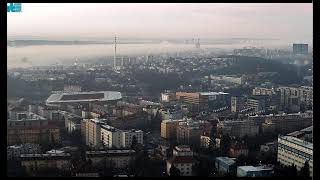
Belgrade is the capital and largest city of Serbia, a landlocked country in Southeastern Europe. It is situated at the confluence of the Sava and Danube rivers, where the Pannonian Plain meets the Balkan Peninsula. The city's strategic location has made it a significant cultural, economic, and transportation hub throughout history.
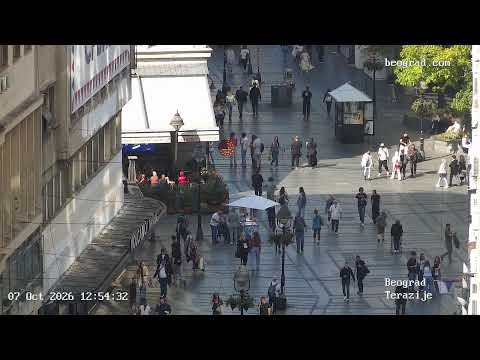
Belgrade is classified as a city and a municipality, with a population of over 1.1 million residents within its administrative limits. The city is divided into 17 municipalities, each with its own local government. Belgrade's urban landscape is characterized by a mix of modern and historic architecture, with many preserved buildings from the 19th and 20th centuries.
The city has a rich cultural heritage, with numerous museums, galleries, and performance venues. The National Museum of Serbia, the Museum of Contemporary Art, and the Belgrade Theatre are just a few examples of the city's vibrant cultural scene. Belgrade is also home to the University of Belgrade, one of the largest and most prestigious universities in Southeastern Europe.
Throughout its history, Belgrade has been an important center of trade, commerce, and politics. The city has been ruled by various empires and dynasties, including the Romans, the Ottomans, and the Austro-Hungarians, each leaving their mark on the city's architecture, culture, and identity. Today, Belgrade continues to be a significant urban center in the region, with a growing economy and a rich cultural life.
 The EARF Engine