









Chiyoda-ku, Tokyo, Japan
 JP
JP- Chiyoda
- Chiyoda ward
- Chiyoda City
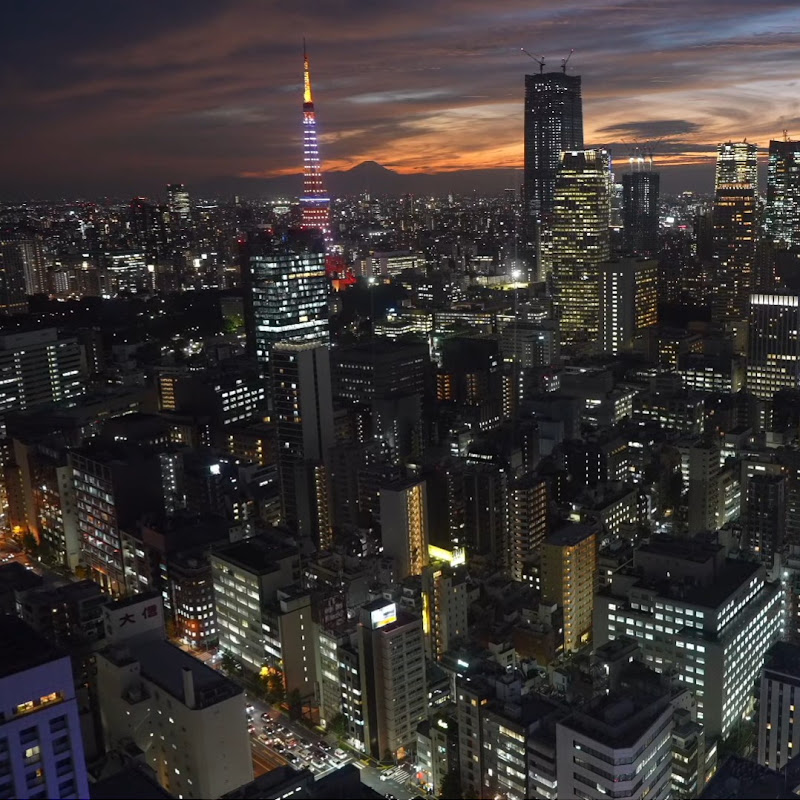
Chiyoda-ku is a special ward located in the heart of Tokyo, Japan, serving as the political and financial center of the nation. Officially known as Chiyoda City in English, it sits within the 23 special wards that comprise the metropolis. The ward occupies the tip of the Musashino plateau in eastern mainland Tokyo, with its central area dominated by the Imperial Palace and a surrounding radius of approximately one kilometer. This strategic positioning places it at the core of Tokyo's traditional upper-class residential Yamanote district, distinguishing it from other municipal areas through its unique administrative role and geographic centrality.
The ward was formed in 1947 through the merger of the Kanda and Kōjimachi wards following Tokyo City's transformation into Tokyo Metropolis. Its name derives from Chiyoda Castle, the former name for Edo Castle, which translates literally to "field of a thousand generations." The area has witnessed significant historical events, including the 1860 assassination of Ii Naosuke outside the Sakurada Gate, the 1932 killing of Prime Minister Inukai Tsuyoshi, and the 1936 February 26 Incident. Later history includes the 1960 assassination of Socialist Party leader Inejirō Asanuma and the 1995 Tokyo subway sarin attack by Aum Shinrikyo members.
Chiyoda exhibits contrasting Shitamachi and Yamanote geographical divisions, with the Kanda area representing the original commercial center and Kōjimachi reflecting upper-class residential zones. Notable districts include Otemachi, Marunouchi, and Yurakucho, which house the headquarters of 19 Fortune 500 companies and form the economic hub known colloquially as "Daimaruyu." The ward contains prestigious neighborhoods such as Banchō, Kōjimachi, and Kioichō, alongside major landmarks like the National Diet Building, the Supreme Court, and Yasukuni Shrine. The Imperial Palace grounds occupy roughly 22% of the total area, while the east side borders Chūō with Tokyo Station and the south borders Minato with Hibiya Park.
The ward serves as the nerve center for Japan's government, hosting the Prime Minister's Official Residence and numerous ministries in Kasumigaseki. It is home to significant cultural sites including the Nippon Budokan, the National Museum of Modern Art, and the Tokyo International Forum. The Kanda area contains the famous Akihabara electronics district, while the western parts feature exclusive residential zones with embassies from countries such as Belgium, the UK, and Israel. The contrast between the commercial intensity of Otemachi and the historic prestige of Kōjimachi defines the local character, offering visitors a mix of political history, high-end retail, and traditional shrines.
As of October 2020, the ward had a population of 66,680, with a density of 5,709 people per square kilometer, making it the least populated special ward. However, its day population reaches approximately 850,000, resulting in the highest day-to-night population ratio of any municipality in Japan. The total area is 11.66 square kilometers, with Tokyo Station serving as the main inter-city rail terminal and the busiest in Japan by scheduled trains. The ward's economy is robust, with its key districts contributing roughly 10% of the combined revenue of all Japanese companies, supported by a direct election system for its mayor and city assembly.
 The EARF Engine