

Daxi, Taoyuan, Taiwan
 TW
TW- Daxi District
- Daxi Township
- Dasi
Daxi District is an administrative division located in eastern Taoyuan City, Taiwan. It sits at coordinates 24.8806 north latitude and 121.2871 east longitude within the region. The area functions as a district within the larger municipal structure of Taoyuan. Its strategic position has historically linked it to transportation networks connecting Taipei with southern regions.
The area was originally inhabited by the Atayal people for several thousand years, who named the local river Takoham. Eighteenth-century Han settlement in the Taipei Basin prompted many Atayal families to relocate, though some remained and mingled with newcomers. The settlement became an important trading post in the nineteenth century, particularly after the wealthy Lin Ben Yuan Family fled there in 1803.
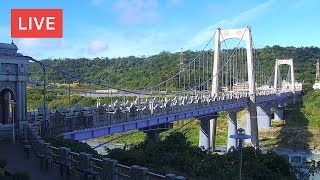
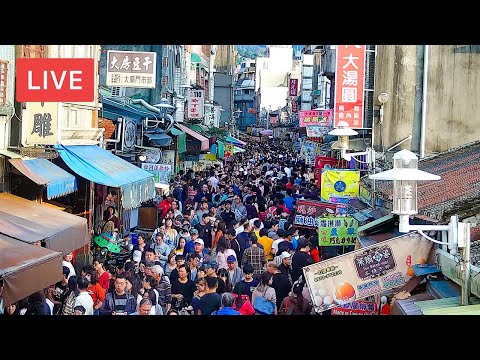
The district features a mix of historical architecture and modern administrative zones. Notable sites include Daxi Old Street, where many original shops still exist, and the Daxi Wood Art Ecomuseum. The area is also home to the mausoleums of Chiang Kai-shek in Cihu and his son Chiang Ching-kuo in Touliao. Other landmarks include the Daxi Bridge, Furen Temple, and the Presbyterian Church of Daxi.
Daxi is known for its cultural heritage and local cuisine, particularly Daxi dried tofu, a popular ingredient in Taiwanese cooking. The town hosts the Daxi Dried Tofu Festival annually to celebrate this tradition. Visitors are drawn to attractions such as the Mei-hwa Spinning Top Museum, Taoliao Lake, and the Daxi Health Herb Garden. The area was named one of the Top 10 Small Tourist Destinations by the Tourism Bureau of Taiwan in March 2012.
The population of Daxi District is 93,553 as of 2026. The local economy includes the headquarters of Kimlan Foods and a history of wooden furniture production. Transportation access is provided by National Highway No. 3, Provincial Highway No. 66, and various bus routes from Taoyuan, Zhongli, and Taipei. The climate supports year-round tourism with distinct seasonal variations.
 The EARF Engine