










Rio Grande
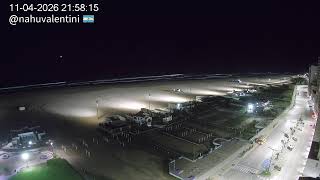
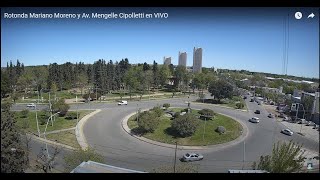
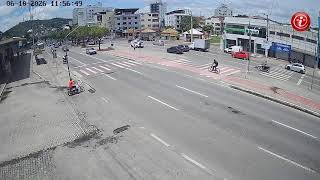
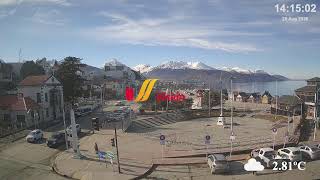
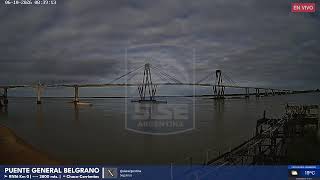
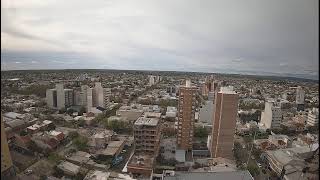
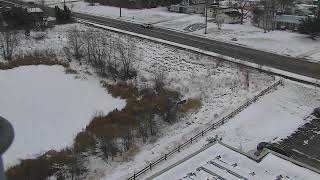
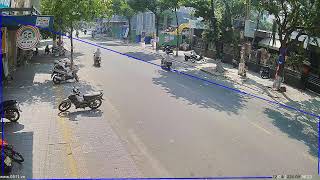
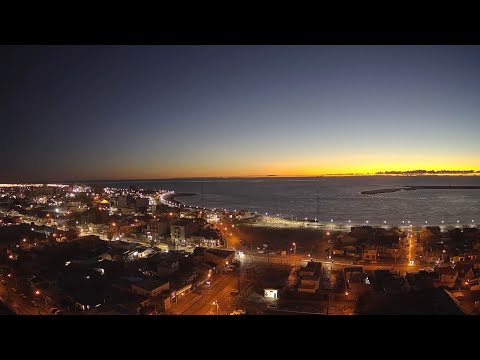
This live stream captures the cityscape of Río Grande, located in the windswept Tierra del Fuego province at the southern edge of Argentina. Set along the shores of the Atlantic Ocean, Río Grande is known for its dramatic skies, rugged coastal beauty, and strong Patagonian identity. The city plays a key role in Argentina’s industrial and technological sectors, while also offering a gateway to the natural wonders of Tierra del Fuego. Whether it’s the shifting weather, quiet streets, or expansive skies, this webcam offers a real-time glimpse into life at the end of the world.
Río Grande, Tierra del Fuego, Argentina
 AR
AR- Rio Grande, Tierra del Fuego
Río Grande is a city located in Argentina on the north coast of the eastern part of Isla Grande de Tierra del Fuego. It serves as the industrial capital of the Tierra del Fuego Province, distinguishing itself within the region's administrative and economic landscape. The city sits at coordinates -53.7833, -67.7000, positioned 212 kilometres north-east of Ushuaia, which is the provincial capital. Its location on the eastern coast provides it with significant geographical prominence in the southernmost part of the country.
The settlement's origins are tied to sheep farming, a primary driver for population growth in Patagonia during the late 19th century. Abundant rivers, seacoast access, and good pastures fueled this expansion. Río Grande was officially founded on 11 July 1921, when the central government issued a decree recognizing the locality as the Agricultural Colony of Río Grande. Initially, land was subdivided among families owning large estates until an agrarian reform in 1925 shifted the focus toward cattle raising and broader industrial development.
The city's character is defined by its role as a manufacturing hub rather than traditional tourism landmarks. While the source material contains conflicting data regarding Puerto Rico, the factual entry for this Argentine city focuses on its industrial infrastructure. The urban area is shaped by its history of agrarian reform and subsequent shift toward electronic product manufacturing. This economic transition has altered the physical and social landscape, creating a modern industrial environment distinct from its agricultural past.
Visitor appeal is largely driven by the unique climate and industrial tourism rather than cultural festivals or historic districts. The city experiences a subpolar oceanic climate with cool temperatures year-round, bordering on subantarctic conditions. This rare climate for the Southern Hemisphere offers visitors extreme weather phenomena, including frost throughout the year and dramatic variations in daylight hours. Winter days may have as few as seven hours of sunlight, while summer days stretch to seventeen hours.
Río Grande has a population of 98,017, serving as a key demographic center for the province. The economy benefits from tax exclusions that attract manufacturing companies, particularly in electronics and netbook production. Hermes Quijada International Airport serves the city, providing essential transport links. The climate features mean temperatures of −0.3 °C in the coldest month, making it the city with the coldest mean monthly temperature among those in Argentina, with precipitation averaging 330 millimetres annually.
 The EARF Engine