




Mornington harbour
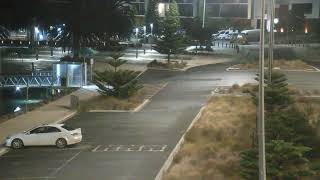
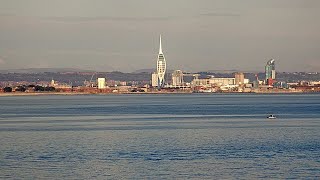
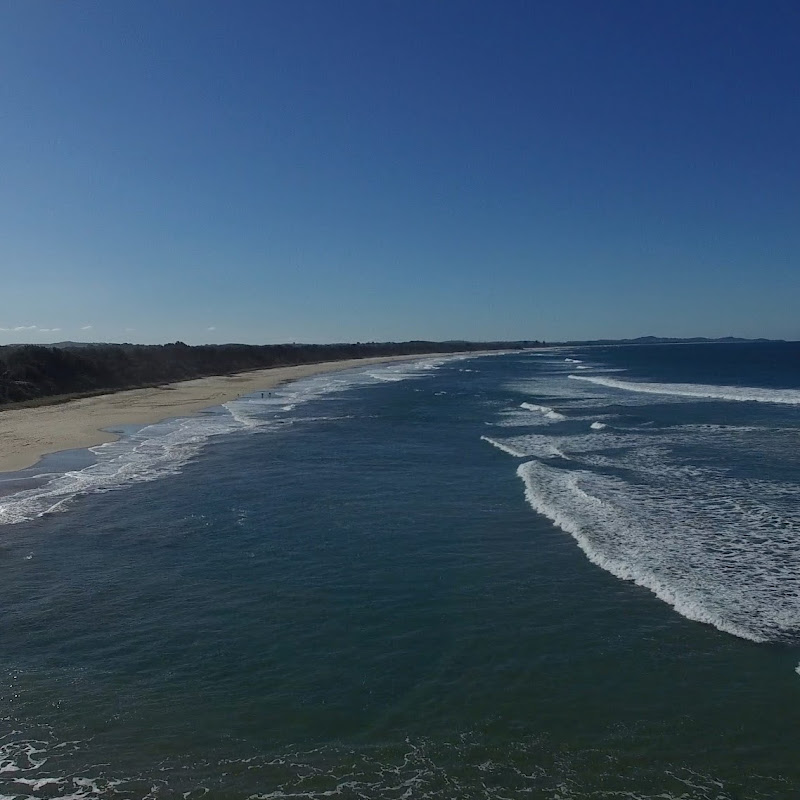
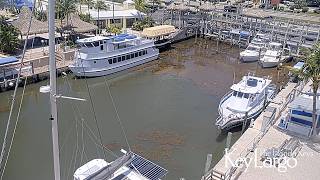
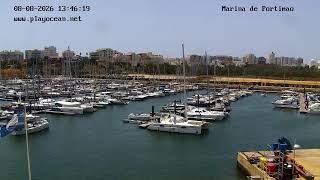
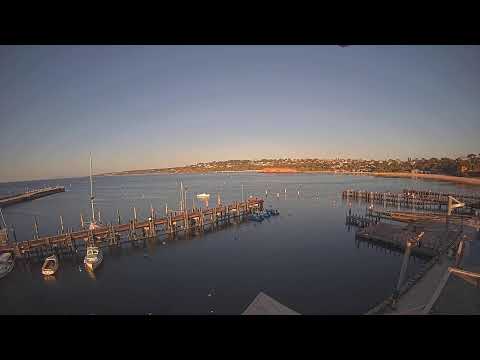
This live stream shows Mornington Harbour on the Mornington Peninsula, Victoria, overlooking the calm waters of Port Phillip Bay. The view captures the iconic pier, harbour activity, and the surrounding coastal atmosphere in real time. Watch boats come and go, observe changing weather and sea conditions, and enjoy a peaceful look at one of Australia’s most well-known seaside locations. Popular for fishing, boating, and waterfront visits, Mornington Harbour offers a constant flow of activity throughout the day.
Melbourne, Victoria, Australia
 AU
AU- Naarm
- Narrm
Melbourne is the capital and most populous city of the Australian state of Victoria, situated on the northern and eastern coastlines of Port Phillip Bay. It serves as the administrative centre for the City of Melbourne local government area, led by Lord Mayor Nicholas Reece, which encompasses the central business district and immediate surrounds. The broader metropolitan area comprises an urban agglomeration of 31 local government areas within a 9,993-square-kilometre region. As the second-most populous city in Australia, it holds significant political and economic weight in the Asia-Pacific region.
The area has been inhabited by Aboriginal Victorians for over 40,000 years, with the Boonwurrung, Woiwurrung, and Wurundjeri peoples as traditional custodians. British colonisation began with a penal settlement in 1803, followed by free settlers from Van Diemen's Land in 1835. Named after Prime Minister William Lamb in 1837, Melbourne was declared a city by Queen Victoria in 1847 and became the capital of the Colony of Victoria in 1851. The subsequent gold rush transformed it into one of the world's wealthiest metropolises before it served as Australia's interim federal capital until 1927.
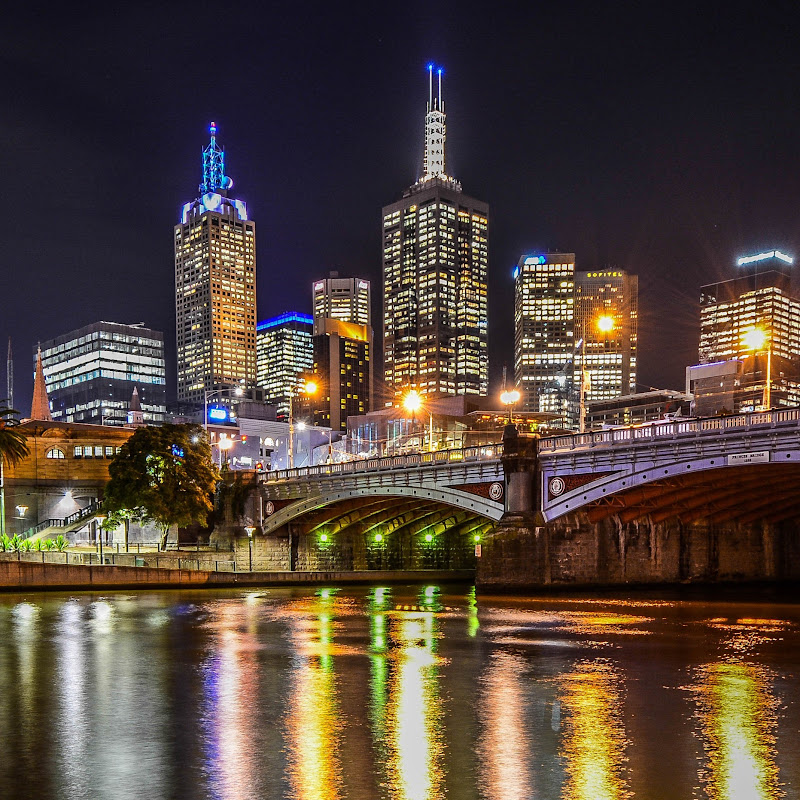
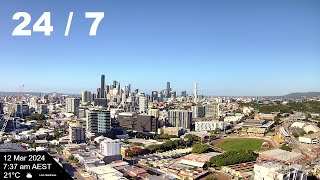
The city features an eclectic architectural blend of Victorian era structures, such as the World Heritage-listed Royal Exhibition Building, alongside a large modern skyline. Key landmarks include the Melbourne Cricket Ground and the National Gallery of Victoria. It is noted for its cultural heritage, having given rise to Australian rules football, Australian impressionism, and Australian cinema. The urban landscape is defined by extensive parks, street art, and a vibrant live music and theatre scene that attracts visitors from around the globe.
Melbourne is culturally diverse, hosting major annual sporting events like the Australian Grand Prix and the Australian Open, as well as the 1956 Summer Olympics. It is recognized for its multicultural population, including significant Greek and Italian communities, and consistently ranks among the world's most livable cities. The city offers extensive shopping, museums, galleries, and theatres, serving as a base for exploring nearby attractions such as the Great Ocean Road and Phillip Island. Its reputation for quality of life has been affirmed by international rankings in recent years.
As of 2024, the population is 5,350,705, with the city proper reaching 5.435 million by June 2025. It is a leading financial centre, ranking 28th globally in the 2024 Global Financial Centres Index. Transport infrastructure includes Melbourne Airport, the nation's busiest seaport at the Port of Melbourne, and Australia's largest urban tram network. The city is currently the southernmost city in the world with a population exceeding one million, supported by extensive freeway and rail networks connecting its districts.
 The EARF Engine