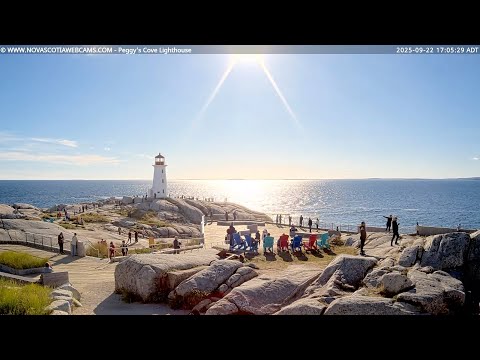


Peggy’s Cove Lighthouse
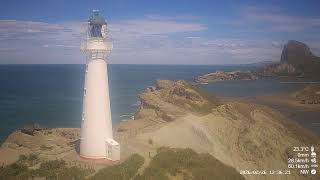
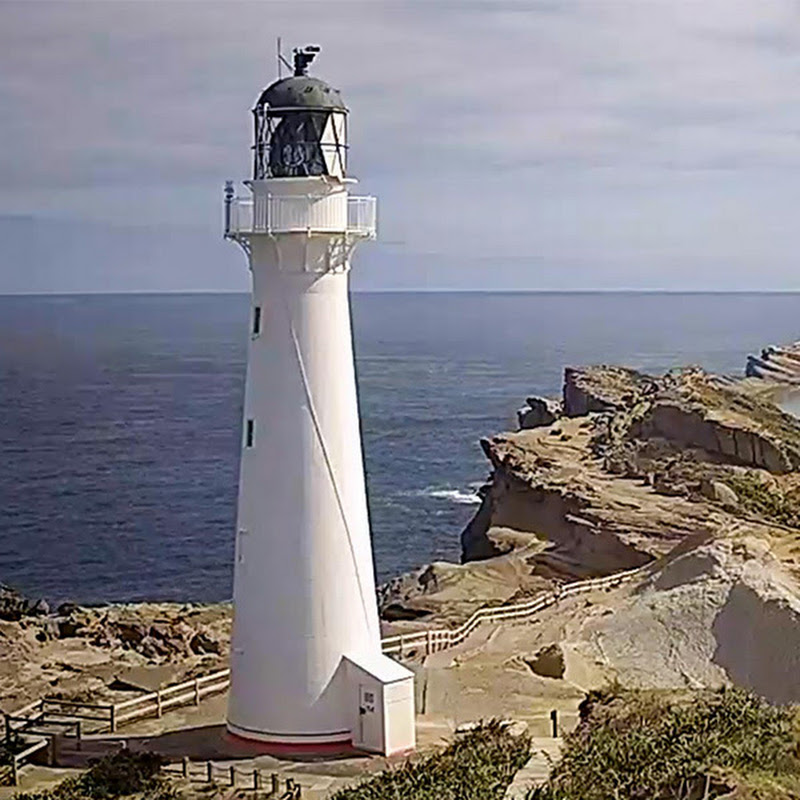
This live stream showcases the iconic Peggy’s Cove Lighthouse, one of Canada’s most photographed coastal landmarks. Perched on rugged granite rocks overlooking the Atlantic Ocean, the lighthouse offers stunning views of crashing waves, dramatic skies, and the fishing village surrounding the cove. Watch the shifting weather and ocean conditions as this historic beacon continues to guide visitors and boats along Nova Scotia’s shoreline.
Peggys Cove, Nova Scotia, Canada
 CA
CA- Peggy's Cove
- Peggy's Cove, N.S.
- Peggys Cove, NS
Peggys Cove is a small rural community situated on the eastern shore of St. Margarets Bay within the Halifax Regional Municipality in Nova Scotia, Canada. Located approximately forty-three kilometres southwest of Downtown Halifax, it comprises one of numerous fishing communities around the Chebucto Peninsula. The village marks the eastern point of the bay and sits near Peggys Point, sharing its name with the surrounding cove and geographical features.
The first recorded name for the area was Eastern Point Harbour in 1766, with the village likely named after Saint Margaret's Bay or a local legend involving a shipwreck survivor. Founded in 1811 through a land grant to six German families, the population peaked at about three hundred in the early 1900s. The Peggys Cove Commission Act of 1962 declared the area a preservation zone, prohibiting most development to protect its rugged beauty and restrict infrastructure changes.
The community is defined by its historic Carpenter Gothic St. John's Anglican Church and the iconic Peggys Cove Lighthouse, established in 1868. The landscape features Devonian granite boulders and scoured bedrock formed by ancient glaciers. Sculptor William E. deGarthe created a large granite monument depicting fishermen and their families in the nearby provincial park. The area also includes the site of the Swissair Flight 111 crash memorial.
Tourism overtook fishing as the primary economic driver after the Second World War, drawing visitors to view the lighthouse and rugged coastline. The community maintains a rustic appearance with strict land-use regulations preventing property value inflation for residents. Cultural attractions include the William E. deGarthe gallery and early public art spaces. The area is known for its scenic ocean views, stormy weather photography opportunities, and marine wildlife observation.
The population is currently smaller than its historical peak, with specific recent figures not provided in the source text. The economy relies on both lobster fishing and tourism, supported by visitor centers and boat tours. Access is via Highway 333 from Halifax, with no public transport available directly to the village. Summer ocean temperatures range between twelve and twenty degrees Celsius, while winter waters drop significantly, moderating the local air temperature year-round.
 The EARF Engine