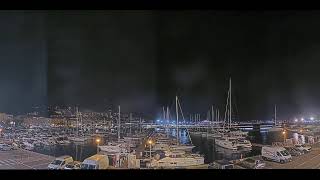

Patitiri Port
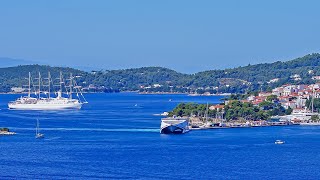
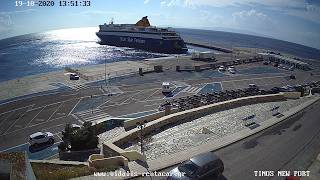
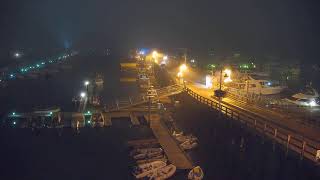
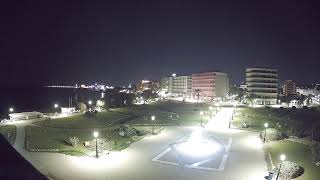
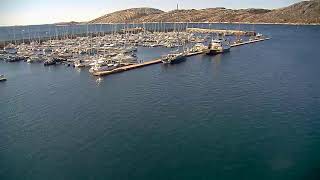
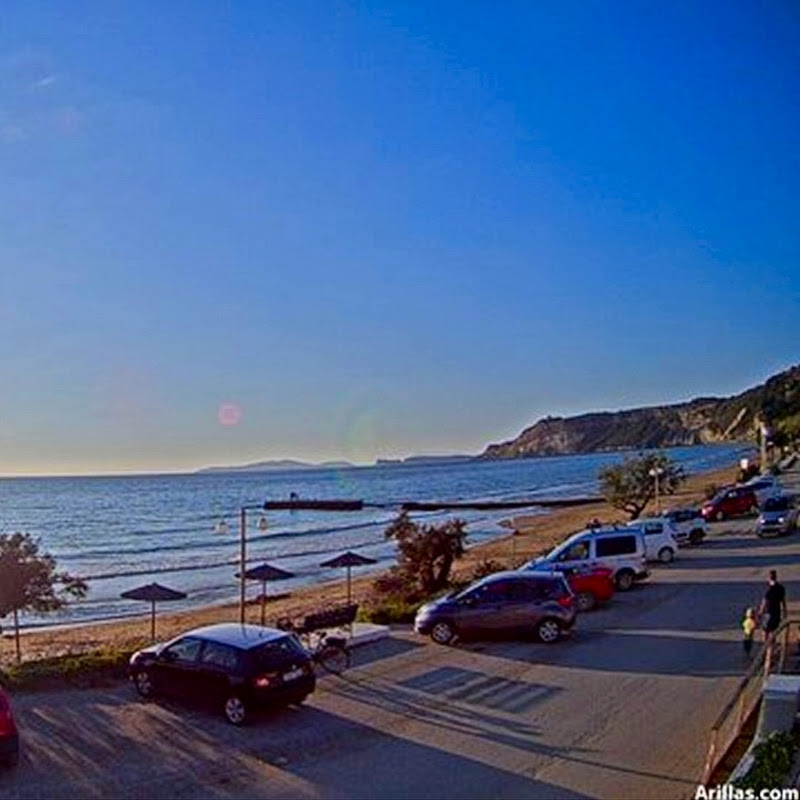
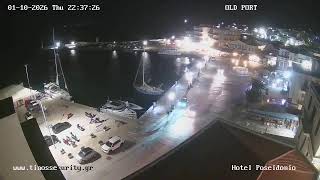
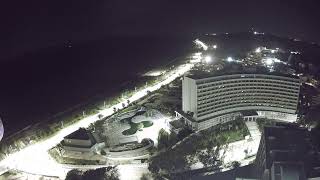
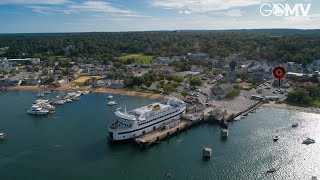
This live stream shows Patitiri Port, the main port and capital of the Greek island of Alonnisos in the Sporades archipelago, Thessaly. Named after the Greek word for "wine-press" due to the island's historic wine production, this picturesque harbor town was rebuilt after the devastating 1965 earthquake. The port features colorful buildings set against green hillsides, traditional tavernas along the waterfront, and serves as the main ferry connection to mainland Greece and neighboring islands.
Alonnisos, Thessaly, Greece
 GR
GR- Alonissos
- Αλόννησος
Alonnisos is a Greek island situated in the Aegean Sea, positioned east of mainland Greece and Magnesia, northeast of Euboea, and northwest of Skyros. It forms the third member of the Northern Sporades archipelago, located just three kilometers east of Skopelos. The municipality encompasses the main island along with several smaller nearby islands, including Adelfoi, Gioura, Kyra Panagia, Peristera, Piperi, Psathoura, and Skantzoura. This administrative unit covers a total land area of 129.607 square kilometers, serving as the central governance for this cluster of islands in the region.
The island was historically known as Liadromia during the Middle Ages until it was renamed in 1838. This change occurred because the island was mistakenly identified with Halonnesus of Antiquity, whereas ancient Greeks referred to it as Icus or Ikos. The area has a long history of colonization by Cnossians and mentions in ancient texts regarding fleets sailing past Scyrus. In 1992, the Alonnisos Marine Park was established to protect the local ecosystem, particularly the Mediterranean monk seal population, marking a significant shift toward conservation and environmental protection.
The main village of Alonnisos, locally known as Chora or the Old Village, sits on the southern part of the island. It is set high on a hill, approximately two kilometers from the port of Patitiri, featuring closely constructed houses with stone walls that were once centered around a small fortress. The island's geography includes a widest point of 4.5 kilometers and a longest stretch of 20 kilometers, composed mostly of limestone. Other notable settlements include Agios Petros, Steni Vala, and the abandoned village of Marpounta, with beaches consisting primarily of pebbles around the coastline.
Tourism has become the main industry, drawing visitors to the restored old village and the romantic anchor bays of the surrounding islands. The island is noted for being the least touristed in the Sporades, offering a relatively unspoiled experience compared to its neighbors. Cultural attractions include the Historical & Ethnographic Museum of Alonnisos, which preserves local heritage. The natural environment supports abundant pine trees and mixed farming, while the marine park provides opportunities to observe wildlife, including monk seals, in their natural habitat.
The population was recorded as 3,138 inhabitants in the 2021 census, with only thirty-three people living on the other islands. The economy relies on tourism, agriculture producing almonds, grapes, figs, and olives, and fishing. Access is primarily by ferry or hydrofoil from Patitiri to Volos, Agios Konstantinos, Skiathos, Skopelos, and Skyros, with no airport on the island itself. Summers are long and hot, while winters are mild, making spring and autumn suitable for visitors seeking cooler weather.
 The EARF Engine