







Tinos Island Port
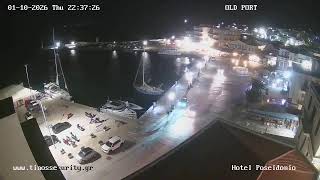
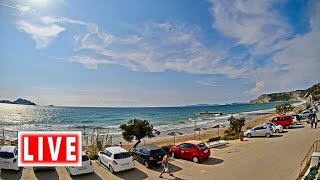
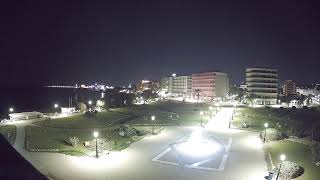
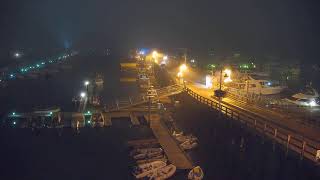
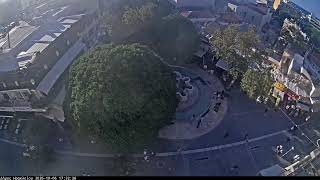
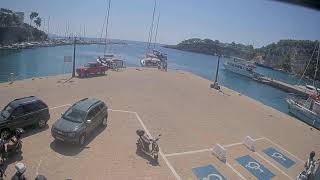
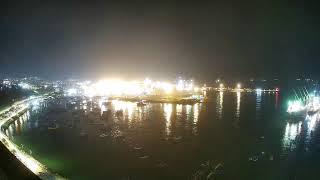
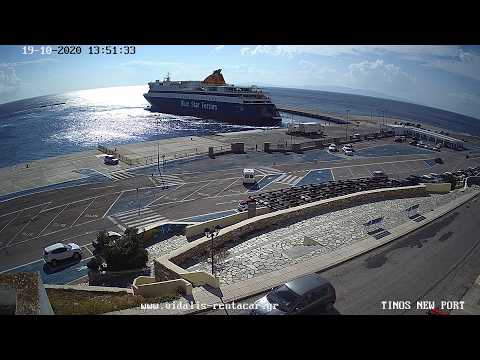
This live stream shows the main port of Tinos (also called Chora or Tinos Town), the capital of this Cycladic island in the South Aegean. Located in the northern Cyclades between Andros and Mykonos, the port serves as the main ferry gateway connecting to Athens (Piraeus and Rafina) and neighboring islands. The harbor is dominated by the famous Church of Panagia Evangelistria, visible on the hillside above, Greece's most important pilgrimage site housing a miraculous icon of the Virgin Mary.
Tinos, South Aegean, Greece
 GR
GR- Tenos
- Τήνος
Tinos is a Greek island located in the Aegean Sea, forming part of the Cyclades archipelago. Situated near the geographical center of the Cyclades complex, it lies close to Andros, Delos, and Mykonos. Administratively, Tinos serves as a separate regional unit within the South Aegean region and constitutes the sole municipality of that unit, having been established during the 2011 Kallikratis government reform.
Anciently known as Tenos, the island has a long history involving various rulers. It was part of the Delian League and later ruled by Venice until captured by the Ottoman Empire in 1715. The Ottomans held Tinos until 1821, when inhabitants joined the Greek War of Independence. In 1940, the harbor saw the sinking of the Greek cruiser Elli by an Italian submarine during peace celebrations.
The island features varied geography, including the highest mountain Tsiknias and the jagged peak of Exobourgo with its Venetian fortifications. Notable sites include the Church of Panagia Evangelistria, which dominates Tinos Town, and the surreal landscape of Volax with its giant granite boulders. Pyrgos is known for its marble-paved lanes and workshops, while the plain of Falatados offers rare flat terrain.
Tinos is famous for its artistic heritage, particularly its sculptors and painters like Nikolaos Gysis and Yannoulis Chalepas. The island hosts approximately 1,000 artistic dovecotes and 80 windmills. A major yearly pilgrimage occurs on August 15 for the Dormition of the Virgin Mary, with many devotees crawling to the church. The island also supports a coexistence of Greek Orthodox and Catholic populations.
The population was recorded at 8,934 in the 2021 census. Access is provided by ferries from Piraeus, Rafina, and Mykonos, as well as a heliport near Aghios Fokas. The climate is Mediterranean with strong meltemi winds blowing from mid-May to September. The economy benefits from tourism, marble mining, and agriculture, supported by regular bus links between the town and other villages.
 The EARF Engine