








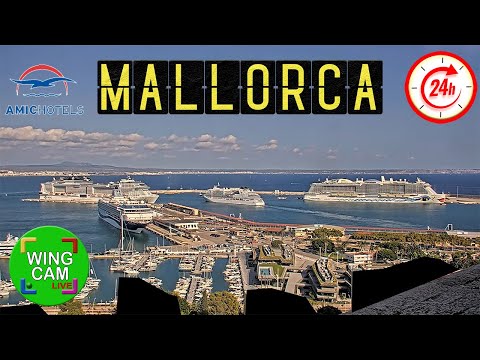


Palma de Mallorca Port
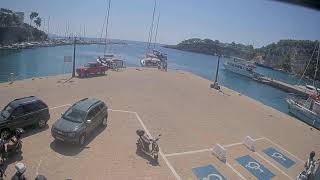
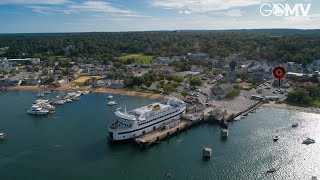
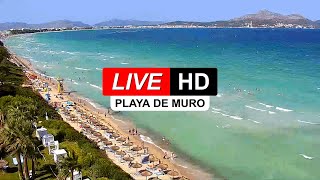
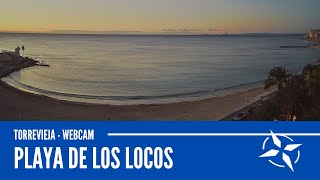
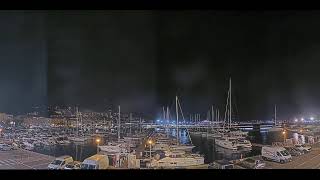
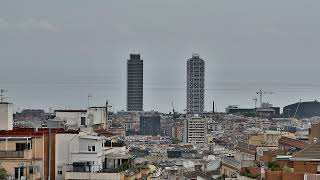
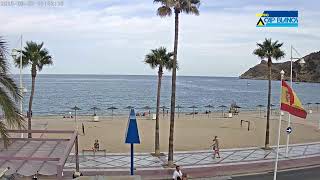
This live webcam captures the bustling Port of Palma de Mallorca in Palma de Mallorca, Balearic Islands, Spain, showing the wide harbour on the Mediterranean with cruise ships, ferries and pleasure boats moving in and out of the marina, framed by the elegant waterfront and yacht-filled docks. From its vantage viewers can see parts of the marina and seafront, the distant Gothic profile of La Seu Cathedral and the city’s skyline beyond, with the paseo marítimo promenade and active maritime life creating a lively coastal scene, offering a real-time view of the area.
Palma de Mallorca, Balearic Islands, Spain
 ES
ES- Palma
- Palma de Majorca
- Ciutat de Mallorca
Palma serves as the capital and largest city of the autonomous community of the Balearic Islands in Spain. Situated on the south coast of Mallorca along the Bay of Palma, it functions as the administrative center for the entire archipelago. The municipality extends beyond the urban core to include the Cabrera Archipelago, a national park located approximately 20 kilometers south of the island, which remains uninhabited but accessible by boat.
The city was founded by the Romans in 123 BC upon the remains of a Talaiotic settlement, establishing it as a strategic port for trade with North Africa and mainland Spain. Following the fall of the Western Roman Empire, it endured Vandal raids before being reconquered by the Byzantine Empire. Between 902 and 1229, Islamic control transformed the city into Medina Mayurqa, the capital of the Emirate of Córdoba and later various taifas, before James I of Aragon reconquered it in the 13th century.
Palma retains a fine Old Town characterized by its cathedral and royal palace, which anchor the historic center. While modern boxy hotels stretch for 20 kilometers along the coast, the city preserves ancient splendour amidst its development. Archaeological finds from the Roman period, such as the Roman Wall at Can Bordils, and Byzantine mosaics in the cathedral provide tangible links to its layered past, contrasting with the medieval Islamic and Christian architectural influences.
The city attracts visitors year-round, with a holiday peak occurring between May and September when tourism is at its height. The sea breeze keeps temperatures moderate, seldom exceeding 25 °C, though evenings may require warmer clothing. Palma offers a mix of historical exploration in its ancient districts and modern amenities, serving as the primary entry point for resorts across the island through its extensive airport infrastructure.
As of 2025, the population is recorded at 434,786, making it the eighth-largest city in Spain. The economy has historically relied on trade, piracy, and agriculture, evolving into a tourism-driven model that blossomed from the 1950s. Palma de Mallorca Airport, opened in 1960, handles daily flights from Europe and North Africa, facilitating access to this Mediterranean hub which also benefits from its role as a commercial gateway for the Balearics.
 The EARF Engine