









Dobó Square
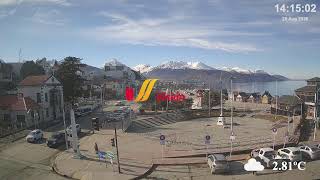
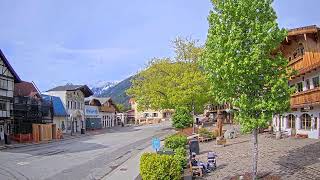
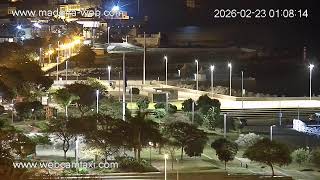
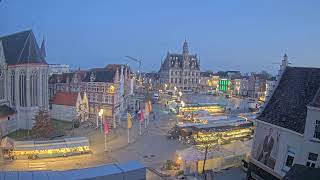
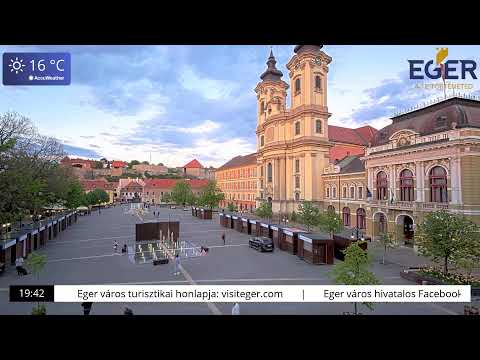
This live stream offers a real-time view of Dobó Square in the historic city of Eger, Hungary. Situated at the heart of the town, the square is surrounded by striking Baroque architecture, lively cafés and restaurants, and marked by the monument of Capt. István Dobó, famed for his defense of Eger Castle in 1552.
Eger, Heves, Hungary
 HU
HU- Erlau
- Jager
- Jegar
Eger serves as the county seat of Heves County in Northern Hungary, holding the status of a city with county rights. It stands as the second largest urban center in the region, following Miskolc. The settlement is situated on the Eger Stream, which flows into the Tisza river, nestled between the Mátra and Bükk Mountains. This geographic positioning has historically facilitated economic and cultural connections across the country.
Inhabited since the Stone Age, Eger likely formed in the tenth century under Saint Stephen, who established an episcopal see there. The town flourished in the medieval period before suffering Mongol destruction in 1241, followed by reconstruction under Bishop Lampert. It reached its peak during the reign of King Matthias and later withstood the Ottoman Siege of 1552. After a ninety-one-year occupation ending in 1687, it was restored as a free royal borough.
The city is defined by its medieval castle, thermal baths, and baroque architecture, including the northernmost Ottoman minaret. The coat of arms features a unicorn and sword, symbolizing manorial power and faith. Historic landmarks include the Gothic Bishops Palace and the Basilica. The town center remains compact, with narrow twisting roads in the inner area and wider routes leading to northern mining towns.
Eger attracts visitors primarily for its historic castle, thermal baths, and renowned red wines from the Valley of the Beautiful Women. The Siege of Eger is commemorated through literature, including Géza Gárdonyi's novel. The town hosts Eszterházy Károly Catholic University and maintains strong cultural ties to its past as a religious center. Visitors often arrive for day trips or to explore the architectural heritage.
The population was recorded at 48,686 in 2025, though earlier estimates placed it around 53,000 in 2017. Access is facilitated by hourly trains from Budapest and Miskolc, with travel times ranging from two hours to over two hours. Buses also connect the city to major hubs like Debrecen. The town offers a mix of historic exploration and natural scenery within the surrounding mountainous region.
 The EARF Engine