
Szeged Zoo Elephants - (Inside)
Zoo Szeged Camera Live
406 subscribers
Szeged, Csongrád-Csanád, Hungary

Szeged Zoo Elephants - (Inside)
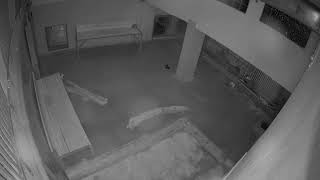
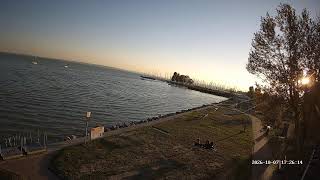
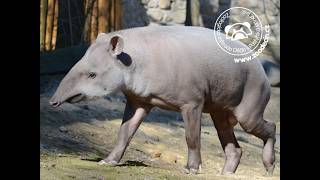
This indoor cam at Szeged Zoo offers a cozy, up-close view of the elephants in their sheltered habitat. Watch as they roam a thoughtfully designed indoor space, interact with enrichment toys, munch on hay, and shelter from the weather. It’s a calm, engaging glimpse into their daily lives and the zoo’s care efforts, bringing the heart of elephant conservation straight to your screen.
Szeged, Csongrád-Csanád, Hungary
 HU
HU- Partiscum
- Seghedin
- Seghedino
Szeged serves as the county seat of Csongrád-Csanád county in Hungary, functioning as the largest city and regional centre of the Southern Great Plain. Situated near the southern border of the country, it lies on both banks of the Tisza River just south of the Maros River mouth, placing it nearly in the centre of the Carpathian Basin. As the third largest city in Hungary, it acts as a primary commercial and cultural hub for the region, positioned close to the frontier with Serbia.
The area has been inhabited since ancient times, with Ptolemy recording the Roman colony Partiscum on or near the site in the second century AD. The name Szeged first appeared in 1183 in a document by King Béla III, potentially deriving from the Hungarian word for corner or island. After being destroyed during the Mongol invasion and later occupied by the Ottoman Empire from 1543 to 1686, the town regained free royal status and prospered before suffering heavy damage during World War II.
The modern city layout was defined by the great flood of 1879, which destroyed most of the town and led Emperor Franz Joseph to promise a more beautiful reconstruction. This resulted in wide avenues, ring roads, and palaces built from the ruins. The inner city features imposing architecture including a cathedral and numerous Art Nouveau and historicist buildings, while the University of Szeged, established in 1581, stands as a prominent educational landmark.
Szeged is renowned for its gastronomy, particularly as the home of paprika and famous dishes like szekelygulyas and halászlé fish soup. The city hosts the Open Air Theatre Festival in summer and a fish soup festival in September, attracting visitors from across Europe. It is also known for its vibrant cultural scene, including regular concerts by the Szeged Symphony Orchestra and significant historical sites related to the 1848 Hungarian Revolution.
The population was recorded at 157,282 as of 2025. The city functions as a major university town and a centre for light and food industries, with oil found nearby in 1965. Accessible via the M5 highway approximately 171 km south of Budapest, Szeged enjoys a transitional climate between humid subtropical and continental types. It is often called the City of Sunshine due to its high annual sunlight hours and hot summers.
 The EARF Engine