






Torre Pedrera Beach
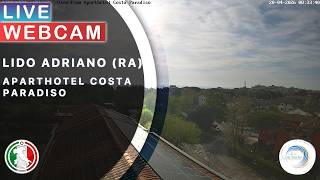
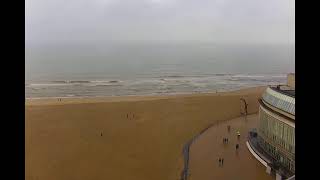
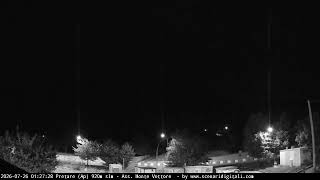
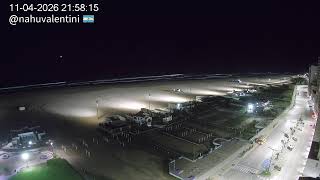
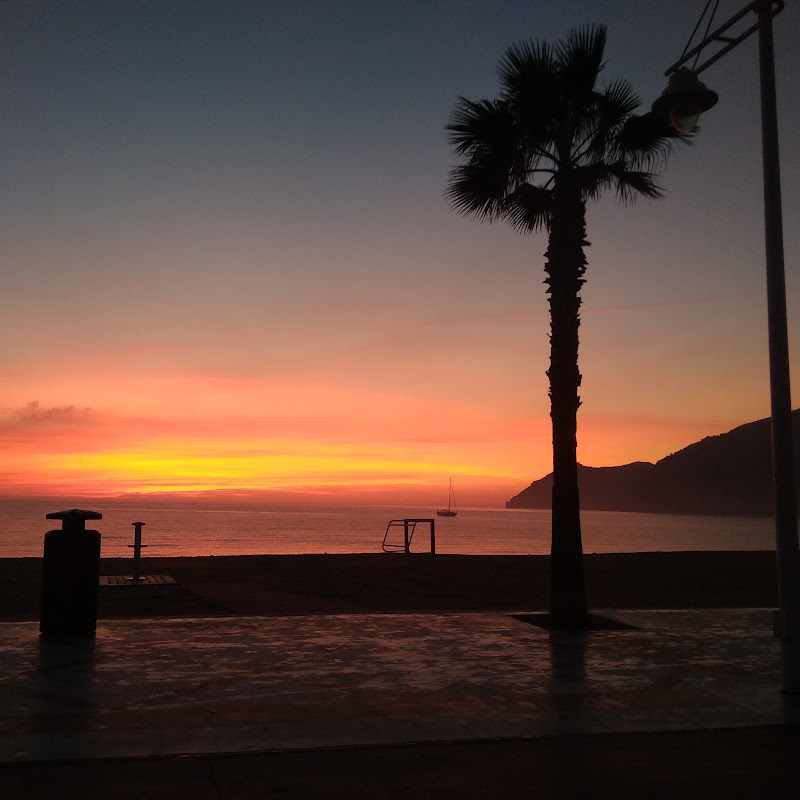
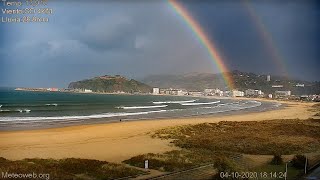
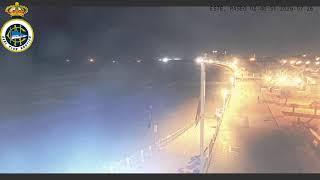
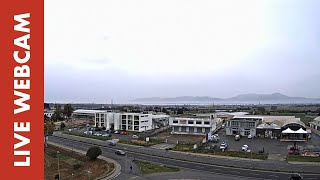
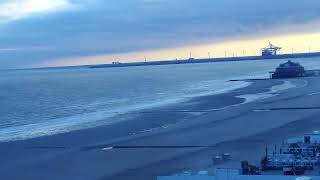
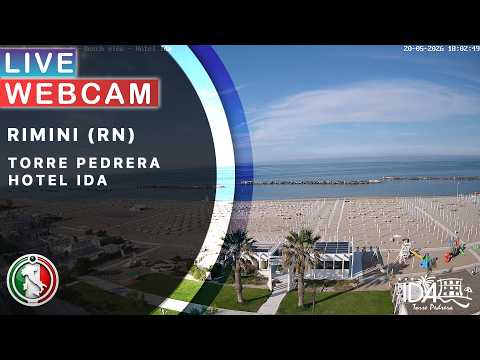
This live camera in Rimini, Emilia-Romagna, Italy, shows Torre Pedrera Beach, a seaside resort on the northern coast of Rimini. The view overlooks the sandy beach, Adriatic shoreline, and promenade, near the historic 17th-century Saracen tower that gave the area its name.
Rimini, Italy
 IT
IT- Ariminum
Rimini is a city located in the Emilia-Romagna region of Northern Italy, situated along the Adriatic Sea at the southern tip of the Po Valley. It occupies a strategically important north-south passage on the coast and serves as the nearest Italian city to the independent Republic of San Marino. The municipality is part of the eponymous province, which had a population of 340,665 as of 2025. As a significant urban center in the region, Rimini functions as a major hub for both domestic and international tourism, leveraging its coastal position to attract visitors from across Europe.
The area was originally inhabited by Etruscans and later held by Celts until their defeat in 283 BC. In 268 BC, the Roman Republic founded the colonia of Ariminum at the mouth of the Ariminus river, establishing it as a bastion against Celtic invaders and a springboard for conquering the Padana plain. The city played a pivotal role in Roman civil wars, notably serving as the site where Julius Caesar made his legendary appeal to the legions after crossing the Rubicon. During the Middle Ages, it passed through various rulers, including the Ostrogoths, Byzantines, and Lombards, before coming under the long-term authority of the House of Malatesta in the 13th century.
Rimini boasts a rich architectural heritage stemming from its Roman origins, including the Arch of Augustus erected in 27 BC and the Ponte di Tiberio, a five-arched bridge completed in 21 AD. The city retains remnants of a graeco-Roman grid plan defined by the Cardo and Decumanus streets, along with amphitheater ruins that could seat 12,000 people. During the Renaissance, the Malatesta court hosted artists like Leonardo da Vinci and produced the Tempio Malatestiano, rebuilt by Leon Battista Alberti under Sigismondo Pandolfo Malatesta. The city also features the Lighthouse and fish market structures from the 18th century, reflecting its historical importance in fishing and trade.
As one of Europe's most notable seaside resorts, Rimini draws millions of tourists with its extensive beach strips and over a thousand hotels. The city is celebrated as the birthplace of film director Federico Fellini and was a center for Italian unification movements in the 19th century, earning a gold medal for civic valour during World War II partisan resistance. Visitors are attracted by the blend of ancient history and modern resort amenities, with excellent food reflecting its diverse international clientele. The Rimini Fiera has also become one of Italy's largest sites for trade fairs and conferences in recent years.
As of 2023, the city has a population of 149,211 inhabitants. Its economy is heavily driven by tourism, supported by the Federico Fellini International Airport located seven kilometers southeast of the town center. Transport links include fast trains connecting Milan to Ancona and Bari via Bologna, as well as regional services from Ravenna. The city is accessible via the A14 motorway and SS16 road, with Flixbus providing direct connections to major Italian cities. Public transport includes frequent buses and a bike-sharing service, catering to the needs of both short-stay visitors and residents.
 The EARF Engine