








Playa del Albir
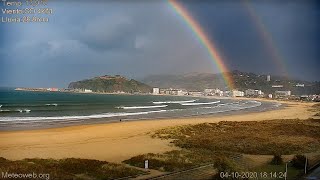
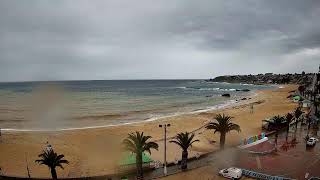
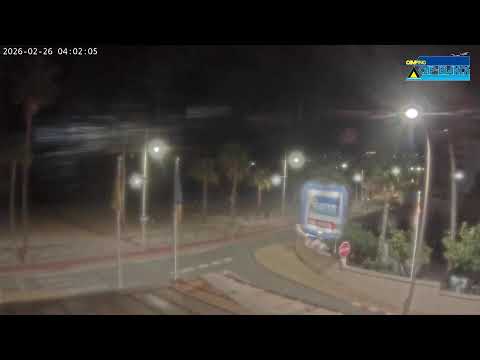
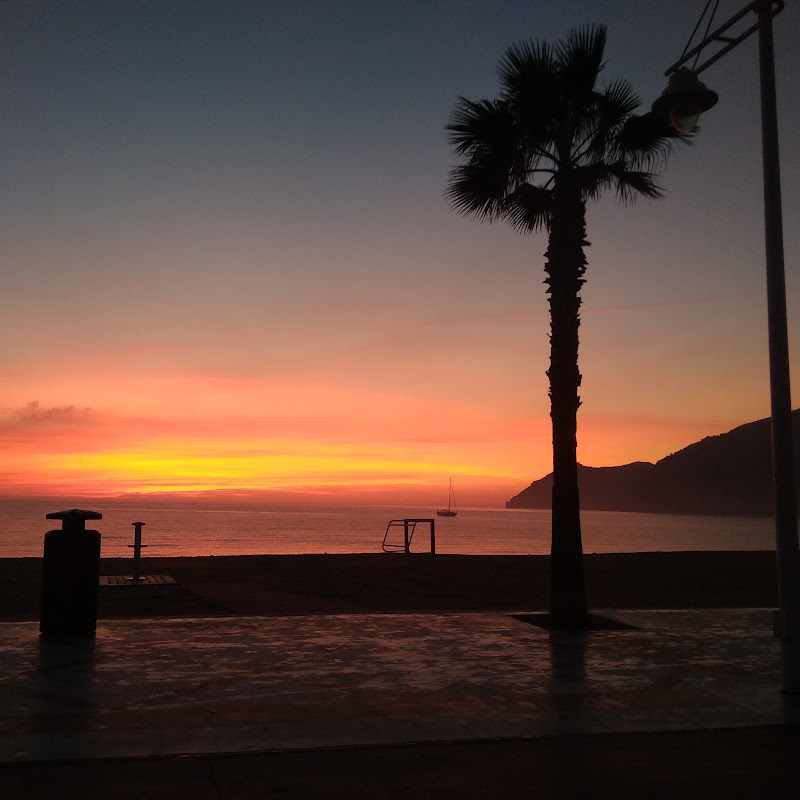
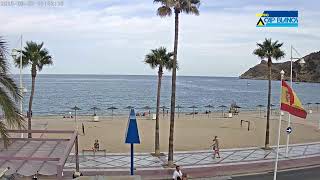
This live HD stream captures Playa del Albir (also known as Racó de l’Albir) on Spain’s Costa Blanca in Alicante Province. The pebbly shoreline stretches beneath the dramatic cliffs of Sierra Helada Natural Park, offering clear Mediterranean waters and a peaceful seafront scene
Altea, Alicante, Spain
 ES
ES- Altea, Spain
Altea is a city and municipality situated in the Valencian Community of Spain, positioned along the Mediterranean coastline known as the Costa Blanca. It serves as an administrative center within the province of Alicante, characterized by its location on a section of coast defined by natural beauty and historical significance. The town is protected on the north by the bluffs of the Serra de Bèrnia, which create a mild microclimate for the area. This geographical setting contributes to its appeal as a seaside destination, offering visitors a blend of urban municipal services and coastal charm.
The area has been settled since Iberian times, with early coastal settlements located at the mouth of the Algar river in the wide Bay of Altea. Greek colonists later established a marketplace named Althaia here. During Moorish domination, the land belonged to the Taifa of Dénia until it was recaptured by Christians in 1244 under James I of Aragon. The town was quickly fortified with walls enclosing what is now the old town, and remains of these city walls can still be seen today around the historic center.
The town features two primary districts: a largely commercial beachfront and the picturesque casco antiguo, or old town. The old town is defined by labyrinthine cobblestone alleys, whitewashed houses, and numerous steps. Notable landmarks include the Església de la Mare de Déu del Consol, identifiable by its blue and white domes, and the Torre de Bellaguarda, a reconstructed 16th-century watchtower. The seafront esplanade is planted with palms, while the narrow streets offer glimpses of the bay and attract visitors seeking architectural charm.
Altea hosts several festivals, including the Castell de l'Olla fireworks in August and the Moros y Cristianos celebration in September. The town also observes Pascua processions and the Sant Antoni del Porquet festival dedicated to pork during Lent. Cultural attractions include the Fundacón Eberhard Schlotter and the Museo Navarro Ramón. The area is notable for being the residence of affluent Russian migrants, evidenced by the Templo del Arcángel Miguel, the first Russian Orthodox church built in Spain, completed in 2002.
The population of Altea is 24,592 as of 2025. Its economy is based on tourism, which began growing in the 1950s due to good weather and beaches. Access is available via the TRAM Alicante light rail from Dénia and Alicante, or by bus routes from Benidorm. Parking in the Casco Antiguo is restricted to residents, with free car parks on the periphery. The town retains its Spanish identity despite tourism development, offering a mix of historical depth and modern visitor amenities.
 The EARF Engine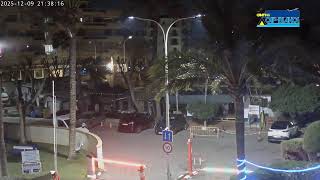

















![Busan Haeundae Live [부산 해운대 라이브] thumbnail](https://yt3.ggpht.com/JoY2eLuWbI33ilXhXMtHPC31IwGewjCQK0sTM44Oa3uGZPZe04RDSyHva9NRKtUs_eO9mO_b5A=s800-c-k-c0x00ffffff-no-rj)