

Norcia, Perugia, Italy
 IT
IT- Nursia
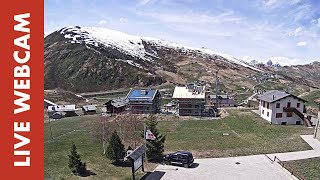
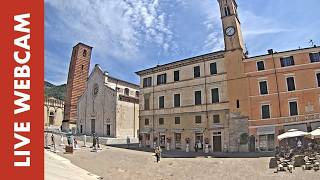
Norcia is a town and comune situated in the province of Perugia within southeastern Umbria, Italy. It occupies a wide plain abutting the Monti Sibillini, a subrange of the Apennines featuring some of their highest peaks. The settlement lies near the Sordo River, a small stream that eventually flows into the Nera, and is popularly associated with the Valnerina valley. As a municipality, it holds membership in I Borghi più belli d'Italia, recognizing its status among the most beautiful villages in Italy.
Traditionally known in English by its Latin name of Nursia, the area was originally a city of the Sabines located close to Umbrian territory. It served as the capital of Sabina under King Songo before its inhabitants became Roman citizens toward the mid-third century BC. The town formed as a free municipality in the thirteenth century and emerged as the leading municipality of the Sibillini Mountains by the fourteenth century, a period during which its defensive walls were constructed.
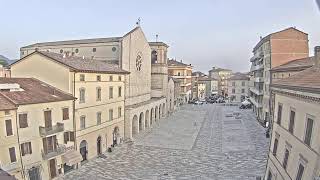
The historic center features architecture shaped by centuries of conflict and renewal, including the Castellina, a fortified residence built after unrest in the sixteenth century. The town contains numerous religious institutions such as parishes, convents, and nunneries, alongside hospitals and lay brotherhoods. Its civic life was historically organized through craft guilds, while eight inns provided lodging for travelers and residents alike during its period of significant building and artistic development.
Norcia is widely known for hunting, particularly wild boar, and for sausages and ham made from wild boar and pork, products collectively named norcineria. The area serves as a base for mountaineering and hiking due to its air and scenery. Historically, the countryside was famous for the quality of its turnips, a product mentioned by ancient authors. The town also maintained public schools, a theatre, and supported musical life and a literary academy during its early modern renewal.
The population of Norcia was recorded as 4,544 as of 2023. The region is characterized by a very cold climate in its mountainous surroundings, which ancient writers described as inhabited by frosts. A devastating earthquake on May 12, 1730, almost completely destroyed the city and prompted many residents to emigrate. Despite this, the community has persisted through various political changes, including periods under papal rule and brief incorporation into the French Empire.
 The EARF Engine