








Kobe Waterfront Park
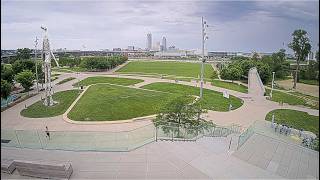
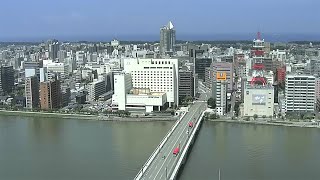
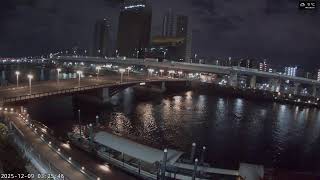
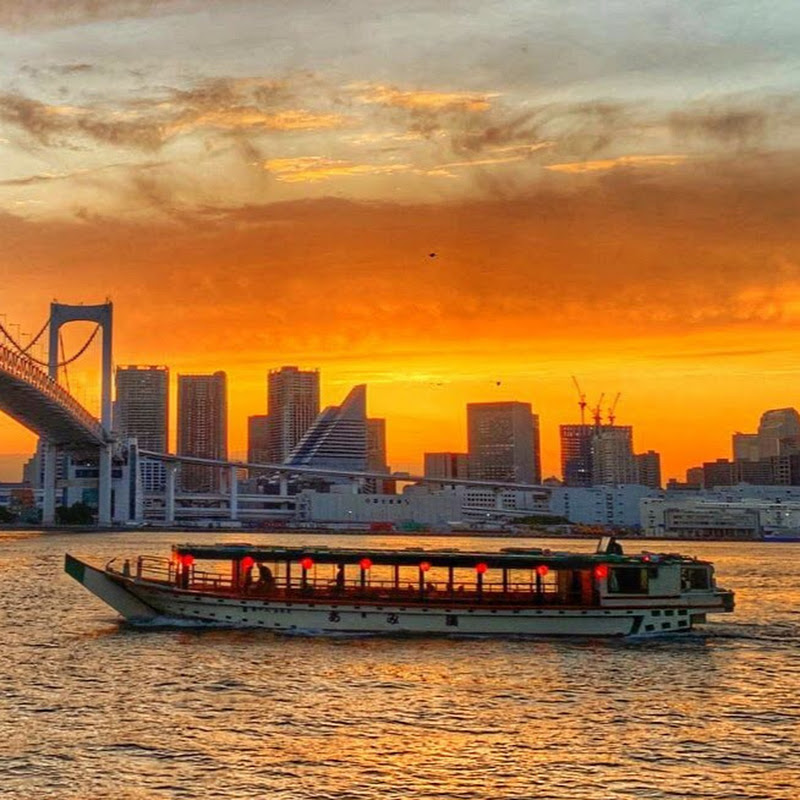
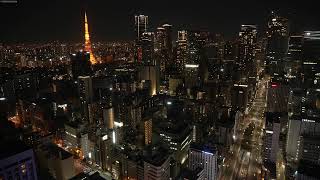
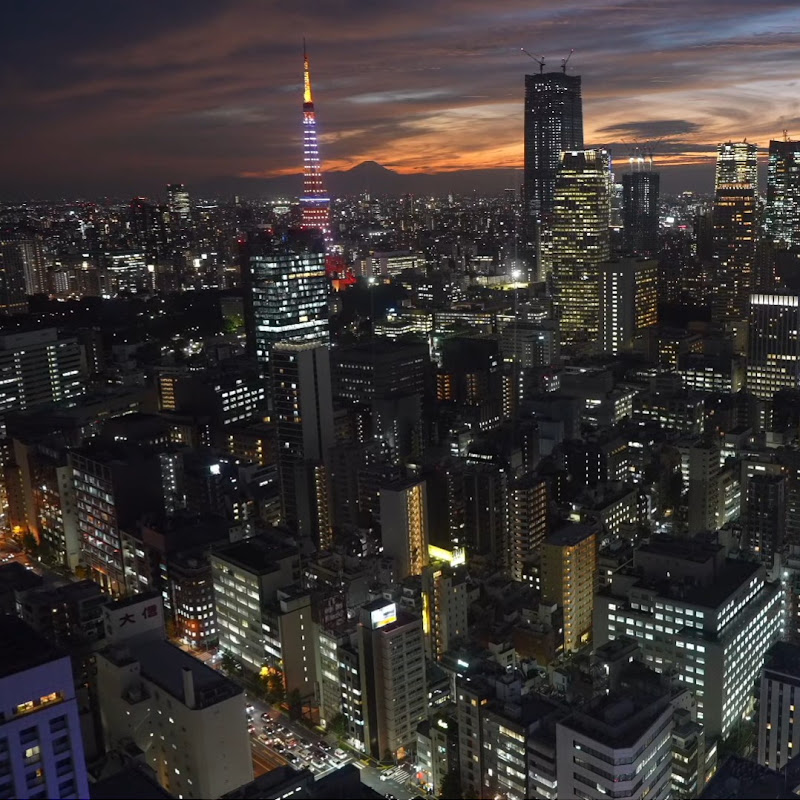
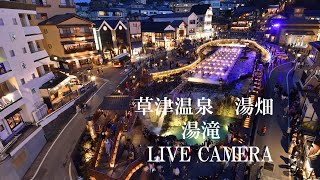
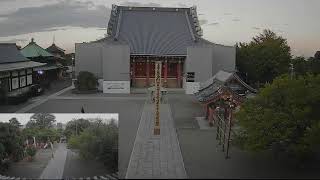
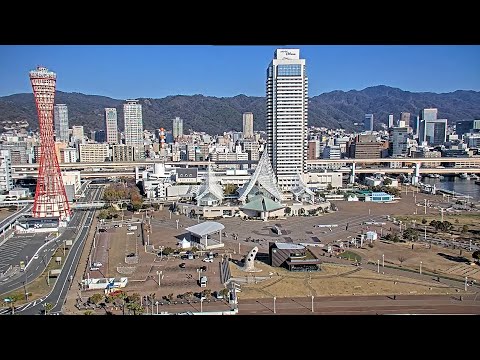
This live webcam in Kobe, Hyogo Prefecture, Japan, offers a sweeping view of the bustling Kobe Port. From this vantage point, visitors can watch ships and ferries navigating the calm waters, with the city skyline stretching along the waterfront and framed by distant mountains. The port area, dotted with modern buildings, cranes, and piers, reflects Kobe’s rich maritime heritage and vibrant urban life. Daylight and city lights create a constantly shifting scene, capturing the essence of this coastal city in real-time, offering a vivid glimpse into Kobe’s dynamic harbor atmosphere.
Kobe, Hyogo, Japan
 JP
JP- Hyōgo-ku
- Hyōgo-ku, Kōbe
Hyōgo-ku is one of nine wards comprising the city of Kobe in Hyogo Prefecture, Japan. Situated at coordinates 34.6758, 135.1667, it occupies a strategic location with a natural harbour near the Akashi Strait, which links Osaka Bay and the Seto Inland Sea. The ward is bounded by Osaka Bay to the south, Kita Ward to the north, Nagata Ward to the west, and Chūō Ward to the east, with its northern border at the base of the Rokko mountains.
The area served as an important gateway since the Nara period, with Taira no Kiyomori developing the harbor in the 12th century and establishing Fukuhara as a brief capital. During the Edo period, Hyogo Port remained vital for domestic trade under direct Shogunate administration. It was among the first ports opened to foreign vessels in 1868, ending Japan's isolation. The modern ward was formed in 1931 as Sōsai-ku and renamed Hyogo in 1933, with current boundaries settled in 1971.
The ward features the eastern portion of the Hyogo Canals network, a system of five canals totaling 6,470 metres completed in 1899. Notable heritage sites include the Wadamisaki Battery, built in 1864 to defend the port, and the Old Wadamisaki Lighthouse, originally constructed in 1871 under Richard Henry Brunton. The floral emblem of the ward is the pansy, and the area retains historical monuments such as the Kiyomori-zuka shrine garden.
Hyogo-ku holds significant historical weight as a site where western culture first arrived, marked by early foreign concessions and infrastructure like the Wadamisaki Lighthouse. The area suffered heavily during World War II air raids and the 1995 Great Hanshin earthquake, which caused substantial loss of life and infrastructure damage. Despite these events, the ward preserves its industrial heritage and historical landmarks, reflecting its role as a primary target for bombing and a center of post-war reconstruction.
The ward has an area of 14.68 km2 and a population of 109,144 as of 2020, though verified data cites 109,621 as of 2023. It serves as one of Kobe's main industrial areas, hosting headquarters for companies like Fujitsu Ten and facilities for Kawasaki Heavy Industries. The economy is supported by its status as a manufacturing zone and its historic port, which continues to facilitate trade within the Keihanshin agglomeration.
 The EARF Engine