








Motoyawata Station
千葉県タクシー協会京葉支部 CHIBA TAXI Association Keiyo Branch
5.6K subscribers
Ichikawa, Chiba, Japan

Motoyawata Station
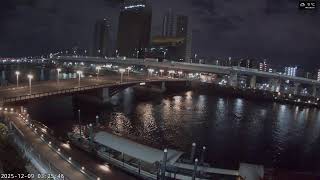
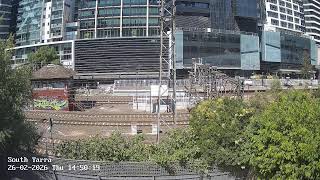
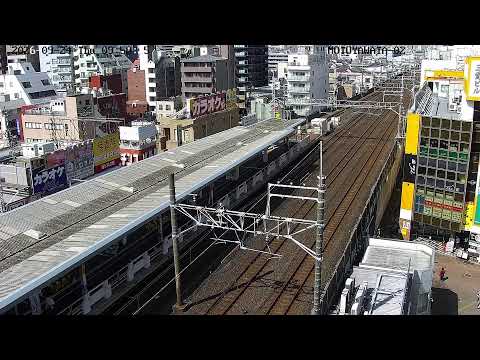
This livestream shows Motoyawata Station (本八幡駅) in Ichikawa, Chiba Prefecture—a busy commuter hub connecting JR’s Chūō–Sōbu Line with the Toei Shinjuku Subway Line. The JR tracks run elevated, while the subway is underground, with a short outside link between them. It’s also connected to Keisei Yawata Station just across the street, making line transfers quick and easy. The area around the station is packed with cafes, izakayas, 24-hour manga cafés, and access to shopping at Colton Plaza. Ichikawa City Hall is nearby, and regular buses head out to places like Myoden and Urayasu. With roughly 100,000 people moving through each day, this spot is always active and well-connected.
Ichikawa, Chiba, Japan
 JP
JP- Ichikawa City
- 市川市
Ichikawa is a city located in western Chiba Prefecture, Japan, situated approximately twenty kilometers from the prefectural capital and within ten to twenty kilometers of central Tokyo. It lies in the northwestern part of the prefecture, with its western border defined by the Edogawa River, which separates it from Edogawa Ward in Tokyo. The city occupies a total area of 57.45 square kilometers, featuring a southern alluvial plain near sea level and a northern section on the gentle Shimosa Plateau that rises to about twenty meters above sea level.
The area has been inhabited since the Japanese Paleolithic period, with stone tools dating back thirty thousand years found by archaeologists. During the Nara period, it served as the provincial capital of Shimōsa Province and was mentioned in the Man'yōshū. Ichikawa Town was organized in 1889 under the modern municipalities system, and on November 3, 1934, it merged with neighboring towns to form the city. Subsequent annexations in 1949, 1955, and 1956 expanded its boundaries significantly.
The city is characterized by distinct districts, including the Gyotoku area, which transformed from Edo Period salt pans into a new town development. Satomi Park stands on the hilly part of Konōdai and is famous for its cherry trees, while the bay area along the Keiyo Line serves as an industrial zone. Notable landmarks include Nakayama Hokekyō-ji, a Buddhist temple with a five-story pagoda built in 1622, and the Higashiyama Kaii Memorial Hall, which features European-style architecture with an octagonal tower.
Ichikawa offers various cultural attractions, including the Zoological & Botanical Garden, which houses seventy species of animals, and the Osu Disaster Prevention Park. The city has a rich literary history, having been home to writers such as Soseki Natsume and Yukio Mishima. Teramachi-dori, formerly known as Narita-michi, retains historical significance as a route used by pilgrims. The Lifelong Learning Center, nicknamed Media Park Ichikawa, supports education for all ages through its central library and audiovisual facilities.
As of 2021, the city had a population of 495,768, though estimates from January 2024 placed it at 492,749. It has a humid subtropical climate with warm summers and cool winters, averaging 15.4 °C annually. The economy benefits from good transportation connections to Tokyo via major rail routes like the Sōbu Line and Keiyō Line. Ichikawa contributes six members to the Chiba Prefectural Assembly and is divided between two districts in the lower house of the Diet of Japan.
 The EARF Engine