

Narita, Chiba, Japan
 JP
JP- 成田市
- Kōzunomori
- 成田
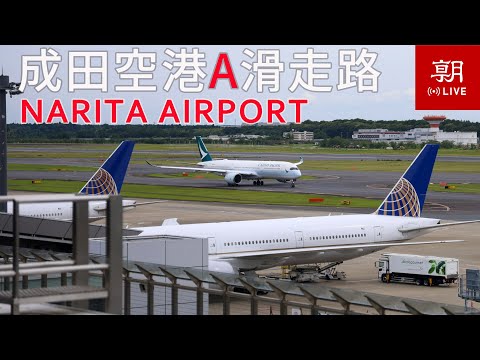
Narita is a city located in Chiba Prefecture, Japan, situated on the Shimosa Plateau in the northern center of the prefecture. It lies approximately 25 kilometers from the prefectural capital and between 50 to 60 kilometers from Tokyo's center. The city serves as a significant administrative and commercial hub for the region, hosting Narita International Airport, which is one of the two main international airports serving the Greater Tokyo Area. Its geographic position makes it a natural political and commercial center, with most of the terrain ranging between 10 and 40 meters above sea level.
The area has been inhabited since the Japanese Paleolithic period, with stone tools dating back 30,000 years found at the airport site. Place names appear in the Nara period Man'yōshū, though the name Narita itself appears in records only from 1408. It gained importance as a pilgrimage destination with the foundation of Shinsho-ji temple in 940 AD. Narita officially gained city status on March 31, 1954, through mergers with neighboring villages, following its organization as a town in 1889.
The city features distinct districts including Central Narita, centered on the temple and Omotesandō street lined with shops, and Narita New Town, a planned residential area housing most of the population. Kōzunomori is a suburban area south of the new town, while historically agricultural zones like Sanrizuka host the airport. The old town and new town are in the southwest, with the airport located in the hills to the southeast. Industrial zones such as Nogedaira and Toyosumi were laid out in the 1960s to leverage air logistics capabilities.
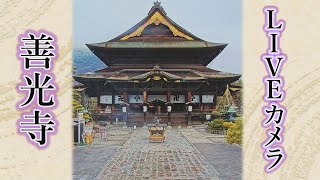
Naritasan Shinsho-ji is one of Japan's most visited temples, attracting visitors with its historical significance and annual festivals featuring parades and traditional performances. The city offers a relaxed pace of life compared to nearby Tokyo, with charming old streets and wooden shops. It serves as a major congregation point for airline staff, contributing to a diverse nightlife. The area also preserves heritage from the Heian period, when it was a center for the revolt of Taira Masakado, and the Edo period under Tokugawa control.
As of 2021, the population is 130,689, having plateaued after decades of growth. The economy has shifted from agriculture to transportation, logistics, and tourism due to the airport's opening in 1978. Narita has a humid subtropical climate with warm summers and cool winters, averaging 14.8 °C annually. Transportation includes JR East and Keisei lines connecting to Tokyo, while the Higashi-Kantō Expressway provides road access. The wettest month is October, and temperatures peak in August.
 The EARF Engine