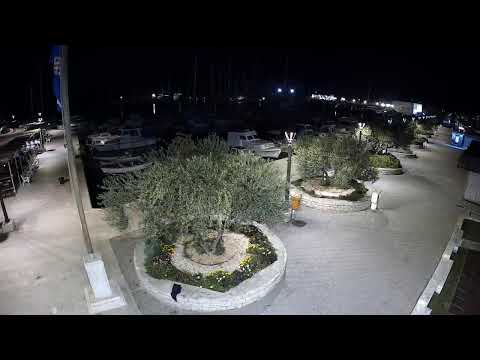


Pirovac Marina
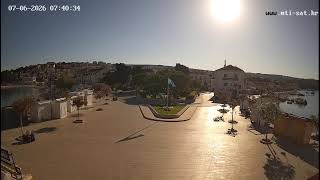
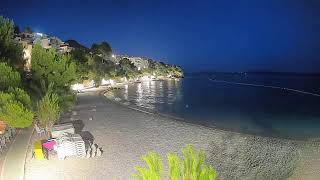
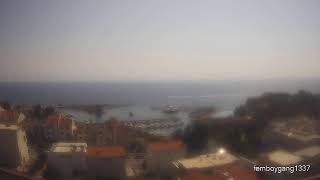
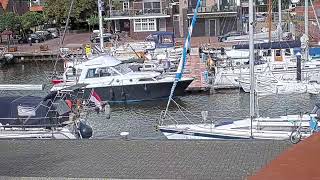
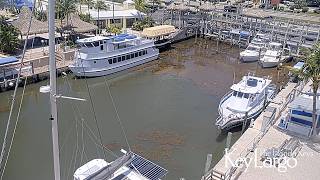
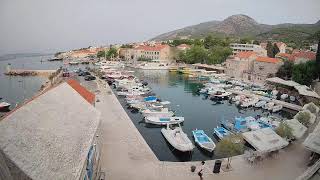
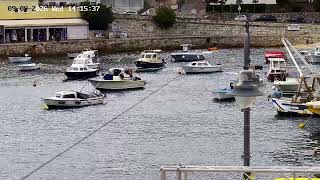
This live stream shows the charming marina of Pirovac, a coastal town in Croatia’s Šibenik-Knin region. The camera overlooks moored boats and yachts gently swaying in the calm Adriatic waters, with the town’s terracotta-roofed buildings and lush greenery lining the shore.
Pirovac, Šibenik-Knin, Croatia
 HR
HRPirovac is a coastal municipality and settlement located in the Šibenik-Knin County of Croatia. It sits approximately 26 kilometers away from the city of Šibenik, positioning it within the broader Dalmatian region along the Adriatic coast. As a local administrative unit, the municipality encompasses several distinct settlements, serving as a focal point for the surrounding coastal communities in this part of the country.
The area has deep historical roots, with remnants of Roman settlements found on the islet of Sveti Stjepan indicating habitation many centuries before the current village. The settlement itself was founded in the 15th century by refugees fleeing from the Turks. Its first historical mention appeared in 1298 under the name Zlosela, when it belonged to the Šubić family and later the Šibenik Diocese. The name was officially changed to Pirovac in 1921.
The village features significant architectural heritage, including a defence wall erected around 1505 by Petar Draganić, parts of which remain preserved today. The parish church of St. George, originally built in 1506, was restored in the Baroque style during the 18th century. Other notable sites include the graveyard chapel of the Draganić-Vrančić family, which houses a Gothic sarcophagus with reliefs from 1447, and the ruins of a Franciscan monastery on Sveti Stjepan that was abandoned in 1807.
Cultural landmarks define the local character, such as the Roman villa remnants in Ivinj, which date back to the 1st AD and were proclaimed a protected cultural monument in 2012. In the nearby village of Kašić Banjevački, a memorial chapel was erected in 2008 to honor those who died in the Second World War and the Croatian War of Independence, replacing a destroyed Partisan monument. These sites reflect the gradual settlement and development of the place over centuries.
The municipality had a total population of 1,606 residents as of 2021, distributed across settlements including Pirovac, Kašić, and Putičanje. In 2011, 93% of the population identified as Croats. The community has grown significantly from 273 inhabitants in 1709 to 1,970 in 1931, with the first school opening in 1885. Today, it remains a coastal municipality with a rich historical profile and accessible location near Šibenik.
 The EARF Engine