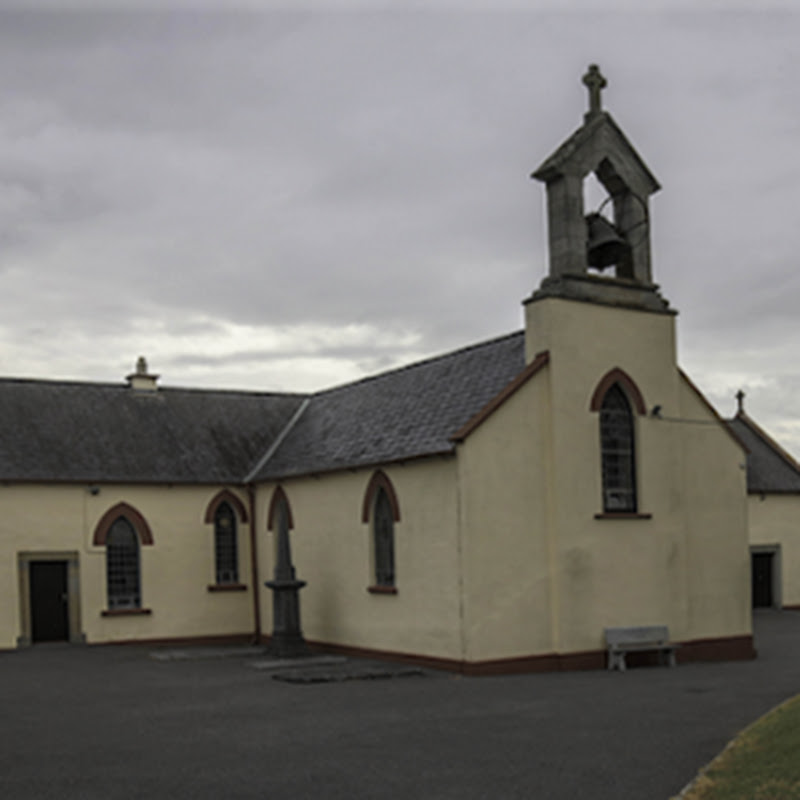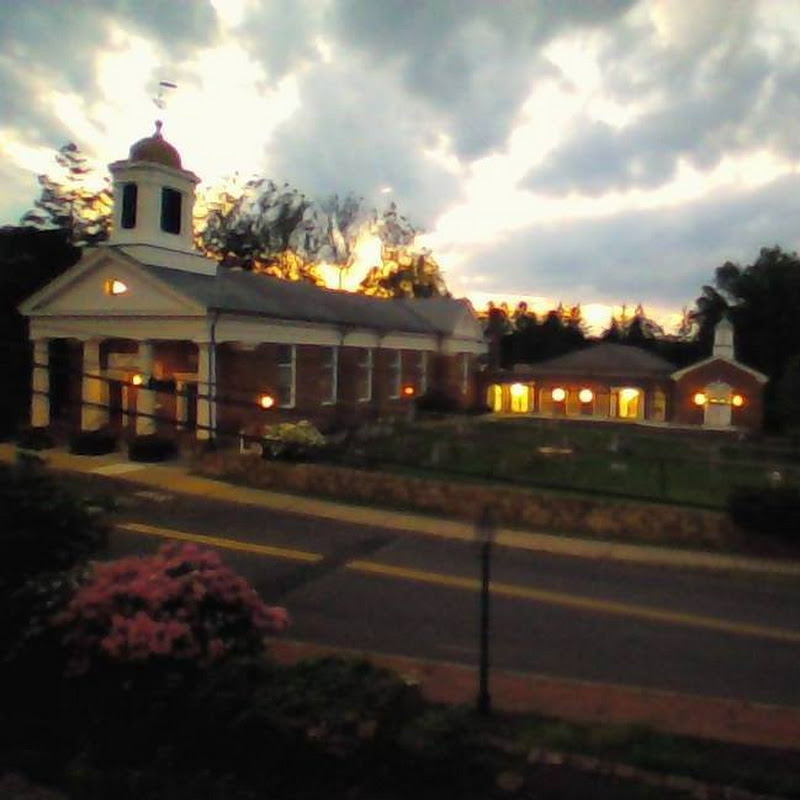











Church of Saint Anthony of Lisbon
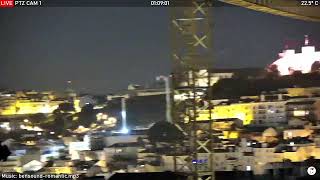
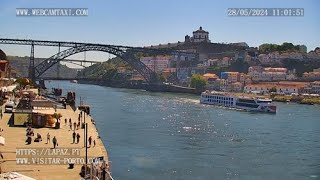
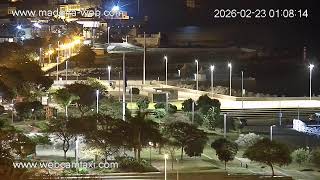
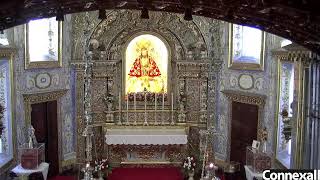
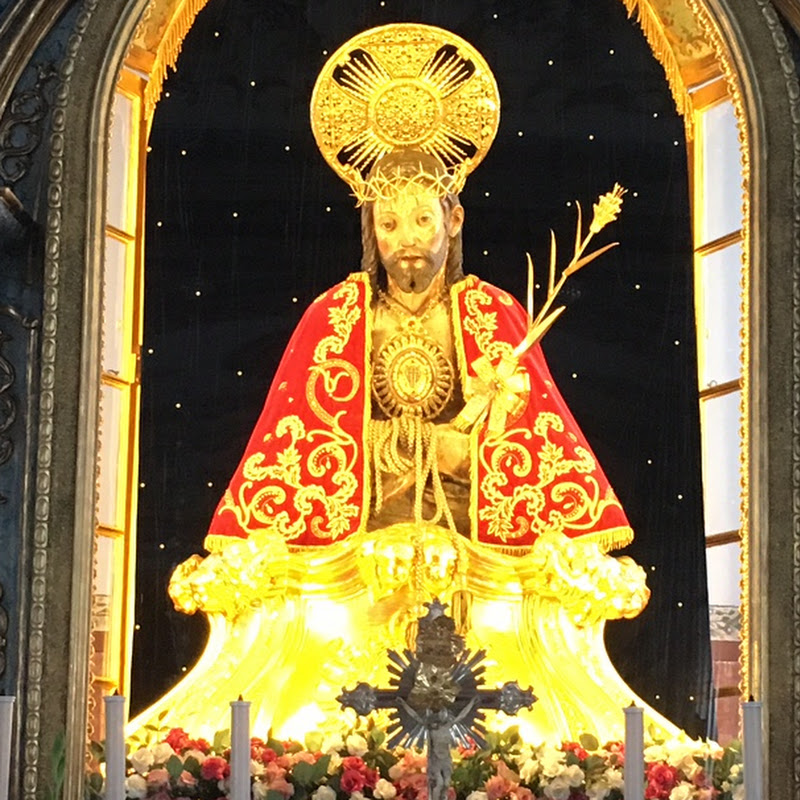
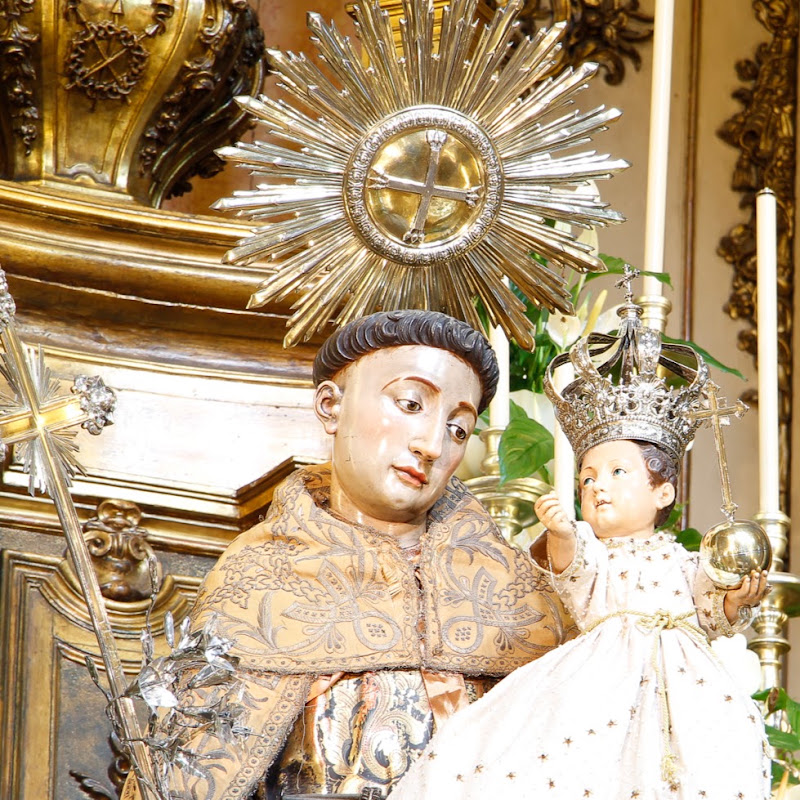
This live stream provides a view of the Church of Saint Anthony of Lisbon in Lisbon, Portugal. The camera looks toward the church and its surrounding streets, capturing the historic buildings, public spaces and pedestrian activity around this part of the city. The church is located in the Alfama district near the Lisbon Cathedral and is traditionally associated with Saint Anthony of Lisbon, one of the city's most celebrated saints. The surrounding area forms part of Lisbon's historic centre, with narrow streets, traditional architecture and landmarks reflecting the city's long history. The live view captures everyday activity around the church and the surrounding historic neighbourhood, with pedestrians moving through the area and changing daylight and weather conditions shaping the scene throughout the day.
Lisbon, Portugal
 PT
PT- Lisboa
Lisbon, known in Portuguese as Lisboa, serves as the capital and most populous city of Portugal. It is situated on the northern shore of the River Tagus in the western portion of the Iberian Peninsula, where the river meets the Atlantic Ocean. The city lies within the wider Lisbon metropolitan area, which extends beyond its administrative limits to include the Portuguese Riviera. This region hosts Cabo da Roca, the westernmost point of Continental Europe, establishing Lisbon as a key geographic and political centre for the nation.
As one of the oldest cities in the world, Lisbon predates other modern European capitals by centuries. Settled by pre-Celtic tribes and later developed by Phoenicians, it was founded as the Roman municipium Felicitas Julia under Julius Caesar. After the fall of the Roman Empire, it was ruled by Visigoths before being captured by Moors in the 8th century. In 1147, Afonso Henriques conquered the city, and by 1255, it replaced Coimbra as Portugal's capital, becoming the enduring political, economic, and cultural heart of the country.
Built on seven hills, Lisbon features a striking contrast between its elegant lower areas with broad avenues and the hilly, narrow streets of historic districts like Alfama and Bairro Alto. The city retains significant Moorish heritage in Alfama, the oldest standing district, and Roman ruins unearthed during the 18th century. Landmarks include the Castle of São Jorge and the Lisbon Cathedral. The urban landscape is defined by white bleached limestone buildings, intimate alleyways, and a mix of old, tiny trams alongside an efficient modern metro network.
Recognised as an alpha-level global city, Lisbon attracts visitors with its vivid contemporary culture and rich history. It is a major hub for finance, commerce, fashion, media, and tourism, hosting ambassadors from 86 countries. The city offers a thriving mix of traditions, from quality patisseries to late-night bars, set against a backdrop of monumental buildings and elegant squares. Its reputation as a popular year-round destination is bolstered by its easy-going charm and status as one of only two Portuguese cities recognised globally.
The city has an estimated population of 545,796 as of 2021, with the metropolitan area home to approximately 3.35 million people. Lisbon is a major economic centre in Europe, boasting the highest GDP PPP per capita in Portugal at US$179 billion. It is the 40th richest city globally by gross earnings and hosts headquarters for multinational corporations. The region benefits from excellent public transportation links to nearby UNESCO sites like Sintra and seaside resorts, supporting its role as a primary gateway to the Iberian Peninsula.
 The EARF Engine