
Cologne Cathedral
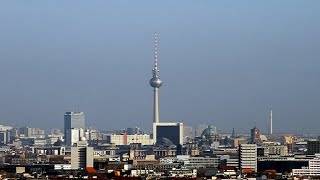
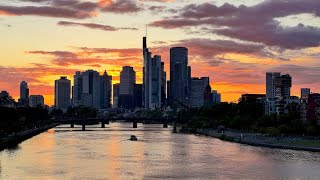
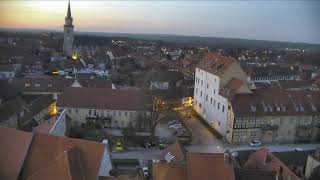
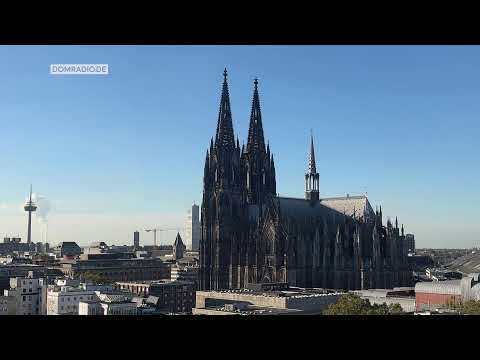
This live webcam provides a real-time view of Cologne Cathedral, known locally as the Kölner Dom, in the heart of Cologne, North Rhine-Westphalia, Germany. Rising beside the Rhine and Cologne Central Station, the cathedral is one of the city's most recognisable landmarks and a defining feature of the Cologne skyline. The camera offers a live perspective of the cathedral and its surrounding urban environment, where visitors, pedestrians, local activity and passing traffic contribute to the constantly changing scene. Depending on the camera's position and visibility, the view may also include parts of the surrounding cathedral square, central Cologne and the area around the Rhine. Construction of Cologne Cathedral began in 1248 and continued over several centuries before the building was completed in the 19th century. Its twin towers and Gothic architecture have made it one of Germany's best-known landmarks. The cathedral is also recognised as a UNESCO World Heritage Site and remains an important religious, cultural and architectural landmark.
Cologne, North Rhine-Westphalia, Germany
 DE
DE- Cologne
- Köln
- Cologne am Rhein
Cologne is a major city in North Rhine-Westphalia, Germany, located on the western bank of the Rhine River in the western part of the country. With a population of more than one million people in its wider municipal area, Cologne is one of Germany's largest cities and an important centre for business, culture, media, education and transportation. Its location on the Rhine has played a major role in the city's development and continues to shape its identity and connections with the surrounding region.
The city has a history stretching back to Roman times, when it was established as Colonia Claudia Ara Agrippinensium. Cologne subsequently developed into an important medieval trading and religious centre and became particularly associated with the Roman Catholic Church and the Archbishopric of Cologne. The city's historic heritage is most famously represented by Cologne Cathedral, one of Germany's best-known landmarks and a UNESCO World Heritage Site, which dominates the city centre beside the Rhine.
Cologne's position along the Rhine makes the river an important part of everyday life in the city. Bridges, promenades, waterfront districts, passenger boats and commercial shipping connect the two sides of the urban area, while the surrounding Rhine valley forms an important transportation corridor through western Germany. The city is also a major railway hub, with extensive regional and long-distance connections linking Cologne with other German cities and neighbouring countries.
Beyond its historic centre, Cologne is a diverse modern city made up of numerous neighbourhoods with their own character. The city is known for its museums, galleries, theatres, music and annual carnival celebrations, while its media and broadcasting industries have made it an important cultural and communications centre. Cologne is also home to several universities and research institutions, contributing to its large student and professional population.
The surrounding North Rhine-Westphalia region is one of Europe's most densely populated and economically significant areas, with Cologne forming part of a large urban network that includes Bonn, Düsseldorf and other cities along the Rhine and Ruhr. Its combination of historic architecture, modern urban districts, riverfront landscapes and extensive transportation connections makes Cologne an important destination and regional centre in western Germany.
Cologne experiences the changing seasons of central Europe, with the appearance of the city and Rhine varying throughout the year with weather, daylight and seasonal conditions. From its historic cathedral and riverfront to its busy streets, bridges and surrounding neighbourhoods, the city offers a continually changing urban landscape.
 The EARF Engine