





Live stream unavailable
This camera is offline or temporarily unavailable. It may be under maintenance, having technical trouble, or it may have been removed by the provider. Listings are monitored continuously and this page updates when the stream returns.


Pico Island
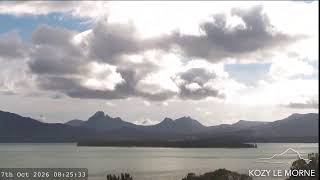
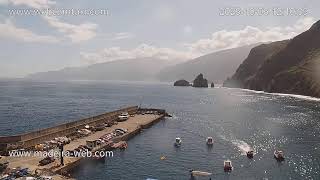
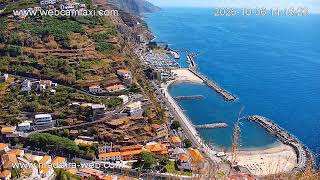
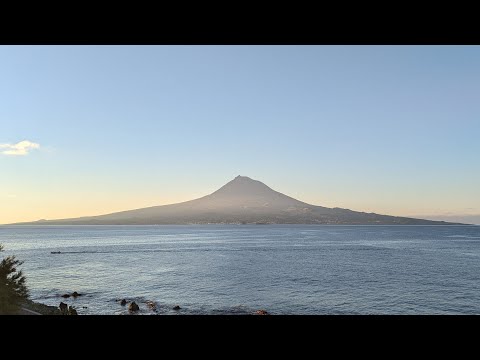
This live stream provides a view from Pico Island in the Azores, Portugal, looking across the island toward Mount Pico and the surrounding Atlantic landscape. The camera captures the volcanic scenery of the island, with the distinctive peak of Mount Pico rising above the surrounding terrain. Mount Pico is Portugal's highest mountain and the defining landmark of the island. The landscape around it is shaped by volcanic terrain, with vineyards, villages and rugged coastal areas extending toward the Atlantic Ocean. The live view provides a real-time look at conditions around Pico Island, with cloud, visibility and changing light frequently altering the appearance of Mount Pico and the surrounding landscape.
Pedro Miguel, Azores, Portugal
 PT
PT- Pedro Miguel
- Freguesia de Pedro Miguel
Pedro Miguel is a parish on the eastern side of Faial Island in the Azores, Portugal, situated within a green volcanic landscape overlooking the Atlantic Ocean. The settlement lies among rolling hills, cultivated fields, pastures and dense vegetation typical of the Azorean islands, with the surrounding terrain shaped by centuries of volcanic activity. Its position on the northern and eastern slopes of Faial provides views toward the ocean and, in favorable conditions, across the surrounding island landscape.
The parish is characterized by traditional Azorean houses, narrow roads, agricultural land and extensive green hillsides. Farming remains an important part of the landscape, with pastures and small cultivated areas separated by stone walls and hedgerows. The mild, humid Atlantic climate keeps the countryside green throughout much of the year, while changing cloud, mist and sunlight can produce rapidly shifting conditions across the hills and coastline.
Pedro Miguel is closely associated with the natural landscapes of eastern Faial, including volcanic hills, coastal cliffs and areas of native and introduced vegetation. The nearby coastline is shaped by the interaction of volcanic rock and the Atlantic Ocean, with elevated viewpoints providing broad panoramas across the surrounding waters. Inland, the landscape becomes more sheltered and agricultural, with roads winding between fields and settlements across the slopes of the island.
The parish also has cultural and historical features typical of Faial's rural communities, including traditional churches, stone structures and local agricultural architecture. Like many settlements in the Azores, Pedro Miguel's character has been influenced by its isolation within the Atlantic and by the close relationship between its residents and the surrounding land and sea. Local traditions, religious celebrations and agricultural practices remain important aspects of community life.
Faial itself is part of the central island group of the Azores and is known for its volcanic landscapes, coastal scenery and strong maritime heritage. The island's geography provides a mixture of high volcanic terrain, green pastures, crater landscapes and rugged Atlantic shorelines. From Pedro Miguel and other elevated areas of eastern Faial, the surrounding landscape illustrates the contrast between the cultivated interior of the island and the open ocean beyond.
Pedro Miguel offers a quieter perspective on Faial away from the island's principal urban center of Horta. Its combination of traditional rural settlement, green volcanic countryside, Atlantic views and agricultural landscapes provides a representative example of life on the Azores. The surrounding terrain and coastal setting also make the parish a useful starting point for exploring the natural and cultural landscapes of eastern Faial.
 The EARF Engine