





Cape Town, South Africa
 ZA
ZA- Mother City
- Kaapstad
- iKapa
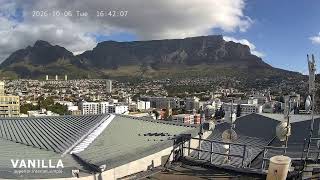
Cape Town serves as the legislative capital of South Africa and the capital of the Western Cape Province. It is the country's second-largest city by population and the largest in the Western Cape, situated on the southwestern coast near the Cape of Good Hope. The city lies on the shore of Table Bay, with its central business district located in the City Bowl area between the bay and Table Mountain. As the southernmost city on the African continent, it acts as a gateway to the globally renowned Cape Winelands region.
The earliest European settlement began in 1652 when Jan van Riebeeck established a trading post for the Dutch East India Company. The area was originally named the Cape of Storms by Bartolomeu Dias before being renamed the Cape of Good Hope by John II of Portugal. Britain captured the city in 1795, returned it to the Dutch in 1803, and permanently ceded it in 1814. Slavery was abolished in 1833, and the city became the capital of the Cape Colony before joining the Union of South Africa in 1910.
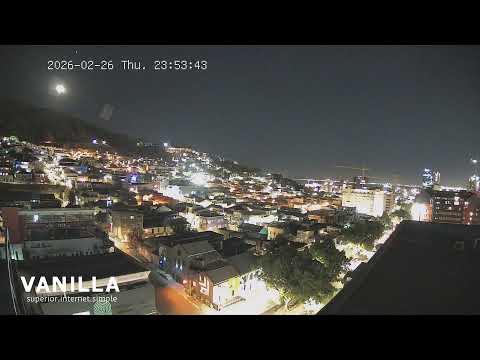
The city is defined by its natural setting in the Cape Floristic Region and landmarks such as Table Mountain and Cape Point. The original Dutch settlement area is bounded by the Company Gardens, the Castle of Good Hope, and Signal Hill. The Bo-Kaap district, known for its colorful houses, was settled by the Malay Muslim population in the 19th century. The metropolitan area features a long coastline along the Atlantic Ocean and False Bay, with the Table Mountain National Park within city boundaries.
Cape Town is a popular global tourist destination known for its relaxed atmosphere compared to Johannesburg's business-oriented environment. It has been named the best city in the world by The New York Times in 2014 and Time Out in 2025. The Kirstenbosch National Botanical Garden displays plants native to the Cape region, showcasing five of South Africa's six biomes. The city also possesses significant cultural heritage linked to its Khoikhoi history and colonial past.
The population was 3,776,313 as of 2021. Cape Town holds South Africa's highest household incomes, lowest unemployment rate, and strongest service delivery performance. It has the largest tourism appeal and most robust real estate market in the nation. The city features a system of railways expanded in the 1870s and public power stations established in the late 19th century. Its economy is supported by infrastructure investment and a diverse historical demographic including Cape Coloured and Cape Malay communities.
 The EARF Engine