








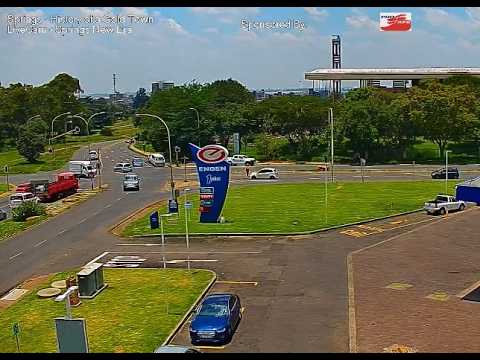

Springs, Gauteng, South Africa
 ZA
ZA- Springs, Transvaal
- Springs, Gauteng
Springs is a former independent city now integrated into the City of Ekurhuleni metropolitan area in Gauteng Province, South Africa. Located on the East Rand, it sits approximately 50 kilometers east of Johannesburg and 72 kilometers southeast of Pretoria. The town rests at an elevation of 1,628 meters above sea level within the Witwatersrand region, serving as the eastern gateway to Gauteng towards Mpumalanga and Northern KwaZulu-Natal.
Founded in 1904 as a coal and gold mining town, Springs originated from state-owned land surveyed by James Brooks in 1883. The area was initially named for its numerous natural springs before mining contracts began in 1888. It gained municipal status in 1912 and became the world's largest single gold-producing area by the late 1930s, though mining ceased by the end of the 1960s.
The city is renowned for its high concentration of Art Deco architecture, boasting the second-highest number of small-scale buildings of this style globally after Miami. These structures were primarily built in the central business district during the interwar period to counteract provincialism. Notable landmarks include the Central Fire Station, the War Monument, and the restored MOTH Memorial.
Cultural heritage is preserved through the Mine and Military Museum, founded in 2023 to display historical artifacts and aircraft. The area also holds significance as the birthplace of Nobel Laureate Nadine Gordimer. Visitors are drawn to the unique architectural heritage and the restored military memorials that reflect the town's complex history from its mining origins through the apartheid era.
The estimated population was more than 121,610 in 2011. The economy has shifted from mining to manufacturing and engineering, producing processed metals, chemicals, paper, and foodstuffs. Springs experiences a sub-tropical climate with four distinct seasons, featuring hot summers and cold winters with occasional frost, receiving an average annual rainfall of 450 millimeters.
 The EARF Engine