








Two Palms Beach
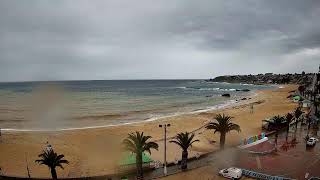
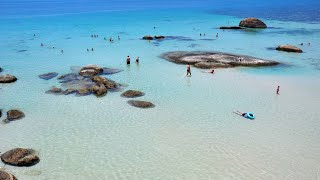
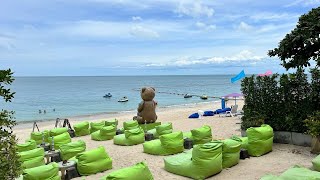
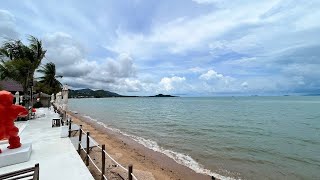
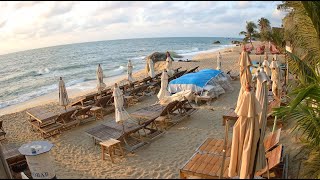
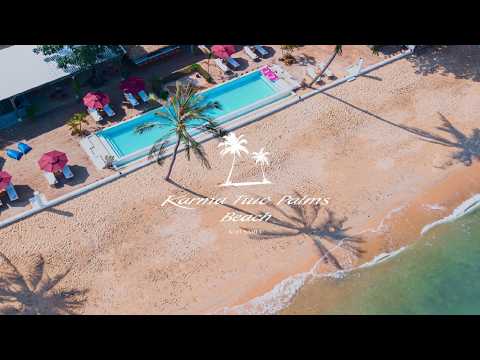
This live webcam stream from Karma Two Palms Beach Club lets you enjoy a stunning view where the turquoise pool seamlessly meets the calm, open sea. Located right on Bang Po Beach in Koh Samui, Thailand, the camera captures the laid-back rhythm of island life
Ko Samui, Surat Thani, Thailand
 TH
TH- Koh Samui
- Samui
- Pulo Cornam
Ko Samui, also known as Koh Samui, is an island located off the east coast of Thailand in the Gulf of Thailand. Geographically part of the Chumphon Archipelago, it sits approximately 35 kilometers northeast of Surat Thani town. While it is administratively an amphoe or district within Surat Thani Province, the island holds municipal status and operates as a locally self-governing city municipality with greater powers of self-governance.
Oral tradition suggests the island was first inhabited around the sixth century by fishermen from the Malay Peninsula and traders from southern China. Archaeological evidence indicates habitation may date back over 2,000 years. The island appeared on Chinese maps in 1687 as Pulo Cornam and later served as a crucial trade intermediary for Siam. During World War II, it was used by Japan as a base of operations.
The island features a central granite massif covered in rainforest, rising from coastal lowlands used for coconut and fruit cultivation. Key areas include the port town of Nathon on the west coast, the commercial hub of Chaweng, and the peaceful northern beaches like Bophut and Bang Rak. The largest mountain, Khao Pom, peaks at 635 meters, while the coastline is connected by a 51-kilometer road encircling the island.
Tourism drives the local economy, attracting millions of visitors annually who seek out beaches ranging from the developed Chaweng to quieter southern shores. The island offers activities such as kayaking and snorkeling in the nearby Ang Thong National Marine Park. Cultural heritage includes Hainanese temples and communities established by early Chinese immigrants, alongside Buddhist traditions practiced by the majority of the population.
The population was recorded at 62,500 in 2012. The economy has shifted from a self-sufficient coconut industry to mass tourism following the construction of Samui Airport in 1989. Access is facilitated by air and sea connections from the mainland. The island experiences a tropical monsoon climate, with development accelerating significantly after the 1980s through national economic plans.
 The EARF Engine