











Den Hoorn, North Holland, Netherlands
 NL
NLDen Hoorn is a village situated within the Dutch province of North Holland. It forms an integral part of the municipality of Texel and lies approximately nine kilometers north of Den Helder. The settlement is located near the southern tip of the island, positioning it as a key geographic point in the region's coastal landscape.
The area's historical development is marked by significant shifts in its population and infrastructure. Originally much larger, the village underwent major reductions in shipping transport which led to many houses being abandoned and destroyed. This decline left the central church isolated outside the built-up core, a stark contrast to its past when it was surrounded by buildings.
A prominent landmark is the white Dutch Reformed church, built in the fifteenth century to replace a wooden chapel demolished in 1409. The structure was completed in 1425 and received a tower twenty-five years later, which served as a beacon for shipping. Parts of the church were rebuilt in the seventeenth century, preserving its architectural heritage.
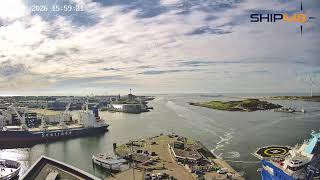
The village is home to two national institutes: the Royal Dutch Institute for Maritime Research and Alterra, formerly known as the Institute for Woodland and Rural Environment Research. Since 1962, boats to Texel have docked at 't Horntje, very close to Den Hoorn, making it a hub for maritime research and island access.
The church bells date from the fifteenth century but were removed during the Second World War and shipped to Germany. The ship sank near Urk, but the bells were salvaged after the war and returned to the tower. In 2008, the three signal beacons were replaced by a modern tri-colour signalling device featuring oscillating lights.
 The EARF Engine