









Live stream unavailable
This camera is offline or temporarily unavailable. It may be under maintenance, having technical trouble, or it may have been removed by the provider. Listings are monitored continuously and this page updates when the stream returns.


Gustaf III Airport
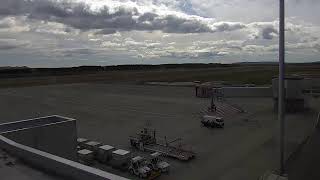
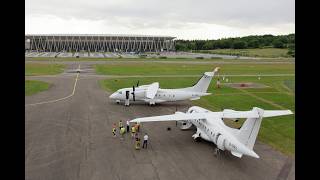
Gustaf III Airport is the primary air gateway to Saint Barthélemy and is internationally renowned for its short runway and dramatic hillside approaches. Located just outside Gustavia, the airport handles regional turboprop traffic linking St Barths with nearby Caribbean hubs including St Maarten and Guadeloupe. This ground-level live webcam delivers close-up views of aircraft arrivals, departures, and taxi movements at one of the world’s most iconic airports. Watch pilots touch down just meters from the beach before rolling past parked aircraft and terminal facilities, offering aviation fans an intimate perspective of daily operations at SBH.
Saint-Jean, Saint Barthélemy
 BL
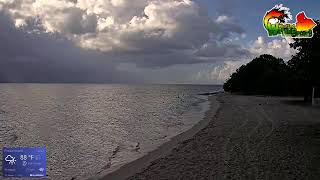
BL- Saint-Jean Beach
- St Jean
- Baie de Saint-Jean
Saint-Jean is the capital and largest commune of Saint Barthélemy, a French overseas collectivity in the Caribbean. Located on the island’s north coast, it serves as the administrative and cultural hub of the territory, situated approximately 30 kilometers northeast of the island’s highest point, Mont de la Selle. As of the 2017 census, the commune had a population of 4,627, reflecting its role as a central settlement in the region.
The town’s layout is characterized by a mix of colonial-era architecture and modern infrastructure, with the main square, Place de l’Église, anchoring its historic core. The commune is home to the Church of Saint-Jean-Baptiste, a 17th-century structure that stands as a symbol of the island’s religious and historical heritage. Its harbor, one of the few natural inlets on Saint Barthélemy, has historically facilitated maritime trade and remains a focal point for local commerce and tourism.
Saint-Jean’s economy relies heavily on tourism, with its beaches, upscale resorts, and proximity to the island’s natural attractions drawing visitors annually. The town also hosts the annual Fête de la Mer, a celebration of maritime culture and local traditions. Saint-Jean’s significance extends to its role as a political and economic center within Saint Barthélemy, which attained autonomy in 2003.
The commune’s strategic location and infrastructure support the island’s governance, including the seat of the territorial government. Its cultural diversity reflects the island’s complex history, shaped by indigenous, European, and African influences. While Saint-Jean lacks the natural harbors of neighboring islands, its preserved historic district and vibrant community life underscore its enduring importance in the territory’s identity.
 The EARF Engine