
Bridgnorth, England, United Kingdom
 GB
GB- Bridgnorth, Shropshire
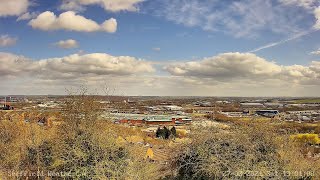
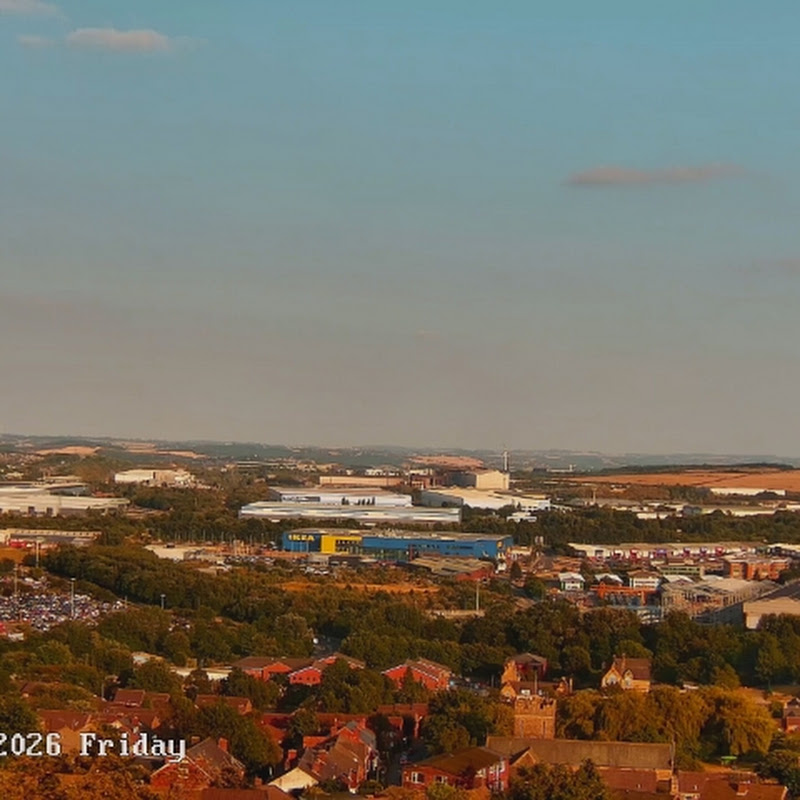
Bridgnorth is a historic market town and civil parish situated in Shropshire, England, within the United Kingdom. It lies in the Severn Valley, where the River Severn passes through a relatively narrow valley with largely wooded slopes. The river divides the settlement into two distinct levels: High Town on the west bank and Low Town on the east bank. This geographical arrangement creates a unique topography, with High Town built on a notable promontory at an elevation of 65–68 metres, while Low Town sits on lower-lying ground at 32–33 metres above sea level.
The town derives its name from a bridge over the River Severn, which was constructed further north than an earlier bridge at Quatford. The earliest historical reference dates to 895, when Danes created a camp at Cwatbridge, followed by Æthelflæd constructing a mound in 912. The modern town was established in 1101 when Robert of Bellême moved from Quatford, building a castle and church. It became a royal borough in 1102 and received various charters granting privileges such as toll freedom and fair rights. During the Civil War, it served as a Royalist stronghold until Cromwell’s forces besieged and demolished the castle in 1646.
The town is defined by its two-tier structure and significant heritage sites. The Castle Hill Railway, the steepest inland funicular railway in England, links High and Low Towns. High Town features the ruins of Bridgnorth Castle, whose keep leans at a 15-degree angle, and prominent churches including St Mary Magdalene, designed by Thomas Telford. Other landmarks include the 17th-century half-timbered Town Hall, the Northgate Museum, and Bishop Percy's House. The civil parish also includes the villages of Danesford, Oldbury, and Quatford.
Cultural attractions include the Theatre on the Steps, the Majestic cinema, and the Bridgnorth Sinfonia orchestra. The Northgate Museum holds local artefacts and was the first independent museum in Shropshire accredited by the Museums, Libraries and Archives Council. The town hosts a Saturday morning market on the High Street and is home to Daniel's Mill, an operational watermill with the largest cast-iron waterwheel in England. Bridgnorth was twinned with Thiers, France, in 1978, and Schrobenhausen, Germany, in 1992, and achieved Fairtrade Town status in 2005.
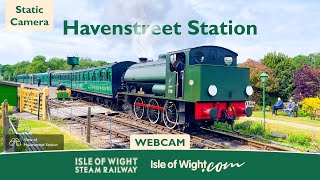
The population of Bridgnorth was recorded as 11,853 in 2021. The local economy benefits from tourism driven by its historic architecture and the Severn Valley Railway, a preserved steam line running to Kidderminster. Transport access is supported by bus routes connecting to Telford, Shrewsbury, and Wolverhampton, while the nearest National Rail stations are in those nearby towns. The town’s central position and rural location have historically made it significant, and it remains a key destination for visitors exploring the West Midlands Green Belt.
 The EARF Engine