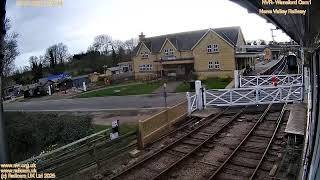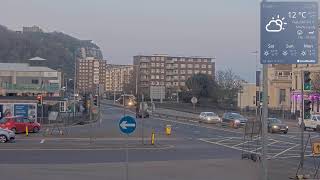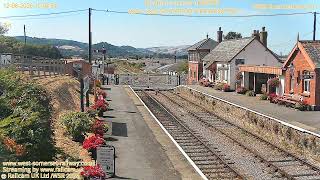











Seaton, England, United Kingdom
 GB
GB- Seaton, Devon
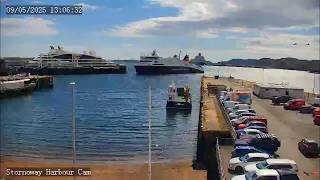
Seaton is a seaside town, fishing harbour, and civil parish located in East Devon on the south coast of England. Situated between Axmouth to the east and Beer to the west, it faces onto Lyme Bay and forms part of the Jurassic Coast, a designated World Heritage Site. The settlement occupies a position on the River Axe estuary, characterized by coastal cliffs and a sea wall that provides access to a mostly shingle beach stretching approximately one mile along the shoreline.
A farming community existed in the area 4,000 years before the Romans arrived, with Iron Age forts nearby. During Roman times, Seaton served as an important port, though its remains were later reburied for preservation. In Saxon times, it was known as Fluta or Fleet, and a town of Fleet was founded by Saxon Charter in 1005 AD. The first mention of Seaton appeared in a papal bull by Pope Eugene III in 1146, marking its early historical documentation.
The town developed significantly as an important port supplying ships for Edward I's wars before heavy storms in the 14th century partially blocked the estuary. A sea wall and small harbour define the coastal access, while notable architecture includes Victorian buildings and a collection of large houses at Seaton Hole. The church on the edge of town was built in the 14th century with a squat tower from the 15th century, and Seaton Town Hall, now a theatre, was completed in 1904.
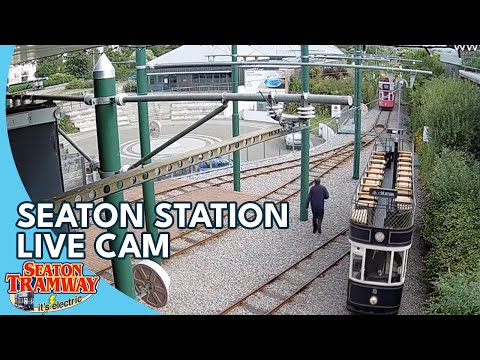
Seaton transformed into a holiday resort in the 19th century, a role it maintains today. Visitors are drawn to attractions such as the Seaton Tramway, which runs along the Axe estuary, and the Jurassic Coast Discovery Centre, completed in 2016. The area is rich in wildlife, including the Seaton Wetlands nature reserves, and hosts events like the Seaton Carnival. Local dining options include fish and chip shops and Mediterranean cuisine.
At the 2021 census, the parish had a population of 7,688 people in 3,874 households. The economy has seen growth through redevelopment of business sites and non-seasonal employment since 2010. Transport access includes the nearest railway station at Axminster, seven miles away, and bus services by Axe Valley Mini Travel. The town is also on route 2 of the National Cycle Network, facilitating regional connectivity.
 The EARF Engine













![[公式]スターキャット thumbnail](https://yt3.ggpht.com/HctH3nbthpSnqkSmip0mKd58sfF8jrSu-3nQQPGjNXZrZ6-M1aWifq38wUMqEBgM31B8Qz08=s800-c-k-c0x00ffffff-no-rj)