








Live stream unavailable
This camera is offline or temporarily unavailable. It may be under maintenance, having technical trouble, or it may have been removed by the provider. Listings are monitored continuously and this page updates when the stream returns.


White Storks at Knepp
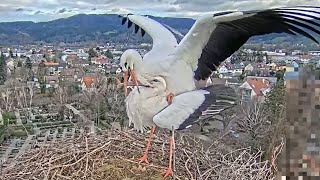
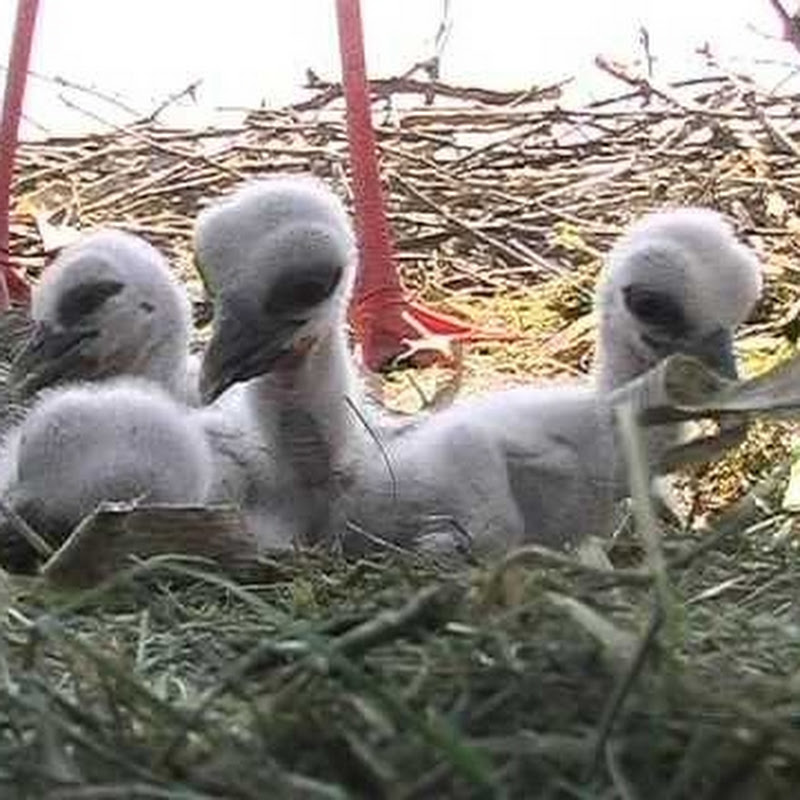
This live wildlife webcam follows a nest of White Storks at Knepp Estate in West Sussex, England. Part of one of the United Kingdom's most celebrated rewilding projects, Knepp has become a thriving habitat where these magnificent birds have returned to breed after centuries of absence from the British landscape. Watch the storks as they build and maintain their impressive nest, care for their chicks during the breeding season, and interact with one another throughout the day. Their long legs, striking white plumage, and distinctive black wing feathers make them one of Europe's most recognisable bird species. Whether the adults are arriving with nesting material, feeding their young, or taking flight across the surrounding countryside, this live webcam offers a fascinating glimpse into the daily lives of White Storks and the success of wildlife restoration at Knepp Estate.
Knepp Estate, England, United Kingdom
 GB
GB- Knepp Wildland Estate
- Knepp Estate Wildlife Reserve
The Knepp Estate is a large conservation project located in West Sussex, England, United Kingdom. It spans over 850 acres of land, featuring a mix of woodland, grassland, and wetland habitats. The estate is situated near the village of West Grinstead.
The Knepp Estate is known for its pioneering rewilding efforts, which began in the early 2000s. The project involves minimal human intervention, allowing natural processes to shape the landscape and promote biodiversity. This approach has led to the reintroduction of various species, including the European otter, beaver, and white-tailed eagle.
The estate's diverse landscape and wildlife have made it a popular destination for nature enthusiasts and researchers. Knepp Estate is home to a variety of flora and fauna, including many rare and endangered species. The site also features several walking trails, allowing visitors to explore and appreciate its natural beauty.
The Knepp Estate is managed by the Knepp Wildland Foundation, a charitable organization dedicated to conservation and education. The estate serves as an example of innovative conservation practices and provides opportunities for scientific research and environmental education.
 The EARF Engine