










Yerevan-Sevan Highway
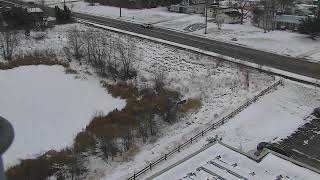
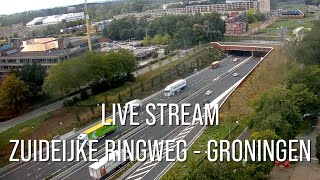
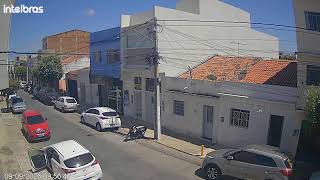
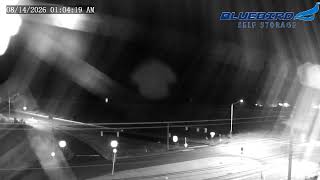
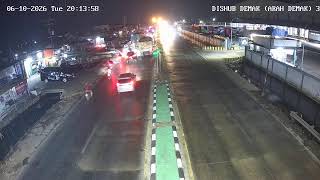
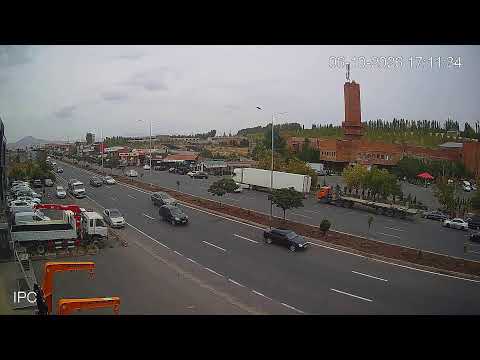
This live camera overlooks the area around Northern Bus Station, positioned along Sevan Highway, one of the main routes leading out of Yerevan toward the country’s northern regions. From this vantage point, the camera captures a constant flow of traffic heading toward destinations such as Lake Sevan, as well as Dilijan and Ijevan, making it a key gateway between the capital and Armenia’s scenic highlands. Installed as a public 24/7 PTZ camera, the stream offers a dynamic view of the surrounding area, including nearby rooftops, roadside activity, and the busy highway filled with cars, buses and traditional marshrutkas. By day, it provides a clear look at traffic conditions and daily movement, while at night the scene transforms with city lights illuminating the road and skyline.
Yerevan, Armenia
 AM
AM- Erivan
- The Pink City
- Iravan
Yerevan serves as the capital and largest city of Armenia, functioning as the nation's administrative, cultural, and industrial center. Situated along the Hrazdan River on the Ararat Plain, it is one of the world's oldest continuously inhabited cities. As a primate city, Yerevan holds significant political weight, having been the capital since 1918 and the seat of the Araratian Pontifical Diocese of the Armenian Apostolic Church.
The city's history dates to the 8th century BC with the founding of the Erebuni fortress by King Argishti I in 782 BC. It declined during the late ancient Armenian Kingdom period but was repopulated after the Russian Empire annexed it in 1828. Following World War I, Yerevan became the capital of the First Republic of Armenia and later expanded rapidly as part of the Soviet Union, transforming from a provincial town into a principal cultural hub.
Central Yerevan features early Soviet architecture characterized by pink tufa stone, earning it the nickname The Pink City. The city center follows a grid within a circular road plan, with key districts including Kentron, which houses Republic Square and the Opera district. Notable landmarks include the Erebuni Fortress ruins, Tsitsernakaberd genocide memorial, Saint Gregory Cathedral, and the Matenadaran manuscript repository.
Yerevan offers diverse cultural institutions, including the National Gallery of Armenia, the History Museum, and several opera houses and theaters. The city was named the 2012 World Book Capital by UNESCO and is an associate member of Eurocities. Visitors are drawn to its compact, walkable center, which contains endless dining options, street cafés, and a mix of Belle Epoque and Soviet-era architecture.
The population of Yerevan was recorded at 1,106,300 as of 2024, representing a significant portion of the country's total inhabitants. The economy has grown significantly since the early 2000s, leading to major construction and an increase in retail outlets. As the primary transport and economic hub, it connects travelers to the broader region, with its location on the Ararat Plain influencing its historical and strategic importance.
 The EARF Engine