

Avenida Atlântica
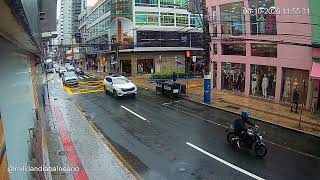
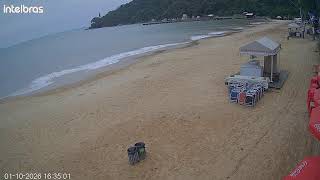
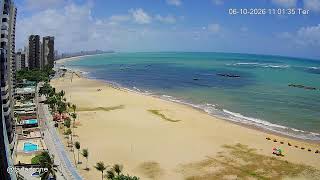
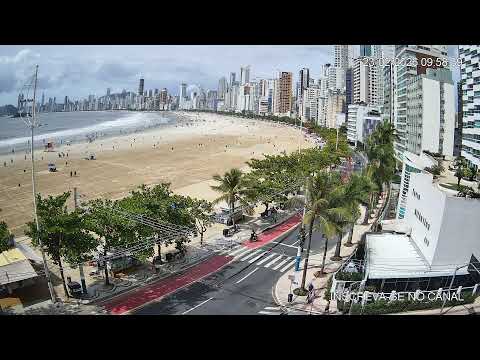
This live camera overlooks Avenida Atlântica, the prominent beachfront avenue running along the coastline of Balneário Camboriú, Santa Catarina, Brazil. The avenue follows Praia Central and is lined with high-rise hotels, residential towers, restaurants, shops and leisure facilities, making it one of the most recognisable parts of the city. Balneário Camboriú is a major coastal destination in southern Brazil, known for its dense skyline, sandy beaches and lively waterfront. Avenida Atlântica provides views across Praia Central and the Atlantic Ocean while placing the city's distinctive urban landscape directly alongside the beach.
Balneário Camboriú, Santa Catarina, Brazil
 BR
BR- Balneario de Camboriu
Balneário Camboriú is a coastal city located in the southern Brazilian state of Santa Catarina. Built on steep hills that drop directly to the sea, it serves as a significant tourist destination for South Americans. The municipality is situated 10 kilometers south of Itajaí, 96 kilometers south of Joinville, and 80 kilometers north of the state capital, Florianópolis. Its geography is defined by the Camboriú River to the west, which joins the ocean at the southern edge of the city center.
The region was first inhabited by indigenous Tupi-Guaraní tribes before European settlement began in 1758 when families from Porto Belo established a site called Our Lady of Bon Sucesso. Early settlers included Baltasar Pinto Corrêa from the Azores and groups of Germans seeking fertile land. The area became a district of Itajaí in 1848 before detaching in 1884. It gained autonomy in 1964 under the name Balneário de Camboriú, which was amended to its current form in 1979.
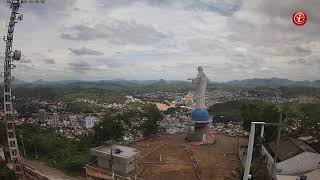
The city is famous for its high density of skyscrapers and affluent tourism, earning it the nickname the Brazilian Dubai. Notable landmarks include the Cristo Luz statue atop Morro da Cruz, which stands 33 meters tall and features a spotlight housed in a symbolic hat. The city also boasts a unique beach-to-beach cable car linking the central beach with Laranjeiras Beach. Other sights include Parque Unipraias, which preserves Atlantic Woods, and the Capela de Santo Amaro, built in 1810.
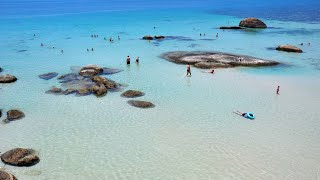
Balneário Camboriú is recognized as Brazil's capital of electronic music, a status highlighted by Forbes magazine in 2012. Visitors are drawn to its main ocean boulevard, Avenida Atlântica, and various beaches including the officially designated nudist beach at Pinho. The city offers pirate ship tours around Ilha das Cabras and access to Parque Cyro Gevaerd, which houses an aquarium and museums. The cultural appeal is bolstered by its status as a resort city with a vibrant nightlife and tourist infrastructure.
The population was 151,674 as of 2025, swelling to over one million during the summer season due to tourism. The economy is dominated by residential real estate, with beachfront prices reaching US$10,000 per square meter. Access is primarily via the BR-101 state road or Ministro Victor Konder International Airport in Navegantes. The climate is humid subtropical with mild winters and hot summers, making February and March the best months for beach activities.
 The EARF Engine